
January 21, 2025 in Forum
How Big Data Can Make (or Break) Your Online Shopping
SHARE: PRINT ARTICLE: https://doi.org/10.1287/orms.2025.01.01
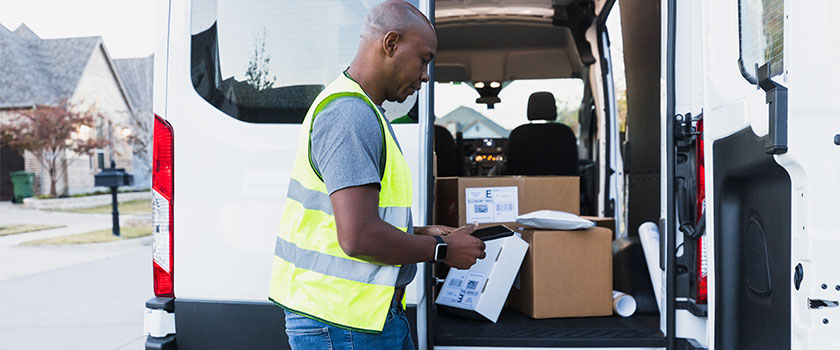
When it comes to online shopping, nothing is more frustrating than waiting for your online order to arrive … and it’s late. Whether it’s the hot new tech gadget or your favorite brand of athletic shoes, consumers expect their orders to arrive on time. Some might call this magic, but in the real world, it’s called big data.
The modern supply chain, which gets products from manufacturers to your door, is much more complicated than most people realize. And it gets more complicated during peak shopping seasons when demand is highest and deadlines are uncompromising.
Behind every online purchase is an intricate web of decisions based on huge amounts of data – from sales trends and inventory levels to delivery times and market shifts. Today, thanks to artificial intelligence (AI) and real-time tracking, big data is transforming the way companies predict, plan and deliver online orders faster than ever.
Lessons from the Pandemic
During the COVID-19 pandemic when lockdowns forced millions to work from home, delivery systems had to quickly adapt. In the past, most deliveries were focused on large office buildings, where multiple packages could be dropped off at a single stop. But now, with workers spread across the country, from suburbs to small towns to big-city apartments, drivers have had to make many more stops – each with just a few packages. That might sound like a small change, but it exposed a huge inefficiency in last-mile delivery.
The demand for deliveries was greater than the time drivers had to complete their routes, leaving many customers wondering where their packages were.
Here’s how big data stepped in to save the day. By using real-time data to analyze delivery patterns, retailers and delivery companies could optimize routes, predict delivery times and even adjust schedules. Data-driven insights allowed businesses to quickly adapt to the changes in demand, helping to keep deliveries on track even during a global crisis.
Enter Gig Economy
In fact, right now, big data is paving the way for even smarter delivery systems. One of the biggest game changers has been the rise of gig economy platforms such as Uber and Lyft, which have been tapped to help with deliveries. Using sophisticated algorithms, companies can now plan out the most efficient delivery routes, combining the efforts of traditional drivers with on-demand drivers from these platforms. This collaboration allows businesses to cut costs, speed up delivery times and handle an influx of orders without missing a beat.
Let’s say a retailer needs to get packages to a suburban neighborhood with scattered delivery points. Rather than relying on a single delivery driver to cover the whole area, the company can use big data to identify the best mix of traditional drivers and gig workers to take on different portions of the route. By doing so, they maximize efficiency and ensure that every customer gets their order on time.
So why should we care? Because understanding how the system works helps us better manage our own expectations and plans.
The next time you order something online, you’re benefiting from an intricate system that combines data, technology and logistics to make sure that package shows up when you expect it. It’s easy to take fast delivery for granted, but in reality, the process behind it is becoming more efficient – and more complex –every day.
For businesses, big data isn’t just a tool – it’s a game changer allowing them to predict demand, quickly respond to changes and ultimately keep customers satisfied. For the consumer, it means less waiting and the possibility of getting more necessities and wants delivered right to their door.
In short, big data isn’t just about numbers; it’s about making sure online orders throughout the year arrive when they’re supposed to. And the better we understand the data, the more we’ll reduce the risk of late arrivals or inefficient routes.
Debdatta Sinha Roy, Ph.D., is a principal research scientist in Operations Research and Data Science at Oracle Retail Data Science R&D.