March 3, 2025 in INFORMS Ambassadors
WELL INFORMED
Increasing wellness capacity and community within the Ph.D. process
SHARE: PRINT ARTICLE: https://doi.org/10.1287/orms.2025.01.06
Wellness and self-care are recognized as essential parts of optimal health and well-being. Creative interventions, seminars and more are being incorporated into every system (corporate, nonprofit, private practice and industry) to promote wellness. This movement is slowly being integrated into the academic setting. Wellness should be considered more than the latest trend; it should be seen as a tool that prevents nonproductivity, self-sabotage or conflict with self and others. Wellness is integral to success and resiliency in any organization setting. The need for education, creative interventions and social support in academia is vital for the success of all students and professors.
Pursuing a doctoral degree can be both rewarding and challenging. Traditionally, the Ph.D. process is one of navigating rigorous course loads; unrealistic expectations imposed by family, advisors and self; and moments of intense stress. Many students feel overextended, isolated and unsupported, which produces a rise in mental stress/illness, identity issues, self-neglect and physical harm [1]. This can result in choosing unconventional ways to cope, such as binge eating, drugs, alcohol and even excessive use of energy drinks to complete assignments. For students in underrepresented groups, the journey can be more complex because of the unique stressors they may face. These students may encounter specific issues because of cultural, racial or gender bias that require targeted support and resources.
The sentiment in academic settings is that this level of intensity is “just how the process goes,” and students are to level up, push through and get it done. This “resilience” is regarded as hard work and a sign that students are committed to the program – but at what expense? This cycle of self-sacrifice often continues past graduation and can be seen in new professors. Depending on the institution, the stressors of a professor with diverse backgrounds extend beyond the political bureaucracy that plagues institutions of higher learning. Additional triggers can present in forms of isolation, no boundaries, overextending, lower pay, etc. These can impact how one teaches and learns. For a student to be fully effective in the area(s) of career choice and purpose, a balanced wellness approach is needed. This article aims to shed light on the importance of wellness and community in the doctoral student process by highlighting “WELL INFORMED,” a project sponsored through the INFORMS Ambassador program.
Unique Challenges Faced by Doctoral Students
Students may experience challenges in the following areas as they navigate the Ph.D. process:
- Racial and Cultural Stressors – Some doctoral students may experience racial and cultural stressors that their peers from other racial and ethnic backgrounds do not face. Microaggressions, discrimination and the pressure to represent their community can all contribute to increased stress and anxiety. These stressors can impact their mental and emotional well-being and may affect their academic performance and progress.
- Navigation of Academia – Academia often has its own set of unwritten rules, norms and expectations. Doctoral students may face challenges in navigating these dynamics, which can lead to feelings of isolation, imposter syndrome and burnout. Additionally, the lack of diversity and representation in academic settings can contribute to feelings of exclusion and marginalization.
- Financial Strain – Many Ph.D. programs require students to forgo full-time employment to focus on their studies, which can result in financial strain. If a student chooses to work, it is often frowned upon and might have a negative impact on the student’s ability to progress in the program.
- Health/Mental Health Triggers – As students go through Ph.D. programs, they begin to realize the mental and emotional stressors that can plague them throughout the process. The triggers can leave students emotionally paralyzed and unable to move forward in the process. They may also experience a physical health decline because they are putting their academic work over their own well-being [1]. As a result, many students may not know where to find, or do not feel comfortable accessing, various resources that may be helpful.
Importance of Wellness for Doctoral Students
In the advanced degree space across many disciplines, inclusive of the social sciences and operations research and management sciences (OR/MS), stress and trauma are universal. Prioritizing wellness can help students maintain their physical, mental and emotional health, thereby enhancing their academic performance, resilience and overall well-being. Sessions and community groups that promote physical, mental, emotional and social wellness coupled with academic support should be prioritized.
Sisters Scholars was created to provide a safe space for ALL students who need a “prayer,” a “push” and a sense of community to finish their Ph.D. Through an annual retreat and ongoing coaching, the organization provides educational support and wellness strategies throughout one’s program so that students can progress through the Ph.D. journey and obtain their degree with dignity, success and a clean bill of mental health.
INFORMS Ambassador Project
The 2023 INFORMS DEI Ambassador program allowed an extension of these efforts to Ph.D. students within INFORMS. The goal of the project was to increase wellness capacity and cultivate a community for underrepresented students in OR/MS Ph.D. programs.
Increase wellness. Maintaining a healthy lifestyle through regular exercise, nutritious food and adequate sleep is essential for physical wellness. Physical activity can also help reduce stress, improve mood and boost energy levels. Practicing mindfulness, meditation and stress-reduction techniques can help diverse Ph.D. students manage the mental and emotional challenges they may encounter. Seeking counseling or therapy can also provide valuable support and coping strategies.
Cultivate community. Building a strong support network of peers, mentors and advisors who understand and empathize with their experiences helps students feel more connected and supported. Engaging in social activities and maintaining relationships outside of academia also contribute to social wellness and capacity.
Our team used three components to help students develop a healthier mindset:
- Component 1: Expand the Ph.D. student’s community of support through social media. Students were able to connect to other students and mentors through the @SistersScholars Instagram account.
- Component 2: Increase the Ph.D. student’s mental health and wellness capacity. Students were provided various opportunities to learn new wellness techniques and skills that promote self-care, coping, release of negative beliefs, overcoming imposter syndrome and building internal drive to move forward through the Ph.D. process while navigating roadblocks and pitfalls.
- Component 3: Advance the Ph.D. student’s professional development networking through seminars and collaboration among participants.
Monthly Wellness Sessions
We engaged the students through monthly Zoom sessions that encouraged students to do the following:
- Get connected: Join support groups, mentorship programs and affinity groups that provide a sense of community, belonging and validation. These spaces offer opportunities to share experiences, strategies and resources for navigating the challenges of doctoral studies.
- Prioritize self-care: Wellness includes boundary setting, which may also include setting aside dedicated time for rest and relaxation, establishing clear communication with advisors and peers about academic and personal needs, and learning to say “no” when necessary.
- Resource map: Many universities offer a variety of resources and services to support student wellness, including counseling and mental health services, wellness programs and academic support services. Students should take advantage of these resources to ensure they have the support they need to succeed. If this information cannot be found on campus, research or ask others and connect with outside resources.
| April |
Cultivating Resilience: Building Mental and Emotional Strength during the Doctoral Process |
| May |
Eating for Energy: Nutrition Tips for Graduate Students |
| June |
Check-in: Setting Boundaries: Tips for Saying No and Prioritizing Self-Care |
| July |
From Burnout to Balance: How to Manage Overwhelm during the Doctoral Process |
| August |
Building Support Networks: The Importance of Social Connections during Graduate School |
| September |
Check-in: Graduate School and Mental Health: Resources and Support for Students |
| October |
Ph.D. Wellness Retreat and INFORMS Annual Meeting |
| November |
Developing Self-Care Routine: Strategies for Doctoral Students |
| December |
Check-in Special Session |
Coaching Calls
In addition to monthly sessions, we provided individualized calls for mental health check-ins as well as dissertation/process coaching. These calls were open-ended and could be scheduled any time a student needed additional support in any area (academic or nonacademic).
Mini Wellness Retreat
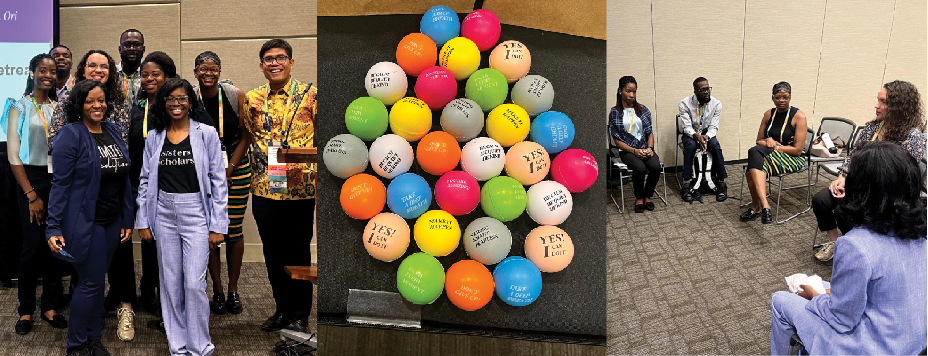
We were also able to provide an in-person mini wellness retreat at the 2023 INFORMS Annual Meeting in Phoenix, Arizona. The session was open to all students who are a part of the INFORMS community as well as the enrolled WELL-INFORMED students. We transformed the conference room into a therapeutic atmosphere, with healing sounds, circle time, deep breathing exercises and moments to reflect and get affirmation and reassurance. This safe space connected both doctoral students and facilitators with commonalties of imposter syndrome, stress and isolation, as well as reminders of hope, strength, resilience and tools needed to continue in the process.
A Few Student/Participant Reflections
“Overall, I had a wonderful experience. I was able to have a community to relate with. People who had my kind of struggle, learning how they were coping with them and even from the moderators who have had those experiences. The big takeaway was realizing how my eating pattern was impacting my energy for work. Helping direct me to healthier options. I also enjoyed the one-on-one; I was able to air out what I was going through, for me that meant a lot. The monthly meeting gave me a time to reflect, making me think of how accountable I have been all month.”
“It is comforting to know that the struggles I face as a Ph.D. student are not unique to me, but a common path threaded and successfully conquered by others. The Well-Informed Ph.D. program has provided a safe space among peers and seasoned experts to be vulnerable and recharge. I now know that yes, ‘I can do this!’”
“The Mini Wellness Retreat needs to be offered for students every year at INFORMS Annual Meeting!”
Conclusion
Pursuing a doctoral degree is a challenging and rewarding journey that requires a strong focus on wellness and self-care. For many Ph.D. students, the path to earning the degree may be complicated by unique challenges and stressors related to racial and cultural identity, navigating academia, financial strain and health/mental health concerns. By prioritizing wellness and implementing strategies to support their physical, mental and emotional well-being, Ph.D. students can enhance their resilience, academic performance and overall quality of life.
Universities and academic institutions also have a role to play in supporting the wellness of doctoral students by providing resources, creating supportive environments and advocating for institutional change. By working together, we can ensure that doctoral students have the support and resources they need to thrive and succeed in their academic and professional pursuits.
A Moment of Reflection
If you have completed the doctoral process, consider your personal journey. What are some resources or words you could have used to ease the stress and anxiety? Are you still feeling the triggers of the process? Have your wounds fully healed? Being well informed with increased wellness techniques, the capacity to cope and a community that understands helps to heal the past and strengthen the future so that the process will not hinder your purpose.
Affirm now: My completion was strategic and for an objective higher than obtaining the degree. I release the trauma of the process and walk boldly into purpose.
Congratulations to all the Ph.D.s – present and future. Be well.
For more information on Sisters Scholars or the next wellness retreat, email [email protected].
Reference
- Gallea, J.I., Medrano, L.A. and Morera, L.P., 2021, “Work-Related Mental Health Issues in Graduate Student Population,” Frontiers in Neuroscience, Vol. 15, https://doi.org/10.3389/fnins.2021.593562.
Jessye Talley, Ph.D., is an associate professor in the Department of Industrial and Systems Engineering at Morgan State University and a dedicated member of INFORMS. She co-founded Sisters Scholars, an organization dedicated to the health, wellness and completion of doctoral student programs from various backgrounds. Orissa Massey, Ph.D., is an Integrative Wellness and Program Management Specialist. She co-founded Sisters Scholars, an organization dedicated to the health, wellness and completion of doctoral student programs from various backgrounds.
([email protected])