


December 22, 2025 in Member Insights
Navigating the Intersection: A Data Scientist’s Perspective on Industry-Academic Partnerships
SHARE: PRINT ARTICLE: https://doi.org/10.1287/orms.2025.04.18
This Q&A features an interview with Raghad Alkhawaldeh, who holds a Ph.D. in industrial and systems engineering from Binghamton University. With a robust academic foundation, Raghad’s dissertation focused on innovative approaches to handle missing data in healthcare machine learning models and how that impacts moving models from theory to practice, showcasing her commitment to impactful research. She has several years of experience in data science, significantly contributing to various fields, including healthcare, logistics and consumer goods. Currently serving as a senior data scientist at Procter & Gamble, Raghad is a leader of integrating artificial intelligence (AI) and machine learning to revolutionize consumer engagement and optimize marketing strategies. Her previous roles include leading data science projects at ChristianaCare Health Systems, where she improved patient care metrics through advanced predictive modeling. Raghad is passionate about mentoring the next generation of data professionals, actively engaging with students through her involvement in various speaking engagements at different universities. This interview dives into her career journey, insights on the data science landscape and advice for early-career professionals eager to make their mark in this dynamic field.
To start off, can you share some of the internships or research assistantships you have completed in the past? Was there one that stood out as particularly crucial to your career development?
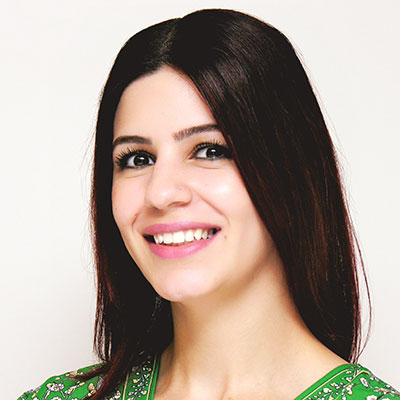 Raghad Alkhawaldeh: Thank you for having me! Throughout my academic journey, I have had several internships and research assistantships that have shaped my professional path. One that stands out is my experience at ChristianaCare Health Systems, where I served as data scientist. At the time, I was studying for my Ph.D. (first year) in industrial and systems engineering. This role was pivotal because it gave me the opportunity to collaborate with individuals with varying professional backgrounds, and it allowed me to apply and enhance my technical skills in a real-world setting, working directly to improve patient care through data science.
Can you elaborate on your experience at ChristianaCare and the projects you worked on there?
Raghad: Certainly! At ChristianaCare, I was involved in various projects aimed at enhancing patient outcomes through predictive modeling and data analytics. I was a team member of the Organizational Excellence department, and I collaborated with cross-functional teams to solve problems. A significant project I led was the development of a predictive model to reduce hospital readmissions for oncology patients. The goal was to proactively identify high-risk patients before their discharge and implement targeted interventions to mitigate readmission rates.
What inspired this project, and what were the main objectives?
Raghad: The main inspiration came from recognizing that readmissions are not only costly for the healthcare system but also distressing for patients and their families. The project aimed to enhance discharge planning and ensure a smooth transition from inpatient to outpatient care. By identifying high-risk patients, we could prioritize their needs and improve communication within the care team.
Can you tell us about the team that worked on this project and how you collaborated to achieve the project goals?
Raghad: Absolutely! The project was a collaborative effort involving a multidisciplinary team of oncology clinicians, data scientists and performance improvement experts. Each member brought unique expertise to the table, which was essential for the project’s success. We held regular meetings to discuss data analysis results, share insights and refine our approach. Through our collaboration, we successfully developed and implemented the predictive model, which led to a reduction in readmission rates – from 34% to 24% for the overall patient population and from 45% to 29% for high-risk patients. Additionally, we improved communication strategies and discharge planning, which was crucial in ensuring that patients received the support they needed post discharge.
It seems that the collaboration between data scientists and healthcare professionals was crucial. How did this collaboration benefit both the hospital and your professional development?
Raghad: Absolutely, collaboration was key. For the hospital, utilizing data science techniques translated into identifying high-risk patients ahead of time to intervene and avoid readmissions, when possible, and it also resulted in efficient resource allocation and improved patient outcomes. Additionally, the clinicians on my team became familiar with how predictive models work, which helped them feel more comfortable discussing technical metrics such as confusion matrix metrics. For example, we would analyze false negatives together and ask questions like, “How can we better predict these patients next time?” This collaborative environment fostered a deeper understanding of the model’s implications on patient care.
For me, it was an invaluable learning experience. I gained practical skills in applying theoretical concepts to real-world challenges. I enriched my experience in team leading and collaborating with multidisciplinary teams and, most importantly, gained the skill of interpreting machine learning models to nontechnical audiences. I also had the opportunity to mentor graduate student interns, which enhanced my leadership skills and deepened my understanding of the field.
What were some key learnings from this project?
Raghad: One of the most significant lessons was the importance of thinking beyond just model building. As a junior data scientist, I learned how to transition a model into operational use and integrate it into the workflows of clinicians. This aspect of implementation and change management is something I didn’t fully grasp in grad school. Understanding the nuances of clinical workflows and how to ensure that a predictive model is effectively used in practice was crucial for the success of our project.
You mentioned that you mentored students as well. How did mentoring others influence your own learning and work experience?
Raghad: Mentoring helped reinforce my knowledge. Explaining complex concepts to interns required me to clarify my own understanding. Moreover, seeing their fresh perspectives on data analysis and problem-solving was energizing. It fostered a collaborative environment where ideas could be exchanged freely, leading to innovative solutions.
Looking back, how do you think this experience influenced your future career?
Raghad: This experience solidified my passion for applying data science in various fields. It has equipped me with the skills to bridge the gap between technical analysis and real-world applications. As I move forward in my career, I aim to continue leveraging data science to solve complex problems and drive innovation across diverse industries.
Do you have any advice for business leaders considering industrial-academic collaborations?
Raghad: Absolutely! I would advise business leaders to actively seek partnerships with academic institutions; these collaborations can foster innovation and bring fresh perspectives to problem-solving. It’s essential to establish clear communication channels and shared goals between both parties to ensure that the collaboration is mutually beneficial. Engaging with academic researchers can provide access to cutting-edge methodologies and insights that can enhance business strategies and operations. Additionally, these collaborations can serve as a valuable recruitment tool, potentially leading to the hiring of the perfect candidate for a position, because businesses can identify and evaluate talented individuals while they are still in an academic setting.
Finally, what advice would you give to graduate students considering similar industrial-academic collaborations?
Raghad: I encourage them to seek out opportunities that align with their passions. Engaging with industry can provide practical insights that enhance academic research. Building strong relationships with professionals in the field can lead to collaborative projects that are mutually beneficial. Always be open to learning and adapting; the intersection of academia and industry is a dynamic space full of opportunities.
Thank you so much for sharing your experiences and insights, Raghad. Your work at ChristianaCare is a great example of how data science can make a tangible difference in healthcare.
Raghad: Thank you! It’s been a pleasure discussing my journey and the impact of industry-academia collaboration.
SHARE: