September 9, 2018 in Network Design Decisions
Network Design Decisions: Strengthening global supply chains
Analytics technology can help supply chain teams prepare for a new era of trade tariffs, volatility and other threats.
SHARE: PRINT ARTICLE: https://doi.org/10.1287/LYTX.2018.05.12

Global supply chains are constantly at risk. Natural disasters, political instability, labor shortages … the list goes on. Leading companies are constantly evaluating how to respond to these disruptions, but only a few are really prepared to deal with the impact of trade warfare. With new import tariffs coming into effect in the United States and retaliatory measures on the rise, can companies sustain the competitiveness of their supply chain? Using prescriptive analytics technology can help.
Agile, Resilient Supply Chain Networks
In a recent interview with The Wall Street Journal, supply chain analyst Lora Cecere, founder and CEO of Supply Chain Insights, recounts how she hasn’t seen “this level of nervousness in the supply chain” in the past two decades. Bain & Co’s Peter Guarraia echoes this feeling in a Reuters article: “We are all over the place … A lot of our clients are asking, ‘How do we turn our supply chains from a necessary evil into a competitive weapon?’” There is no easy answer to that question, but building agility and resilienceinto supply chain networks is key.
Resilience is the ability to withstand change. Agility is the ability to respond rapidly. Forward-thinking supply chain leaders can become more agile and resilient by modeling potential future events, and having contingency plans ready for when disruptions occur.
Consider some examples:
- What happens if import tariffs are reversed? Should you make changes to your supply chain network based on the current reality of import tariffs? Or should you design your network to be able to flex between different import tariff regimes?
- What happens if one of your suppliers goes out of business? Are you prepared to find a new one or manufacture in-house? How will the change impact your pricing and margins?
- Can you gain a competitive edge during a disruption by having a plan in place to deal with it ahead of your competitors?
A supply chain network design technology that incorporates prescriptive analytics makes it easier to model the impact of these scenarios and create contingency plans. So what’s the problem? Most companies are still using spreadsheets to model their network.
Network Design Process
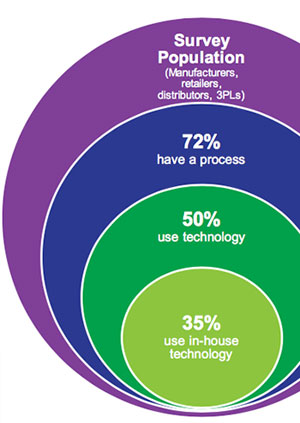
Research carried out by Supply Chain Insights and commissioned by AIMMS shows that 72 percent of companies have a network design process in place, with 35 percent of them using in-house technologies. However, only 19 percent of these respondents rate their process as very effective, and 65 percent of them are using spreadsheets to sustain the process.
Using spreadsheets is convenient, as they are inexpensive and familiar. But the more complex the network, the harder it is to make them work. Spreadsheets are practically never integrated with other systems. They are not updated automatically. The logic behind them is often only clear to those who create them, making collaboration difficult. Analyses are often slow given that you can only work with a certain amount of data and version control is hard. Not the ideal set up if you’re aiming to build agility and resilience.
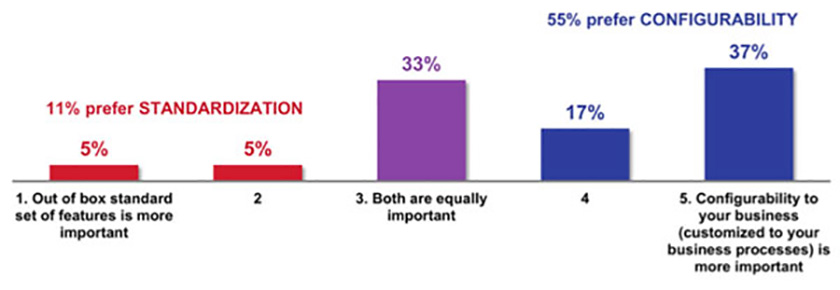
What about best of breed tools? Best of breed or “out of the box” technologies are next in line to spreadsheets, but several of these technologies can be too cumbersome, too slow and too expensive, especially when they are dependent on scarce and very specific resources. In many ways, these tools have not evolved much in the past decades. There are new features and a big increase in computing power, yet network optimization is still just a richer version of the 1990s experience. Out of the box often fails to accommodate the unique constraints faced by the business and isn’t rapid and agile enough to actually get out ahead of business change. That’s probably why 55 percent of respondents in the survey stated that they preferred configurability over standardization.
Pricing best of breed technologies leaves a lot to be desired as well. Some 84 percent of respondents in the same survey stated that they wanted an affordable network design solution, but only 54 percent said available tools meet their price expectation.
In other words, very few companies have the right tools to model the effect of trade risks and other disruptions.
What to Look for in Analytics Technology
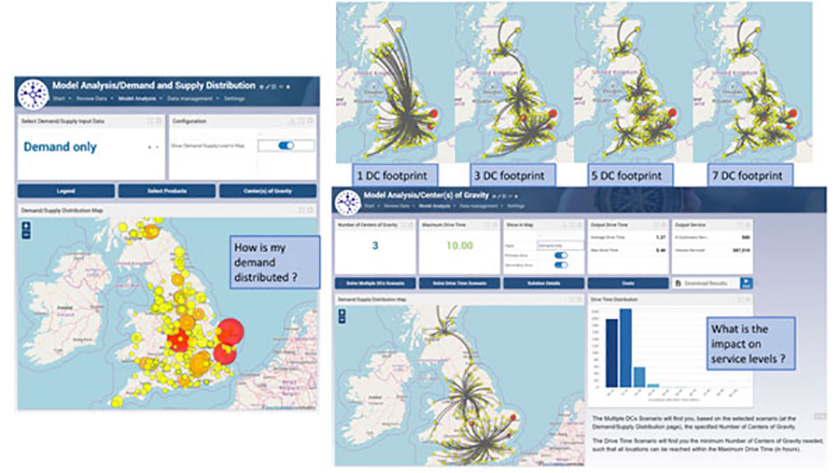
Companies need a technology that has a powerful analytics engine but is easy to use and easy to adapt to changing business requirements. As a best practice, supply chain teams should look for tools that:
- include prescriptive analytics capabilities which allow them to model their network, quickly and easily evaluate scenarios, and make contingency plans when things change or go wrong;
- provide access to the model logic, so they can understand what’s behind the answers;
- allow for data clarity and data sharing for other supply chain needs;
- do not require the constant intervention of specialists to run; and
- provide a realistic path to train and self-enable end (business) users.
Supply chain network design decisions involve hefty investments. With trade risks on the rise, investments and costs will only increase. Technology is only a piece of the puzzle, but it’s an important one. By embracing tools that help them prepare for uncertainty and react swiftly to change, supply chain teams will be better positioned to survive this new era of disruption.
Chris Gordon is VP and product lead for SC Navigator at AIMMS. He has worked in supply chain consulting and operations across Europe, the United States and India for more than 25 years.