

August 31, 2020 in Healthcare Analytics
Promise of Vaccines and Post-Pandemic Healthcare: What Changes are Expected?
SHARE: PRINT ARTICLE: https://doi.org/10.1287/LYTX.2020.05.06

More than five million cases. More than 165,000 dead. The nation has tried to move on despite the growing death counts and looming second wave in the fall. In a nutshell, that aptly describes the current state of affairs in the United States at this moment. While other developed nations have started to reopen their economies, schools and sports, cases rose at a rapid rate in the Sun Belt with Arizona, Texas, Florida and California leading the pack. Florida, Texas and Arizona had a few cases during March and April. Everything changed as Americans collectively dropped their guard, took victory laps before victory was achieved, and reopened or expanded economic activities regardless of the recommendations from the public health experts to act otherwise. After the Memorial Day weekend several embers started to flare-up, and in no time those became conflagrations with rapidly rising hospitalizations and death.
Insufficient Testing, Partisan Politics and Irrationality
Politicians played politics, prioritized optics over safety, and thought that the virus would miraculously disappear just like it did in Europe after the initial onslaught. Many politicians incorrectly said that the virus would lose its potency with the rising summer temperature. They ignored the fact that the European nations and some of the Asian countries locked their entire country down for weeks in an ardent effort to contain the virus.
Those European and Asian countries tested in high volumes early on to identify the amount of spread and then aggressively traced and quarantined. The United States didn’t do much except for some governors who shuttered their state economies for a few weeks. The volume of testing and turnaround of results lagged and is still lagging, allowing the virus to spread within communities. While the United States has performed more tests to date among all developed countries, no country is still grappling with infection like we are. Countries like Germany and South Korea did rapid tests at the beginning of the pandemic and owing to their quick actions, they were able to bring the pandemic under control.
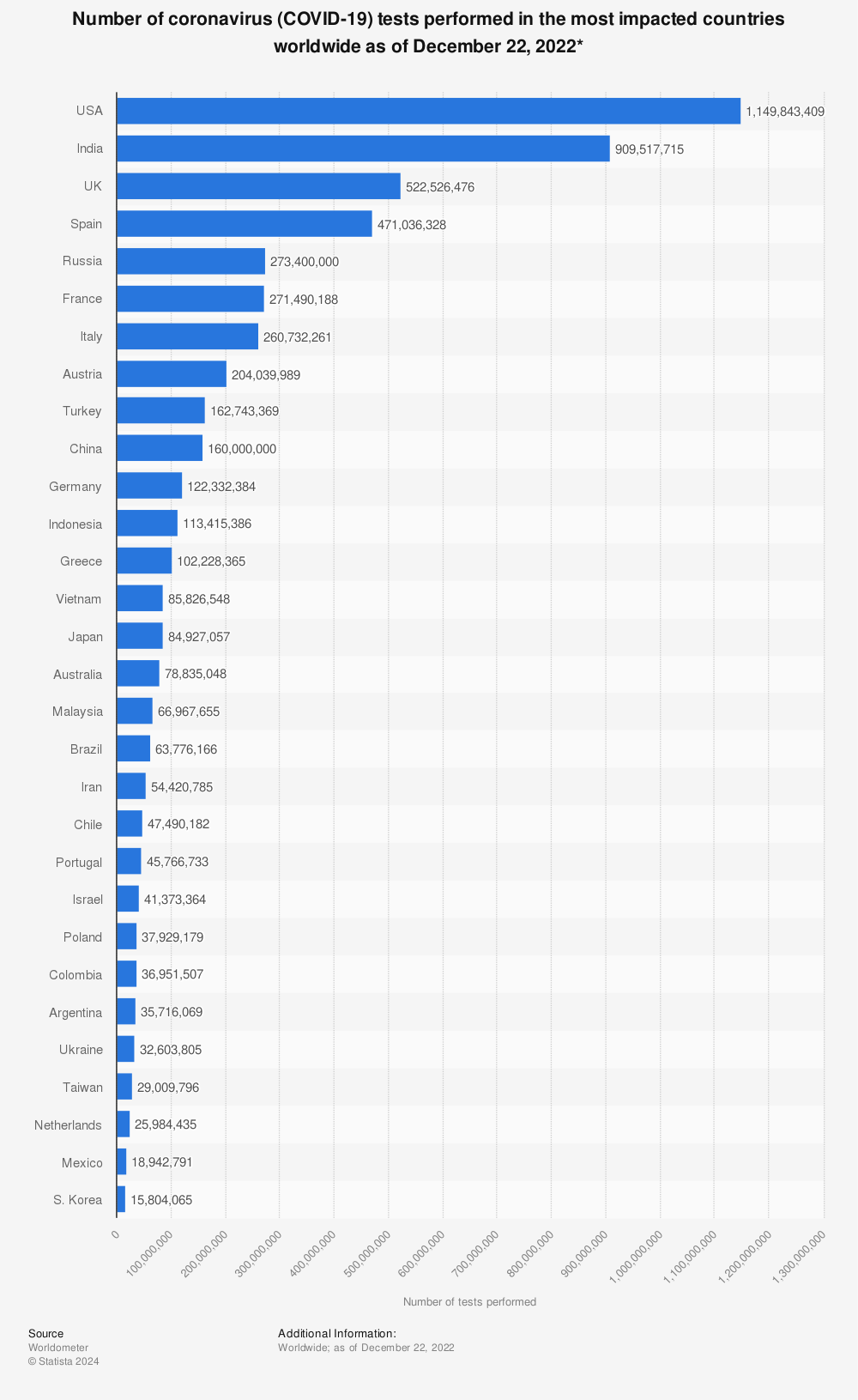
Public Health mandates for masks unnecessarily collided with political and cultural identities of the population. The rest of the world horridly watched how in the United States personal freedom was prioritized over collective safety of the community. As a result of the irrationality, the U.S. is still struggling to send Americans back to their workplaces and our kids to school. Schools that opened in states that do not have the virus under control promptly saw infections rise among students and teachers. They closed their doors as quickly as they opened.
Fierce Race for Vaccine
In the meantime, the world is watching a fierce race among nations to get to an effective vaccine first. We have come to terms with the reality that the semblance of normalcy would not return without effective vaccines and therapeutics. Many vaccine candidates are in the race including the United States, United Kingdom, Germany, China, Russia and India. Russia recently proclaimed that it has registered the first COVID-19 vaccine, albeit their large-scale human trial is still pending. The United States has three potential vaccines in the large-scale phase 3 trial, including the vaccine from the joint work of Moderna and National Institute of Allergy and Infectious Diseases (NIAID) based on Moderna’s messenger RNA (mRNA) platform.
Pfizer, in collaboration with the German company BioNTech and Chinese drug company Fosun Pharma, is also entering phase 3 trial of their mRNA-based vaccine. Johnson & Johnson will go for a phase 3 trial in September with a vaccine based on a previous vaccine. China’s CanSino Biologics and the University of Oxford in partnership with pharmaceutical company AstraZeneca have been working on vaccine candidates for months and are also entering a large-scale phase 3 clinical trial.
While countries are taking various shortcuts to come out with a vaccine in record time, it is unclear which country will eventually come out with an 80%-90% effective vaccine that is safe for a broad range of the population. It is quite likely that the world will see several reasonably effective vaccines by the middle of 2021 coming from different countries. The key uncertainty, however, is about the scale of manufacturing and subsequent distribution of vaccines to the right people at the right time.
There is a fear that countries will be driven by a nationalistic approach and will limit the availability of vaccines to their own population first, including the United States. This in turn might slow down distribution of vaccines to countries with larger vulnerable populations or failing healthcare infrastructure. Anti-vaccine advocates will further complicate the crisis. In the U.S., about 20% of people fall into that category. It will take an enormous effort by federal, state and local government officials to successfully drive vaccination initiatives around the country. Achieving “herd immunity” – where 70%-80% of the population is immune and thus likely to protect those who lack immunity from infection – is a long path ahead.
Data, Past Experience Fuel Vaccine Development
Undeniably, the speed at which the vaccine development has progressed is unprecedented. Typically, to make a safe vaccine with high effectiveness takes around 10-15 years if not decades. Since the coronavirus family of “zoonotic” viruses (viruses that can jump from other animals to humans) surfaced before in several forms like SARS, MARS, Avian Flu, etc., many researchers in the world have done significant prior work on various potential vaccines. This pre-work and the rapid availability of vast amounts of data from early research studies on COVID-19, along with artificial intelligence software, helped vaccine researchers make significant progress toward COVID-19 vaccine research and discovery. The U.S. government set up the COVID-19 High Performance Computing Consortium in March 2020 to process data related to bioinformatics, epidemiology and molecular modeling to derive answers to complex, scientific questions about COVID-19 in hours or days versus weeks or months. The processing power is provided by 483 petaflops of storage and 5 million CPU cores – the data storage and processing power needed to run advanced artificial intelligence algorithms for COVID-19 research.
Despite that, it is uncertain to what extent the first-generation vaccines could be effective. In a quite unprecedented move, vaccine manufacturers, bolstered by the pre-orders made by various countries, have taken steps to ramp up their manufacturing in parallel with the clinical trials. By the end of the year we will know whether such proactive investments actually pay off. What is more interesting is typically large pharmaceutical companies do not want to make and sell vaccines as it is a low-profit business. Most of the world can’t pay high prices for a vaccine. The pandemic has changed the equation, as all big pharma companies working on COVID-19 vaccines have committed to distributing large quantities of doses at affordable prices. Is this just altruism? Perhaps not. Big Pharma is trying to build back its reputation, which was battered over the years leading up to the crisis.
Healthcare Delivery Changes Post Pandemic
While horrific, the pandemic has and will continue to present new opportunities for many innovations. Some examples:
- Virtual care is possible and generally effective. Many routine clinic visits for rudimentary checkups or follow-ups can be easily done via telehealth if the patient has access to technology and insurers are willing to reimburse in the same way as clinic visits. During the pandemic, Medicare and Medicaid payments have been made for telehealth visits at the same rate as clinic visits. This surely kept the delivery organizations afloat. So why not continue this after the pandemic ends?
- It is entirely possible to conduct testing with trained professionals at drive-thru pop-up sites. This could lead to an expansion of the testing sample collection process outside of the traditional brick-and-mortar laboratory environment.
- We’ve seen hospitals set up in a makeshift manner without large investments within a few days. China built a sophisticated hospital for COVID-19 patients in Wuhan in 10 days. The United States has done the same in many states. Why not do this in rural America where hospitals with large facilities have shuttered their doors?
- Companies like Amazon delivered everything to people’s homes as e-commerce surged and brick-and-mortar retail sales plummeted. Can healthcare be delivered in the same manner?
- For a long time, the healthcare industry discussed the role of social determinants in healthcare. While active management of social determinants has become part of healthcare delivery, proper integration remains elusive. COVID-19 has exposed the devastating effect of not seriously treating this integration by taking a huge toll on vulnerable communities. I anticipate that healthcare organizations, small and large, will focus on this area after the pandemic is over both for data analytics as well decision-support for healthcare delivery.
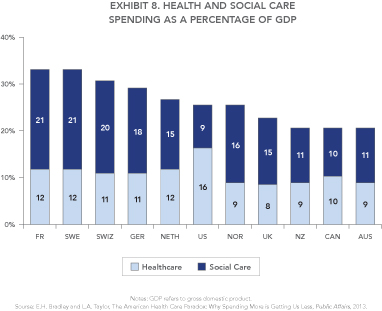
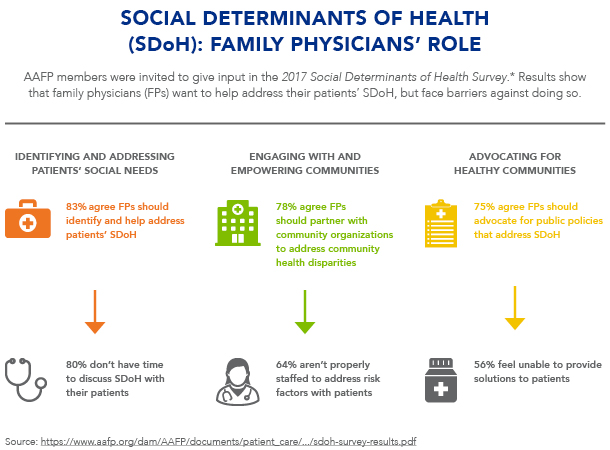
- The COVID-19 crisis has greatly increased the use of analytics, from public health to health insurance. It seems likely that over the next three to five years more and more healthcare organizations will become data-driven, thus ushering in a change in culture among providers. They need to improve staff competence in using data for decision-making, improve data infrastructure and build successful data strategy for their organizations.
COVID-19 has become a game changer and a “once in a century” event not just for healthcare, but for many industries. Travel, retail, education, entertainment and many other sectors will experience rapid change in service delivery and even business models. The world has been changed forever this year, and technology will become the centerpiece of all businesses when this crisis becomes a thing of the past.
Rajib Ghosh is the founder and CEO of Health Roads, LLC, a consulting company for enabling digital transformation in healthcare organizations. He has 25 years of technology experience in various industry verticals where he had management roles in software engineering, data analytics, program management, product management, business operations and strategy development. Ghosh spent a decade and half in the U.S. healthcare industry as part of a global ecosystem of medical device manufacturers, medical software vendors, telemedicine and telehealth solution providers. He’s held senior positions at Hill-Rom, Solta Medical and Bosch Healthcare. His recent work includes leading data-driven digital transformation in the public health space, including county-level healthcare agencies and organizations focused on underserved populations.
([email protected])