

April 12, 2021 in Analytics Conference
The Future of Human-Robot Interaction
SHARE: PRINT ARTICLE: https://doi.org/10.1287/LYTX.2021.02.23n
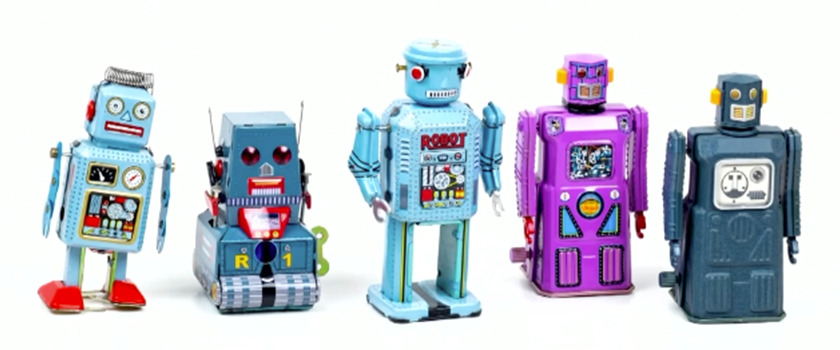
The 2021 Business Analytics Conference content-packed schedule kicked off with a very thought-provoking presentation from Dr. Kate Darling, a leading expert in social robotics and MIT Media Lab Research Specialist, and the INFORMS Roundtable-sponsored plenary speaker.
Dr. Darling’s session, “The Future of Human-Robot Interaction,” challenged attendees to completely reevaluate their feelings and biases toward robots. From exaggerated concerns over world domination by super-powered robots, to fears regarding automation and its impact on the job market, to our tendency as humans to treat robots as living beings (did you know 80% of Roomba vacuums have been named by their owners?), Dr. Darling shined a light on some existing attitudes and misconceptions.
Essentially, the human-robot relationship is a complicated one.
In her presentation, Dr. Darling explored some of the reasons for these complexities, whether due to misinformation, redirection of blame, or misplaced emotional responses, all of which take away from the larger conversation of how to integrate (not deploy) robot technology to support humans as part of a system, not as the solution itself.
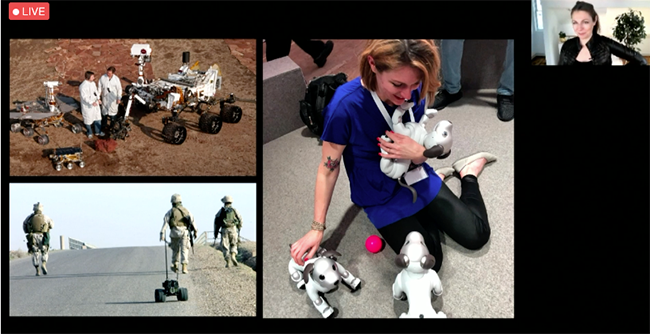
Dr. Darling looked extensively at the anthropomorphizing of robots, and how we often project our feelings onto them like we would a pet or stuffed animal. Her examples ranged from an exercise that found people unwilling to “harm” an interactive (and adorable) robotic dinosaur, to soldiers developing emotional attachments to bomb disposal robots that are so significant, they will hold funerals for them when they are destroyed.
Robots are not the problem
She also discussed the pervading fears and misinformation regarding the growing role of automation in business, which are reflected in media headlines like, “No Jobs? Blame the Robots,” “The robots-are-taking-our-jobs threat is real,” and “When Will Robots Take All the Jobs?” The corporate drive to automate-out human workers is not the fault of the technology, but evidence of a fundamental change that must be made within the business world.
As we look at the growing relationship between humans and robots, humans do not have to be viewed as a replaceable commodity. The development of technology in this area should focus on how robots can partner with people to help them do their jobs better, filling roles that are difficult or even dangerous for humans.
Robots aren’t animals … but there are parallels
There are also significant parallels between our growing relationship with robots and that of our history with animals. Long before robots, people had partnerships with animals, from carrier pigeons that delivered mail and medicine, to canaries warning of dangerous mine conditions, to dolphins whose natural echolocation abilities still far exceed that of current technology.
When we look at what the future holds as robots continue to move off the factory floor and into our homes and shared spaces, Dr. Darling predicts relationships with robots similar to what we have with animals. And while animals and robots aren’t the same, this comparison helps further the discussion about the role of robots as partners. Certain robots will be treated as tools and products, while others will serve as companions. Dr. Darling also pointed out that in the conversation about our relationships with robots, we may be forced to hold a mirror up to our relationships with animals and evaluate instances of hypocrisy.
“I think that the insights we glean from human-robot interaction research are not just interesting but they’re very important. Because what’s most fascinating to me about this research is that it’s teaching us more about ourselves. It’s teaching us more about human psychology, communication, empathy, and how we relate to others,” said Dr. Darling.
While learning about robots, we learn about ourselves
“Reframing how we think about this technology can make a difference at every level from designing, to building, to integrating, to tech policy,” Dr. Darling shared. “It helps us be more clear-eyed about our challenges, it helps us be more clear-eyed about our choices. It helps us save lives, save money, and solve problems. And I think that there is a path to a robotic future that is resoundingly human, so long as we set aside our technological determinism. And if we can do that, then I for one welcome our new robot partners and I look forward to shaping the future together.”
SHARE: