May 18, 2021 in Forum
Cookies crumble: How CDPs are eating into DMP’s business
Customer data platforms: Six trends to follow as personalization rocks marketers the Internet over.
SHARE: PRINT ARTICLE: https://doi.org/10.1287/LYTX.2021.04.03
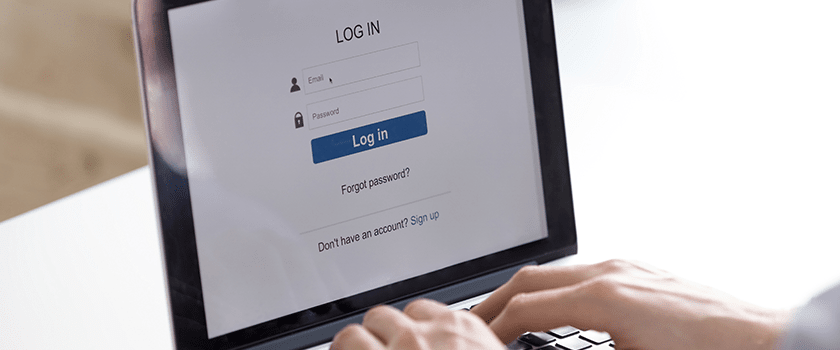
The news that the most popular browsers – Chrome, Firefox, Safari, etc. – are depreciating cookies in their browsers within the next two years continues to rock marketers the Internet over. The rise of personalization is built upon the ability of a business to use anonymous third-party data – data from other websites – to target the same customers on any website.
The companies capturing anonymous customer data and selling it as third-party data are known as data management platforms (DMPs). With this dramatic change, tracking first-party data via your own company-owned websites, apps, transactions, etc., becomes a lot more important. Which makes your own customer data platform (CDP) even more critical because it can provide deeper insights about your customer and their activities, thereby providing the ability to personalize the experience in new ways.
Here are six trends we’ll see with CDPs:
- Retargeting and maximizing existing customers. With reduced accuracy of third-party data, first-party data will become a lot more valuable. Leveraging the first-party data for segmenting and using it for programmatic ad platforms via DSP (demand side platforms) will make retargeting more valuable. The focus will shift more toward trying to maximize conversions among those customers who are already on the website versus trying to attract newer segments, particularly as ROIs will shift in favor of supporting former investments.
- Deriving look-alikes based on CDP data. The integration of CDPs with DSPs will become important as Google, for instance, will start providing aggregate user segments instead of providing the ability to target individuals via cookies. By leveraging CDP-DSP integration, creating third-party look-alikes leveraging first-party user data will become a natural way of targeting a new customer base.
- More gated content. The need for first-party data will trigger more and more content to become gated in the future – with internal CDP mapping done via capturing email address and/or first and last name in order to access the high value content.
- Collaboration between brands and publishers. Opportunities around cross-collaborations between brands and publishers can provide much needed second-party data for brands when third-party data starts to become less valuable. Does that in turn help publishers bring in much needed revenue?
- Even more SSO. Single sign-on (SSO) integrations from Facebook, Google and others are common, but we expect even more consolidation in SSOs as businesses grapple with losing access to data. SSOs give CDPs more robust data to work with, allowing for better insights and personalization.
- Other identifiers. DMPs are also trying to change their business model but are facing various challenges.
CDPs have a great opportunity to expand its footprint in businesses, take over DMPs to provide much more valuable insights from first- and second-party data by creating a persistent and unified customer profile. While technology is constantly changing, rarely has the sunset of a technology caused such a widespread disruption in certain business models. But companies willing to pivot quickly, leveraging their CDPs even more effectively, can combat the death of the cookie and perhaps come out with even better customer intelligence.
Venu Gooty is the global head of data sciences and analytics at HGS Digital, a digital transformation consultancy that helps organizations use data to elevate their customer experience.