September 9, 2022 in Data Analytics
Data Science is Disrupting “Old School” Industries and Creating High Consumer Value
SHARE: PRINT ARTICLE: https://doi.org/10.1287/LYTX.2022.05.10
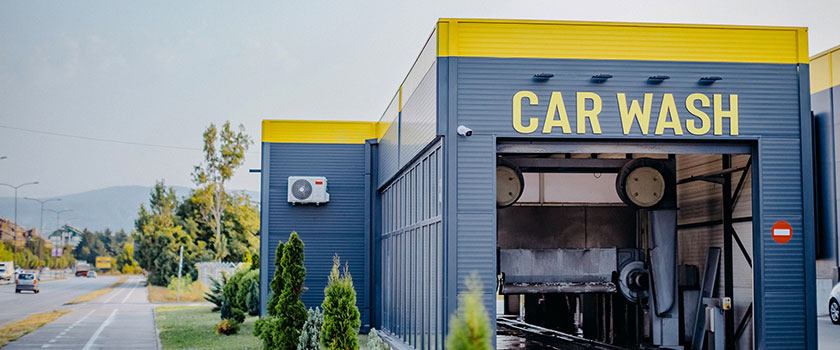
Data science is a critical tool used among many customer-service sectors from technology to big brands to retail. However, only recently has there been a growing awareness that “old school” service industries – as ubiquitous as the mom-and-pop car wash – offer an unprecedented opportunity for data science to unlock tremendous value.
Data analytics is deployed by most companies and might include looking at standard key performance indicators (KPIs) and trends such as customer traffic. Even small businesses analyze data to measure performance, and data science allows them to dig deeper, forecast and predict demand with accuracy, and personalize offers for customers depending on their purchasing patterns and other variables.
When you go to a car wash, you may not realize it’s a $33 billion industry that is rich with consumer data and opportunities to leverage data science. As a data scientist and former engineer with Apple, I am now working with Mammoth Holdings – one of the largest car wash operating platforms in the United States – to transform a very traditional industry with disruptive data science techniques that have direct impact on consumer benefits, business operations and environmental impact. Our efforts can offer guidance for similar traditional industries looking to unlock the power of data science and facilitate growth.
Forecasting New Consumer Benefits
Car wash owner-operators have thousands of cars running through express conveyor car wash tunnels every day. Applying data science, we can reframe the cost, convenience and quality of a car wash. Although the business may appear simple and straightforward, this industry possesses unlimited data sets that we can tap into. Simply identifying the color, make and model of a car can impact the way we ultimately service customers to create a car wash that is best for their specific vehicle needs.
Weather data is emerging as a key sales and educational tool. When it rains, there is usually lower car wash volume. But rainwater can actually damage a car’s paint finish. Using rain patterns and forecasting can educate consumers on how to protect their vehicle and maximize the benefit of a wash. Rainwater and snowmelt damage can be offset using ceramic finishes during a car wash. Forecast data can be used to promote special services and options, such as ceramics, as a response to weather patterns in specific geographies. Likewise, pollen data can target customers who are inevitably in need of a wash.
The color of a car – beyond being simply a personal preference – can inform promotional efforts. Darker vehicles more easily show dirt than lighter colors. Therefore, targeting owners of dark vehicles with promotional coupons and discounts encourages sales to a specific consumer demographic that is likely to be a repeat customer.
There is even more consumer data with untapped potential, including the possibility to study driving habits and offer discounts to long-distance commuters or Uber drivers. Analyzing owner and vehicle type – such as SUV or compact car owners and their driving habits – can help identify behaviors and preferences regarding the cleanliness of their vehicles. From color to car type to weather patterns, data allows us to create a loop for communication between the customer and the business and can serve as a key tool for customer retention. A data science mindset allows us to design strategies to keep the consumer coming back.
Transforming Operations
Data science can inform future decisions about equipment and design of facilities, which can result in more efficient operations and cost savings. By studying consumer habits, we can design and build facilities that will best serve customers in specific geographical locations. Data science tracking the make and model of a vehicle offers specific information that can determine how a car wash tunnel is constructed and operated. A critical mass of customers with SUVs, compact cars or trucks can influence the layout and planning for a future site. The height and width of a tire and where it lands on the conveyor can inform how much cleaning concentrate is used and the efficacy of the wash. Gathering more information will dictate how future tunnels are built and operate. Using data science, we can even locate spots on the vehicle that may not get properly washed and can adjust brush placement, cleaning concentrate and water with greater accuracy.
Reshaping Environmental Impact
As Environmental, Social and Governance (ESG) practices guide future decision-making from both a corporate and site perspective, data science can help establish new goals and design future best practices focused on environmental impact. These actions can also have a direct impact on consumer loyalty. Data science can guide resource efficiencies. For example, by analyzing data from car washes, studying individual car types (shape, size, etc.), we can customize washes to create efficiencies in water consumption. We can also identify alternative resources. For example, studying data from the use of wash alternatives, such as steam instead of water, could create new tools and best practices to conserve and reduce the use of natural resources.
Adopting a Data Science Mindset
The power of data science in the car wash industry serves as a reminder for traditional businesses that there are rich opportunities to create efficiencies, improve services and expand into new markets. One simply has to ask questions and use data to inform answers. Traditional “old school” industries can consider these questions and approaches as they look to adopt a data science mindset.
- Don’t be afraid to ask forward-thinking questions, even if the answers aren’t clear. Traditional industries are sometimes afraid to innovate. Ask the tough questions – can you recycle even MORE water? Then look for data to provide answers.
- Look outside your business model for potential answers. For example, examine best practices from industries that have nothing to do with your own; don’t blindly apply, but adapt and customize those best practices to your industry.
- Imagine the future and think big. A waterless car wash? It seems unthinkable until it’s not. The idea of using glass for the back of an iPhone (more durable, more waterproof – and it required changes to manufacturing and supplier systems) seemed unlikely at first, but that’s how Apple used future-forward thinking to change the industry.
- Build a communication loop to listen to your customer. Ask yourself, “Do I even know what my customer wants?” Although we may think we know, we still have to dig deeper to truly find out. Too many companies design first and then see if it floats with their customers. Always listen, test and learn. The customer is constantly offering data, information and insights and often pointing your business in a new direction. A decade ago, environmental impact wasn’t as important to car wash consumers, but now it’s a key factor in loyalty.
- Start small and be ready to accept failure, but relish the quick wins.
Harsha Musthyala is senior director of data analytics at Mammoth Holdings. Previously working at Apple, she and her team used deep data insights to fend supply chain challenges and improve customer experience. The innovation mindset that Apple embodies encouraged her to use data as a tool for creative problem solving. At Petco, Harsha drove subscription membership by creating customer cohort and segmentation models. She has first-hand experience using data to solve critical business problems in a variety of sectors, including tech, retail and consulting services. Now, she is applying her experience in the car wash industry, which is fairly new to the world of machine learning and data science. Harsha holds a bachelor’s degree in computer science and statistics from Jawaharlal Nehru Technological University, India, and an MBA from University of San Diego.