July 22, 2025 in AI Regulations
Navigating AI Regulations: What Businesses Need to Know in 2025
SHARE: PRINT ARTICLE: https://doi.org/10.1287/LYTX.2025.03.10

Artificial intelligence (AI) has spread its roots everywhere, and businesses are no exception. AI has completely transformed the way businesses operate and boost their operations. AI has significant impact on ethics, trust and privacy, leading governments to enforce stricter rules and regulations to ensure safety. As AI evolves, these regulations are expected to become more substantial. Businesses must follow these guidelines to avoid legal hurdles and ensure steady growth. This guide will help you become aware of the most critical AI regulations of the year, which will help your business remain responsible and proactive in ethically using AI.
Why AI Regulations Are Becoming Critical
AI is continuously growing and used in almost every area affecting our daily lives, including healthcare, banking, human resources, education, public services and more. AI’s ability to automatically complete tasks helps businesses simplify their processes and improve their performance. In fact, studies show that AI is growing rapidly and is expected to reach more than $826 billion by 2030. This growth is impressive; however, if not developed and managed, it can lead to serious risks.
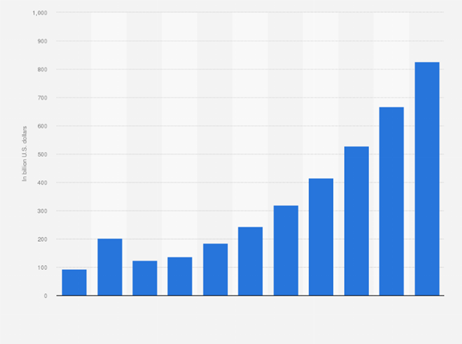
There have been some cases in which AI has made unfair decisions, which raises concerns and can lead to real-world harm, especially when decisions are made without human oversight. These issues can cause damage in terms of privacy, fairness and transparency, and because of these concerns, many people lose trust in the technology. This is why governments are introducing new rules making AI regulations crucial to:
- Protect users’ data privacy and rights
- Provide a transparent approach
- Reduce bias and ensure reliability
- Increase liability
Regulations That Every Business Should Focus On
Some key AI regulations are setting standards for how AI is developed and governed worldwide. Here are some major regulations that every business should watch.
1. The EU AI Act
When it comes to AI regulations, the European Union stands as the world’s first complete legal framework built to regulate artificial intelligence. This landmark legislation categorizes AI systems based on their risk levels, with a robust focus on high-risk areas such as employment, healthcare, biometric identification and education.
Every business operating in the EU must follow these rules to ensure quality, safety and transparency, including respect for human rights and insights. The EU AI (European Union) Act also restricts many high-risk practices, including real-time face recognition in public spaces, to secure civil liberties.
2. The U.S. Executive Order on AI
The U.S. Executive Order on AI (14110) was signed in late 2023 and has significant implications for AI governance in 2025. The role of a U.S. executive order is to give clear responsibilities to federal agencies to promote the safe and ethical use of AI. The order covers key areas including thorough model testing, protection of civil rights, fairness of algorithms and careful management of national security risks.
3. Global AI Regulations
The U.S. and EU are not the only places taking regulatory initiatives; many other international groups and countries have already developed or are in the process of developing their own AI regulation strategies. In the U.K., its AI regulation framework prioritizes a flexible, adaptable, case-by-case approach.
China is promoting strict rules based on generative AI and deepfakes, which means they are heavily focusing on content control. Organizations such as the G7 (Group of Seven) and OECD (Organization for Economic Co-operation and Development) are focusing on global standards to boost compatibility, transparency and more ethical use of AI. These collective efforts show a global move to harmonize AI.
Main Aspects of AI Regulation to Watch in 2025
AI regulation will continue to evolve as global organizations and governments are prioritizing transparency, accountability and ethical use. Here are some of the main aspects to keep in mind for your organization.
1. Transparency and Explainability
Businesses using AI must clearly explain how algorithmic decisions are made, especially in areas that significantly affect people’s rights, finances or well-being, such as job hiring, credit scoring or medical diagnoses.
As regulatory pressure intensifies in 2025, companies are expected to implement explainable AI systems that allow users, auditors and regulators to trace how an outcome was produced. This includes documenting input data, logic used and the reasoning behind conclusions. Without this, even accurate systems can be deemed noncompliant if they’re too opaque to understand.
2. Data Privacy
AI systems feed on vast amounts of user data, from browsing behavior and location to personal health records (e.g., General Data Protection Regulation in the EU, California Consumer Privacy Act and newer national frameworks in 2025 require strict safeguards for how this data is handled).
Consent must be explicit, data collection must be minimized, and users must be given options to access, correct or delete their data. AI applications in sensitive sectors such as health, finance and education face even higher scrutiny. Noncompliance can lead to massive fines and reputational damage.
3. Bias and Fairness
One of the most urgent challenges in AI governance is preventing systems from reinforcing societal biases, such as racial profiling, gender discrimination or age-based exclusion. Regulators now require businesses to conduct bias audits, maintain model documentation, and prove that data sets are representative and inclusive.
For instance, if a hiring algorithm consistently disadvantages minority candidates, it could lead to legal and reputational fallout. In 2025, fairness isn’t just a best practice, it’s becoming a legal obligation in many jurisdictions.
4. Human Oversight
Fully automated decision-making is no longer acceptable in many high-stakes environments. Human oversight, or the ability to intervene or override an AI decision, is now required in sectors such as law enforcement, healthcare diagnostics, loan approvals and other public services.
Human oversight ensures a layer of accountability and moral reasoning that machines alone cannot provide. Regulatory frameworks increasingly demand that companies implement “human-in-the-loop” or “human-on-the-loop” systems, in which trained professionals can validate or question AI-driven results before action is taken.
5. Accountability
As AI becomes more powerful and autonomous, determining who is responsible when something goes wrong is critical. Whether it’s a faulty diagnosis from an AI tool or a discriminatory loan rejection, regulators are now establishing frameworks to clarify legal liability.
In 2025, many governments will require contracts and compliance documents that define responsibilities between developers, deployers and third-party vendors. Failing to define these roles can not only result in fines but also stall product launches or lead to lawsuits if harm occurs.
How Businesses Can Prepare for AI Compliance
If you are thinking about or already planning to use AI, you need to take these five practical steps to stay within legal boundaries.
1. Audit Your AI Systems
Conduct a comprehensive review of your AI systems to understand how they operate. You need to check that the data and models are trained, and make sure that they’re representative of various user groups. Take a close look at the outcomes that can be explained clearly and well documented so that people can easily understand. Ensure that your systems avoid making biased or discriminatory decisions and track model performance over time. Keep in mind that a well-documented audit process will not only help in internal monitoring but also demonstrate accountability.
2. Update Your Privacy Policies
Be careful with privacy policies; make sure that they show the latest data protection laws. You need to communicate what kind of data you are collecting; how it’s stored, used and shared; and most importantly, for what purposes. To gain user trust, allow them to manage their preferences, such as collecting and deleting their data upon request.
Privacy policies are very crucial for AI applications in sectors such as finance, healthcare or education, in which data is more sensitive. When you keep your privacy policies up to date, it shows that you value your users rights and transparency.
3. Involve Legal and Ethics Experts
AI compliance should never be left solely to the tech or product teams. Include legal advisors familiar with AI and digital regulations to ensure your systems align with the law. At the same time, involve ethics professionals or build an internal committee to evaluate whether your AI use cases align with fairness, accountability and human values. These experts can help you identify potential risks early, review automated decision-making systems and avoid costly legal issues or reputational damage.
4. Create an AI Governance Plan
Develop a detailed AI governance strategy that covers your entire AI life cycle, from data collection and training to deployment and monitoring. Define clear roles and responsibilities for team members, outline procedures for auditing and updating AI systems, and set thresholds for when human intervention is required.
Your governance plan should also include protocols for dealing with user complaints, AI malfunctions or public concerns. Having a robust and transparent framework boosts stakeholder trust and regulatory confidence.
5. Stay Informed
AI rules are evolving fast, and falling behind could put your business at risk. Dedicate time to stay informed about national and international AI laws, policy changes and ethical guidelines. Follow updates from regulatory authorities, participate in AI-focused webinars or forums, and engage with communities promoting responsible AI development.
Being well informed not only helps you stay compliant but also gives you a competitive edge by adapting faster to new standards and expectations.
Looking Ahead: AI Governance as a Competitive Advantage
AI can bring great value to businesses, but without proper rules, it can also cause some serious risks. This is the reason regulations in 2025 are crucial for businesses to think beyond innovation and prioritize responsible, lawful use of AI. From everyday applications to more advanced solutions, such as autonomous AI systems, staying compliant is crucial. By being proactive, you not only avoid penalties but also build trust with your customers, employees and partners.
Deepak Saini is the CEO of Nascenture, where he leads innovation at the intersection of AI, user experience and product development. With hands-on expertise in building intelligent applications, he is passionate about crafting solutions that are both technically advanced and user-focused.