


Eliciting Supplier Cooperation for Value Chain Decarbonization: A Field Experiment with Smallholder Farmers in India
Abstract
Many firms are pledging to reduce greenhouse gas emissions across their value chains. However, this requires their suppliers to also adopt more climate-friendly practices for decarbonization. This can involve addressing gaps in not only the suppliers’ ability but also, their willingness to adopt such practices, which can be challenging if the suppliers perceive the practices as risky or potentially detrimental to their economic well-being. We examine the effectiveness of relational investments to help mitigate this challenge, arguing that such investments can serve as a signal of the firm’s commitment toward joint value creation. In a field experiment conducted with supplier farmers in a multinational firm’s agricultural supply chain in India, we examine the impact of two kinds of relational investments in providing the farmers with customized agricultural services that they valued. In the first intervention, the firm’s field officers offered the farmers support specific to the crop that the firm sourced from them. The second intervention additionally involved bringing in expert agronomists to also provide the farmers with support on broader agricultural matters of interest to them. Relative to a control condition in which the farmers only received training on the relevant climate-friendly practices, both interventions improved the farmers’ adoption of the recommended practices. The second intervention was more impactful than the first in improving the farmers’ practice adoption as well as their retention with the firm. Exploratory mediation analysis and post-experiment field interviews suggest that these findings are partly driven by the farmers’ positive perception of the firm’s relational investments.
This paper was accepted by Anita McGahan, business strategy.
Funding: The authors acknowledge financial support from INSEAD [Kurt Björklund Research Fund].
Supplemental Material: The online appendix and data files are available at https://doi.org/10.1287/mnsc.2024.05744.
1. Introduction
Climate change is a grand challenge of concern not only to scientists (Richardson et al. 2023) but also to management scholars (Chandy et al. 2023, Bansal et al. 2025). There is a widespread recognition that business-related activities worldwide are a significant contributor to global warming (Dietz et al. 2018). In order to mitigate this effect, firms are increasingly being asked to do more to reduce the greenhouse gas (GHG) emissions that they are responsible for (Cenci et al. 2023). In addition to experiencing regulatory pressure specifically to reduce their climate impact (Rockström et al. 2017, Rennert et al. 2022), firms are facing pressure to be socially responsible on both environmental and social dimensions from their various stakeholders, including customers (Bertini et al. 2022, Aghion et al. 2023), employees (Burbano 2016, Bode and Singh 2018), communities (Henisz et al. 2014, Dorobantu and Odziemkowska 2017), and investors (Flammer et al. 2021, De Angelis et al. 2023). In response, many firms are integrating specific environmental and social goals into their strategy (McGahan and Pongeluppe 2023, Burbano et al. 2024), including designing decarbonization programs to reduce emissions (York et al. 2018, Lenox and Duff 2021).
Firms facing pressures to mitigate the negative externalities that they impose on society is not a new phenomenon (Reid and Toffel 2009, Jira and Toffel 2013). In the past, they have managed to circumvent such pressures to a significant extent through measures like moving the activities that cause the most harm to lenient jurisdictions (Li and Zhou 2017, Berry et al. 2021), outsourcing them to other organizations (Barney et al. 1992, Becker and Henderson 2000, Alberini and Austin 2002), or spinning them off as separate legal entities (Prechel and Zheng 2012, Lee and Bansal 2024). However, at least on the specific issue of global warming, there is growing awareness that significant fractions of the emissions that firms are responsible for arise outside their direct operations (Blanco et al. 2016, Stenzel and Waichman 2023). As a result, many practitioners as well as researchers are calling for firms to be held accountable even for the emissions from other parts of their value chains (Fankhauser et al. 2022, Cenci et al. 2023). Yet, the focus in addressing these “scope 3 emissions” has been on either designing better policies or coming up with better measurement approaches (Science Based Targets Initiative 2025). Our research draws attention to a critical yet understudied challenge that needs to be overcome for firms to make sufficient progress on decarbonization: securing the cooperation of the firms’ partners across the value chains (Hsu and Rauber 2021, Hardy and Sandys 2022). In particular, we draw upon insights from the literature on relational strategy and new stakeholder theory to empirically investigate the following question. How can a firm committed to decarbonizing its value chain elicit its suppliers’ cooperation for these efforts while also ensuring the economic well-being of its suppliers as well as meeting its own business objectives for the value chain?
Our study is motivated by an observation that mobilizing suppliers’ support for improving the environmental performance of a firm’s value chain requires overcoming gaps not only in the suppliers’ ability but also in their willingness to adopt the relevant practices necessary for mitigating their externalities (McGahan and Pongeluppe 2023). A gap in the suppliers’ ability to adopt such practices might arise from their lack of sufficient knowledge or implementation capabilities (Gereffi et al. 2005, Locke et al. 2009), an issue that can at least partly be addressed through appropriate support in the form of training or capacity building. However, this would not resolve any gap that remains in the suppliers’ willingness to adopt these practices, which may arise because of a misalignment between the suppliers’ interests and the outcomes that they anticipate from adopting the practices. Although formal contracts can, in principle, be a solution to this issue, the transaction costs involved in contract enforcement sometimes make this too costly, especially in weak institutional environments (Hoskisson et al. 2000, Marquis and Raynard 2015). This challenge is especially prominent in many emerging economy contexts (Gatignon and Capron 2023), where the issue is exacerbated as the value chains often have numerous suppliers that are individually small but collectively have a significant environmental impact (Lazzarini et al. 2025). Prior literature suggests that one solution for eliciting supplier cooperation in such settings might be to not rely only on formal contracts but to also pursue relational strategies where the exchange partners demonstrate mutual commitment and pursue joint value creation (Helper and Henderson 2014, Teodorovicz et al. 2024, Lazzarini et al. 2025).
However, not all firms are well positioned to prioritize supplier interests in a way that reinforces rather than compromises their own competitive performance; whether doing so generates a net positive value for the business depends on the extent of complementarities between investing in suppliers and the firm’s other activities (Garcia-Castro and Aguilera 2015, Garcia-Castro and Francoeur 2016). In particular, business benefits are more likely to accrue to a firm that consistently pursues a “high road” strategy across its activities (i.e., integrates stakeholder and societal considerations across all aspects of its strategy) (Distelhorst and McGahan 2022, McGahan and Pongeluppe 2023). A crucial condition for the successful implementation of this approach is for the firm’s stakeholders to also be convinced of its commitment to the pursuit of mutual benefit. If the suppliers are unsure about the firm’s motives and hence, perceive any new practices that it recommends as risky and potentially detrimental, they might resist their adoption irrespective of whether the practices are, in reality, consistent with their economic well-being. On the specific issue of value chain decarbonization, a firm’s suppliers might not be convinced of its claim (even if true) that the climate-friendly practices that it recommends would not harm them (and might even benefit them; e.g., by improving their efficiency). To examine how a firm might overcome this challenge, we draw upon prior research demonstrating that a costly and visible relationship-specific investment can serve as a signal of a partner’s trustworthiness (Beer et al. 2018) and that making such a “relational investment” is especially worthwhile for a firm that consistently pursues a high road approach across activities (Distelhorst and McGahan 2022). In particular, we propose that a firm seeking both a positive environmental impact (by reducing its value chain’s emissions) and a positive social impact (by supporting its small suppliers) would likely find it worthwhile to make a relational investment that prioritizes supplier interests as a signal of its commitment to joint value creation.
To empirically test the idea that making relational investments in line with supplier priorities can enhance their adoption of the firm-recommended practices, we conducted a field experiment in collaboration with a Fortune 500 firm in the food and beverage industry. The firm’s value chain involved sourcing of a key crop for its products (referred to here as “Crop X”) from thousands of smallholder farmers in India. Having set decarbonization targets for its value chain, the firm was keen to get its supplier farmers to adopt certain climate-friendly agricultural practices that could support its progress toward the targets. Importantly, a key barrier to the adoption of these practices by the farmers was not that they were necessarily unsound for the farmers but that being unfamiliar, the practices were nevertheless perceived by the farmers as risky and potentially detrimental to them. Building on insights from prior literature, we, therefore, designed our field experiment to investigate the effectiveness of relational investments as a tool to overcome this hurdle. In addition to hypotheses related to the farmers’ adoption of the recommended practices as a primary environmental outcome of interest, our preregistration for the experiment also included hypotheses related to farmer retention as a key business outcome of interest for the successful scaling of the firm’s Crop X sourcing program.
Our study sample consists of 2,605 farmers who had enrolled in the firm’s sourcing program for the 2022–2023 agricultural season. The key idea behind our experimental interventions was to complement farmer training on the relevant climate-friendly practices (which was included in all experimental conditions, including the “base program” used as our control) with relational investments that demonstrated tangible value creation for the farmers and hence, could potentially serve as a signal of the firm’s commitment to the farmers’ well-being. We implemented two such interventions. Our first intervention, Intervention A, extended beyond our base program by adding customized advisory services that were provided by the firm’s field officers but were limited to Crop X, thus representing an investment within the firm’s value chain. Our second intervention, Intervention B, additionally included a broader set of customized agricultural advisory services that were provided by expert agronomists deployed from the firm’s central resource pool and covered any agricultural matter of interest to the farmers, thus representing an investment not restricted to the firm’s value chain for Crop X. We find that relative to the base program, Intervention A improved practice adoption (our primary environmental outcome) but not farmer retention (our primary business outcome), whereas Intervention B improved both outcomes. Intervention B was significantly more impactful than Intervention A not only in its absolute impact but also in its incremental impact per dollar spent. Our mediation analysis and post-experiment exploratory interviews suggest that our results, especially for Intervention B, were indeed in part driven by the farmers’ positive perception of the firm’s relational investments.
To summarize, our study’s key contribution is to demonstrate that decarbonizing a firm’s value chain can be facilitated through relational investments that demonstrate tangible value creation for its suppliers, thereby serving as a signal of the firm’s commitment toward pursuing the suppliers’ interests. We also show that the design of such relational investments can benefit from sensitivity to the suppliers’ overall perspective of value rather than the firm only considering the value created for the suppliers within its value chain. Empirically, we add to the nascent but growing body of work using a field experiment approach to examine the various impacts of sustainability-related interventions (Singh et al. 2019, Portocarrero and Burbano 2024), thereby addressing calls for more rigorous examination of real-world sustainability initiatives (Spicer et al. 2021). In doing so, our analyses also illustrate the usefulness of not only estimating the impact of alternative interventions but also, comparing their cost-effectiveness in achieving the desired impact. Our field experiment was carried out in the understudied yet important context of small and low-income suppliers who can collectively have a substantial environmental footprint and whose economic well-being is often also a goal in itself for a sustainability initiative. Thus, in examining how a firm can simultaneously pursue its business, environmental, and social goals for its value chain as a whole, our research makes an empirical contribution to the broader literature on relational strategy as well as new stakeholder theory.
2. Supplier Engagement for Value Chain Decarbonization
2.1. Overcoming the Challenges in Engaging Suppliers
There are two key challenges in getting a firm’s suppliers to adopt practices that could reduce their GHG emissions. First, suppliers often lack the ability to adopt these practices on their own because they do not possess the necessary tools and knowledge to implement them. Prior research has documented how appropriate training and handholding of such suppliers can help mitigate this issue (McGahan and Pongeluppe 2023). Second, suppliers may lack the willingness to adopt the recommended practices, often as they perceive the new or unfamiliar practices as risky and potentially detrimental to their well-being (Piñeiro et al. 2020). This is the issue that we focus on in this study, noting in particular that a reliance on formal contracts is insufficient in settings where contractual solutions involve high transaction costs. Our particular interest is in emerging economy contexts, where increasing fractions of global emissions arises (Ritchie 2019, Lenox and Duff 2021) but where the value chains often involve numerous small suppliers operating within institutional environments that have limited support for contract enforcement (Hoskisson et al. 2000, Marquis and Raynard 2015). In such settings, firms can consider relying on relational strategies as a primary governance mechanism to align the interests of the exchange partners (Dorobantu et al. 2017, Macchiavello 2022).
A relational strategy requires the exchange partners to move away from a transactional orientation and pursue joint value creation (Elfenbein and Zenger 2014, McGahan 2021). Rather than relying solely on monitoring and contracts to elicit the desired behavior from each partner, this approach relies more on mutual commitment—often based on explicitly stated shared values (Burbano and Chiles 2022) and actions consistent with these values (Flammer and Luo 2017). The successful implementation of such a strategy often requires sensitivity toward the partner’s interests and appropriate investments in helping the partner meet those interests (McGahan and Pongeluppe 2023). One way for the firm to achieve this without compromising its competitiveness is to follow a “high road” approach, which relies on consistency and complementarities across the firm’s activities to generate simultaneous benefits for the firm and its stakeholders (Garcia-Castro and Aguilera 2015, Garcia-Castro and Francoeur 2016).
Gibbons and Henderson (2012) emphasize that a firm following a relational strategy needs to ensure sufficient “credibility” as well as “clarity” in how it pursues joint value creation so that its exchange partners perceive the firm’s actions as consistent with their interests. Dorobantu et al. (2024) note that accomplishing this requires overcoming uncertainty not only about the firm’s “quality or capability” but also, about its “character or propensity to behave opportunistically” by investing in ways to reduce the information asymmetry between the firm and its partners. One way to accomplish this is through a relational investment that can serve as a signal of the firm’s commitment to joint value creation (Dorobantu and Odziemkowska 2017, Beer et al. 2018, Odziemkowska and McDonnell 2024). Applied to our specific question of how to engage suppliers effectively for value chain decarbonization, the above arguments imply that success of the firm’s efforts can be enhanced by building trusting relationships focused on joint value creation (Sako 1992, Helper and Henderson 2014), something that can be facilitated through relational investments demonstrating the firm’s commitment toward ensuring the suppliers’ economic well-being (Distelhorst and McGahan 2022).
In addition to getting suppliers to adopt relevant climate-friendly practices, well-designed relational investments can also boost an important business outcome that firms often seek: retention of their exchange partners. A firm is more likely to be able to retain a partner, such as a supplier or an employee, when the partner trusts the firm and anticipates more value from continuing the relationship than pursuing any outside option (Barney 2018, Distelhorst and McGahan 2022). Kryscynski et al. (2021) present theoretical arguments for how a credible demonstration of a firm’s commitment to its workers’ interests might reduce the propensity of the workers to leave, an argument empirically tested and supported by Kryscynski (2021). Similarly, Teodorovicz et al. (2024) find that a relational framing of investments targeting an improvement in a firm’s contract workers’ general human capital mitigates their concerns about subsequent productivity demands and enhances their retention. Considering a firm’s value chain, we expect a similar argument to apply for the retention of suppliers when the firm makes relational investments that demonstrate the creation of tangible value for them.
To summarize the above discussion as a precursor to the presentation of our intervention design and formal hypotheses in Section 2.3, we expect that the suppliers’ adoption of the firm-recommended climate-friendly practices as well as their retention with the firm would be enhanced through the use of appropriately designed relational investments that can serve as a signal of the firm’s commitment.
2.2. Research Context: An Agricultural Value Chain in India
Decarbonizing the food and agriculture sector is a critical aspect of the global climate mitigation efforts (Lenox and Duff 2021). About a quarter of all GHG emissions arise from food and agriculture, with crop production accounting for about 27% of these (Poore and Nemecek 2018, Ritchie 2019). Over half of the global production of several major crops is in regions dominated by smallholder farmers (Samberg et al. 2016), who account for approximately 3.4% of all GHG emissions (Vermeulen and Wollenberg 2017).1 Our study focuses on such farmers as suppliers to a Fortune 500 firm in the food and beverage industry.2 Before our research collaboration commenced, the firm had already been working with smallholder farmers in the Indian states of Haryana and Rajasthan to source Crop X, a winter crop that requires less water and soil nutrients than alternative crops grown in that region.
As Figure 1 shows, the firm’s sourcing program spanned 16 geographic centers (or “Agricultural Produce and Livestock Market Committee” locations as per the Indian government’s nomenclature), each covering 23 villages on average. In preparation for the winter agricultural season, the firm conducted an outreach campaign to encourage farmers to join its Crop X sourcing program for the year. Those who signed up were expected to purchase the recommended certified variety of seeds for Crop X from a vendor affiliated with the firm. Selling the Crop X produced to the firm entailed meeting its prespecified quality parameters, with an assurance that the firm would buy all of the farmers’ produce at a price consistent with its quality.3 If a farmer’s produce failed to meet the firm’s quality standard, the prospect of finding an alternative buyer at a similar price was uncertain. To encourage the farmers to grow Crop X despite this risk and to support them in meeting the quality standards, a field officer assigned by the firm visited each farmer approximately five times over the season. A key business goal for the firm was farmer retention (i.e., ensuring that farmers continued to participate in the program even in the future while allocating a significant portion of land for Crop X).
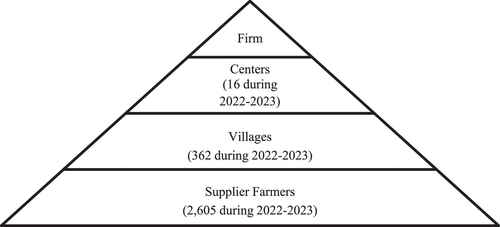
Note. The firm’s operations within each center were carried out by a distinct field officer, with the only exceptions being that one large center had two field officers and that two small centers had the same field officer because of their proximity.
Our research was conducted during the 2022–2023 season, with a view to testing potential interventions that could encourage its supplier farmers to adopt more climate-friendly agricultural practices in order to reduce their GHG emissions. In addition to working closely with the firm itself, we also carried out field interviews with the farmers.4 In these interviews, several farmers indicated that they found the field officer visits beneficial for growing Crop X (e.g., interviews [1] and [2] in Online Appendix S1) and for maintaining their engagement with the firm (e.g., interviews [2] and [3] in Online Appendix S1). Our interviews also suggested two significant priorities of the farmers not addressed by the firm’s original sourcing program. The first priority was for customized support for growing Crop X in line with their specific agricultural context (e.g., interviews [4] and [5] in Online Appendix S1),5 which would require access to a reliable soil-testing service to first establish a detailed understanding of the farmer’s specific growing conditions.6 The second priority pertained to broader yet still customized agricultural advice on issues, such as weather, crop diseases, pests, and seed varieties, that could relate to any of the multiple crops that farmers grew (e.g., interviews [6] and [7] in Online Appendix S1). Regarding their openness to adopting any new firm-recommended practices, some farmers expressed a willingness to do so as long as it did not compromise their economic well-being (e.g., interview [8] in Online Appendix S1).
Following the farmer interviews, we conducted a pre-experiment survey to collect baseline data from all 2,605 farmers who had signed up for the firm’s 2022–2023 sourcing program.7 Farmer responses to the relevant questions (listed in Online Appendix S2) were consistent with the suggestive findings from our pre-experiment interviews. For example, the average rating for “the potential value of the firm providing customized advice for Crop X in the future” was 4.43 (on a 5-point Likert scale, with “1” being “not important at all” and “5” being “very important”), and the average rating for “the potential value of the firm also providing broader customized advice beyond Crop X in the future” was 4.41. The survey also revealed that 47.3% of farmers had never used any soil-testing service. Among those who had, 33.1% either had not received the soil test report or did not find it to be helpful because of the overly technical nature of the report. These results strengthen the rationale for considering the inclusion of a soil-testing service and customized agricultural advisory services in the design of our interventions.
2.3. Intervention Design and Preregistered Hypotheses
Our intervention design drew upon prior research on the adoption of agricultural practices among smallholder farmers (Jack 2013, Cole and Fernando 2021). Several government or development programs have sought to achieve this in the past through the provision of “extension services” by field agents but with mixed success (Birner and Anderson 2007). Insufficient institutional capacity, dispersed populations, and limited infrastructure have often prevented the services from being delivered in a reliable and timely manner (Glendenning et al. 2010). The knowledge provided is often too generic, too technical, or of limited relevance in the field (Suri 2011, Jack 2013, Cole and Fernando 2021). Given the poor history of such services, a critical barrier to adoption of any new practices is often farmers’ lack of trust in the advice as they perceive adoption of unfamiliar practices as risky (Piñeiro et al. 2020, Amghani et al. 2025). Our interventions sought to overcome this challenge by building on the idea (as described in Section 2.1) that the farmers’ reluctance could be overcome by complementing training on the climate-friendly practices with relational investments directed toward addressing the farmers’ agricultural priorities through more customized and context-relevant agricultural advisory services (as described in Section 2.2). The expected mechanism to achieve the desired outcomes was that by serving as a signal of the firm’s commitment to the farmers’ economic well-being, these investments would enhance the farmers’ trust in the firm and convince them that the firm would not recommend practices that were not in the farmers’ best interest.
Prior research indicates that many farmers, particularly smallholder farmers in emerging economies, employ agricultural practices that leave significant room for reducing their environmental externalities without compromising their economic productivity (Cui et al. 2018, Poore and Nemecek 2018). Two practices that have been particularly highlighted are excessive land tillage (Bhan and Behera 2014, Rahman et al. 2021) and overuse of inorganic fertilizers (Duflo et al. 2011, West et al. 2014, Springmann et al. 2018). Our interviews with agricultural experts as well as our pre-experiment survey data confirm that both of these issues were also prominent among the farmers in our study sample.8 In line with scientific recommendations from agronomy (Han et al. 2016, Townsend et al. 2016, Haddaway et al. 2017, Menegat et al. 2022), we, therefore, collaborated with the firm to design a training program that could provide farmers with knowledge about two climate-friendly practices—reduction in land tillage and reduction in inorganic fertilizer use. Online Appendix S3 summarizes the scientific evidence linking these practices to a reduction in the emission of carbon dioxide (CO2) and nitrous oxide, two GHGs that are prominent in crop production.
Our field experiment was designed to hold the ability of farmers to adopt the climate-friendly practices constant as much as possible by providing them with the same training across conditions while varying their willingness to adopt these practices through the use of relational investments. Our base program (the control group) only added training on the climate-friendly practices to the firm’s original sourcing program. Motivated by the arguments presented in Section 2.1 based on the prior literature (Garcia-Castro and Aguilera 2015, Distelhorst and McGahan 2022, McGahan and Pongeluppe 2023), our two interventions (“Intervention A” and “Intervention B”) additionally included relational investments for the firm to demonstrate tangible value creation for the farmers by addressing their agricultural needs as documented in Section 2.2. In Intervention A, we extended beyond the base program by adding the provision of customized advisory services for growing Crop X by the field officers based on the results from a free soil-testing service that was also included. One limitation of Intervention A’s design was that given its focus only on the crop that the firm was interested in sourcing from the farmers, it could be perceived as somewhat instrumental—which would weaken its value as a signal of the firm’s commitment toward serving the farmers’ interests. Our design of Intervention B, therefore, further prioritized the farmers’ perspective based on our prior observation that the farmers would likely value a broader set of customized advisory services covering all of their agricultural activities and that providing support to improve their productivity even beyond Crop X would serve as a stronger signal of the firm’s commitment as it did not directly benefit the firm.9 One implementation challenge was that the firm’s field officers were only qualified to support Crop X. To address this gap, the firm drew on its central resource pool of expert agronomists and had them visit the farmers to provide the broader set of advisory services. Design of Intervention B, therefore, extended beyond Intervention A by adding one agronomist visit per farmer lasting about an hour to provide customized one-on-one advice and support on any agricultural matter of interest to the farmer.
In summary, our field experiment involved three conditions. The base program only included training on climate-friendly practices. Intervention A was designed to extend this by adding customized crop-specific agricultural advisory services in the form of a free soil-testing service and accompanying advice for Crop X. Intervention B was designed to go further by adding customized crop-specific as well as broader agricultural advisory services not limited to Crop X. We expected both Intervention A and Intervention B to lead to better farmer retention as well as climate-friendly practice adoption, with Intervention B having a stronger effect. We summarize these expectations in the form of two sets of preregistered hypotheses, with the first set of hypotheses (Hypotheses 1a, 2a, and 3a) pertaining to farmer retention and the second set (Hypotheses 1b, 2b, and 3b) pertaining to farmers’ adoption of the climate-friendly practices.10
When the firm provides inducement to its supplier farmers in the form of customized crop-specific advisory services (Intervention A), farmer retention in the program will be greater than when the firm does not provide this inducement (the base program).
When the firm provides inducement to its supplier farmers in the form of customized crop-specific advisory services (Intervention A), farmer adoption of the practices will be greater than when the firm does not provide this inducement (the base program).
When the firm provides inducement to its supplier farmers in the form of customized crop-specific as well as broader advisory services (Intervention B), farmer retention in the program will be greater than when the firm does not provide this inducement (the base program).
When the firm provides inducement to its supplier farmers in the form of customized crop-specific as well as broader advisory services (Intervention B), farmer adoption of the practices will be greater than when the firm does not provide this inducement (the base program).
When the firm provides inducement to its supplier farmers in the form of customized crop-specific as well as broader advisory services (Intervention B), farmer retention in the program will be greater than when the inducement is only in the form of customized crop-specific advisory services (Intervention A).
When the firm provides inducement to its supplier farmers in the form of customized crop-specific as well as broader advisory services (Intervention B), farmer adoption of the practices will be greater than when the inducement is only in the form of customized crop-specific advisory services (Intervention A).
In the sections that follow, we describe our data and methods to test these hypotheses (Section 3), our main findings related to the primary outcomes (Section 4), and post hoc analyses as well as interviews that shed further light on the likely mechanisms underlying our findings (Section 5).11
3. Data and Methods
3.1. Pre-Experiment Data Collection
Our experimental sample consists of the 2,605 smallholder farmers signed up for the firm’s Crop X sourcing program for 2022–2023 (as described in Section 2.2), with each farmer belonging to 1 of the 362 villages that the program covered (Figure 1).12 Following prior field experiments involving agricultural interventions in similar settings (Cole and Fernando 2021, Barrett et al. 2022), we conducted randomization at the village level.13 In particular, we adopted a stratified randomization approach where villages within each of the 16 centers were randomly assigned to one of our three experimental groups. As a result, 127 villages were assigned to the base program, 120 villages were assigned to Intervention A, and 115 villages were assigned to Intervention B (Figure 2).14 We merged farmer-level proprietary data from the firm with publicly available socioeconomic data for the villages where they lived (Asher et al. 2021). Given the scarcity of sources providing individual-level data for contexts like ours (Beaman et al. 2021, Dillon et al. 2021), we also implemented a pre-experiment survey as described earlier (Figure 2 and Online Appendix S2).
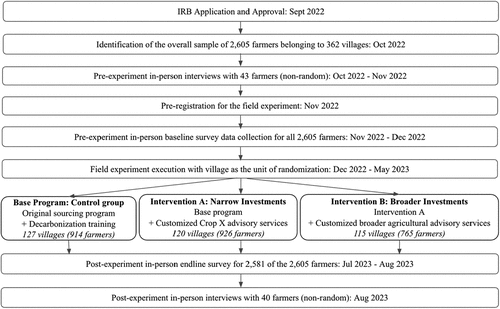
Notes. We used a stratified randomization strategy wherein villages within each center were randomly assigned to one of three experimental conditions: the base program, Intervention A, and Intervention B. Although the unit of randomization was the village, all activities associated with a given intervention as well as with both the pre-experiment and post-experiment surveys were carried out at the level of individual farmers within each village.
3.2. Implementation of the Experimental Interventions
The farmers in all experimental conditions were introduced to the program in the same fashion (Table 1) and received the same training on climate-friendly practices. The respective field officer visited each of the farmers approximately five times during the season, offering relatively general advice for Crop X in the base program but customized advice about Crop X (according to the farmer’s specific soil conditions as revealed in a free soil-testing service) in Intervention A and Intervention B. Further, an agronomist visit involving customized advice on any of the farmer’s matters of agricultural interests (related to any crop that they grew and not just Crop X) took place once in the season only in Intervention B. Both the field officers and the agronomists were trained by the authors of this study to convey a standardized message to the farmers that adopting the recommended practices would lead to “economic benefits from short-term cost savings as well as productivity increase (from optimized use of the agricultural inputs and time) and longer-term soil health improvement (from more appropriate nutrient management), with a secondary benefit of the practices also being better for the environment.”15
|

Table 1. Details of the Interventions Involved in the Field Experiment
| Base program | Intervention A | Intervention B | |
|---|---|---|---|
| Script for introducing the program to a farmer | “Dear Farmer, thank you for being a valuable member of the <Sourcing> Program (2022–2023). We would like to give you more information about the several benefits you will receive as a member of this program this agricultural season. <The Firm> is working toward empowering our member farmers by investing in them, focusing on supporting farmers with access to relevant agricultural tools, resources and partnerships that they need to improve crop productivity, enhance agricultural incomes and preserving natural resources such as soil and water.” | ||
| Script for explaining the program’s benefits to the farmer | “The benefits available to you as part of the program this agricultural season include:
We hope these features help you benefit the most from the program and we look forward to a lasting relationship with you.” | “The benefits that are available to you as part of the program this agricultural season include:
We hope these features help you benefit the most from the program and we look forward to a lasting relationship with you.” | “The benefits that will be available to you as part of the program this agricultural season include:
We hope these features help you benefit the most from the program and we look forward to a lasting relationship with you.” |
| Advisory services provided to the farmer during the season |
|
|
|
3.3. Post-experiment Data and Outcome Variables
Subsequent to our experimental interventions (carried out from December 2022 to May 2023), we organized a post-experiment survey (during July to August 2023) (see Figure 2).16 To ensure a high response rate and reliable data collection, the survey was administered one on one in person by an independent professional agency. During the data collection visits to the farmers, this agency did not make any reference to our experimental interventions or the desirability of particular responses.
We constructed two environment-related outcome variables for farmers’ adoption of the firm-recommended climate-friendly practices (already described in Online Appendix S3). The first is Tillage, a count measuring the extent of soil turning employed by a farmer. The second is Inorganic fertilizer, defined as the average of two kinds of inorganic fertilizers—diammonium phosphate (DAP) and urea—used by the farmer (in kilograms per hectare). Both Tillage and Inorganic fertilizer were measured pre-experiment as well as post-experiment via in-person surveys. In line with our earlier description of the metrics used by the firm to track the overall success of its program, we also constructed two business-related outcome variables to capture information on farmer retention. The first is Continuation, a binary indicator of the farmer’s intention to continue in the following year (1 = if the farmer intended to stay in the program and 0 = otherwise). The second metric, Land allocated, gauges the farmer’s intended land allocation for Crop X for the following year’s program (measured in hectares and set to zero if the farmer did not intend to continue in the program). Unlike Continuation, which is only measured post-experiment, Land allocated was also measured pre-experiment (for the current year).
3.4. Summary Statistics and Balance Check
Our data include seven village-level variables (panel A of Table 2): Total population, Village area, Literacy rate, Rural poverty rate, Agriculture main income, Daily hours power, and Night light. The average village had a population of 3,064, an area of 844 hectares, a literacy rate of 63%, a poverty rate of 18%, agriculture as the main source of income for 44% of residents, and access to electricity for about 18 hours a day. Our data set also includes several farmer-level variables (panel B of Table 2): Age, Household size, No formal education, Only primary education, Land area, Land ownership, and Agriculture primary source of income. The average age of the farmers in our sample was 42 years, 19% of them possessed at most a primary education, the average size of the land that they farmed was 4.74 hectares, 84% of the land farmed was owned by the respective farmer, 88% of the farmers relied on agriculture as their primary source of income, and their average household size was seven.
|
Table 2. Village-Level Summary Statistics and Balance Check for the Randomization and Farmer-Level Summary Statistics
| Variable | Description | Base program | Intervention A | Intervention B | Full sample |
|---|---|---|---|---|---|
| Panel A: Village-level summary statistics and balance check for the randomization | |||||
| Total population | The village’s population as per the Government of India’s 2011 census data documented in Asher et al. (2021) | 3,379.73 (3,806.62) | 3,056.79 (3,696.86) | 2,723.33 (3,230.86) | 3,064.19 (3,595.41) |
| Village area | Total area of the village as per the Government of India’s 2011 census data documented in Asher et al. (2021) | 908.49 (704.69) | 844.46 (527.97) | 771.91 (521.11) | 843.53 (594.90) |
| Literacy rate | Share of the village’s population that can read and write as per the Government of India’s 2011 census data documented in Asher et al. (2021) | 0.63 (0.06) | 0.62 (0.06) | 0.63 (0.06) | 0.63 (0.06) |
| Rural poverty rate | Share of the village’s population living on less than 31 INR per day as per the Government of India’s 2012 socioeconomic data documented in Asher et al. (2021) | 0.17 (0.12) | 0.18 (0.13) | 0.17 (0.12) | 0.18 (0.12) |
| Agriculture main income | Share of the population with agriculture as the main source of income as per the Government of India’s 2012 socioeconomic data documented in Asher et al. (2021) | 0.44 (0.21) | 0.45 (0.19) | 0.44 (0.20) | 0.44 (0.20) |
| Daily hours power | Average of the daily summer and winter hours of electric power available in the village as per the Government of India’s 2011 census data documented in Asher et al. (2021) | 17.33 (4.59) | 17.47 (4.76) | 18.25 (5.67) | 17.67 (5.02) |
| Night light | A measure of night light luminosity based on 2013 satellite data documented in Asher et al. (2021) | 119.57 (104.23) | 119.68 (108.83) | 111.85 (94.23) | 117.17 (102.54) |
| Observations (villages) | 127 | 120 | 115 | 362 | |
| Panel B: Farmer-level summary statistics | |||||
| Age | Age of the farmer in years | 41.73 (8.13) | 41.76 (7.77) | 42.90 (8.79) | 42.08 (8.22) |
| Household size | Total members in the farmer’s household | 7.10 (2.70) | 6.88 (2.61) | 7.22 (2.61) | 7.05 (2.64) |
| No formal education | Indicator variable for whether the farmer completed any formal schooling | 0.05 (0.21) | 0.10 (0.30) | 0.05 (0.23) | 0.07 (0.25) |
| Only primary education | Indicator variable for whether the farmer completed primary education (classes 1–5) | 0.10 (0.31) | 0.12 (0.33) | 0.12 (0.33) | 0.12 (0.32) |
| Land area | Total land in hectares used by the farmer for all agricultural purposes | 4.48 (3.26) | 4.88 (3.78) | 4.88 (4.70) | 4.74 (3.92) |
| Land ownership | Fraction of the farmer’s agricultural land that is fully owned by them | 0.84 (0.24) | 0.84 (0.24) | 0.84 (0.25) | 0.84 (0.24) |
| Agriculture primary source of income | Indicator variable for whether agriculture is the primary source of income for the farmer’s household | 0.86 (0.35) | 0.90 (0.30) | 0.88 (0.32) | 0.88 (0.33) |
| Observations (farmers) | 914 | 926 | 765 | 2,605 | |
Notes. The village-level averages are reported as the main statistics in panel A, with standard deviations in parentheses. The villages for which a given variable’s value was missing (about 3% of the cases on average) were excluded in calculating these summary statistics. As a formal statistical test for the balance check, we carried out pair-wise t-tests for each of the variables for Intervention A as well as Intervention B relative to the base program (our control group). Among the 14 t-tests following this procedure (7 variables × 2 sets of comparisons), the equality of means could not be rejected in any of the cases (at p = 0.05), indicating that the sample is well balanced and that our randomization process did work as expected. The farmer-level averages are reported as the main statistics in panel B, with standard deviations in parentheses. Our data on these farmer-level variables comes from our pre-experiment survey carried out one on one in person with the farmers. The few instances in which data are missing (only four cases) were excluded in calculating the statistics. INR, Indian rupee.
As our unit of randomization is the village, a balance check is also required at the village level. Comparing averages of the village-level characteristics for the three experimental groups (as reported in panel A of Table 2) suggests that the subsamples are comparable. As a formal balance check, we also carried out pair-wise t-tests for each of the variables for Intervention A as well as Intervention B relative to the base program. The equality of means could not be rejected in any of the cases (p = 0.05), indicating once more that our sample is well balanced and that our randomization had worked as expected.
3.5. Econometric Approach
We carry out regression analysis at the farmer level to use all available data (Angrist and Pischke 2009) while clustering standard errors at the village level as the unit of randomization (Bertrand et al. 2004, Cameron and Miller 2015, Abadie et al. 2023, Roth et al. 2023). Our first model involves comparing post-experiment outcomes across conditions, which is econometrically valid given our randomized design (Glennerster and Takavarasha 2013, Mian and Sufi 2014, Dimitriadis and Koning 2022):
Our second regression model additionally includes pre-experiment information when available. Given that we have only two time periods (pre-experiment versus post-experiment), this can be implemented as a cross-sectional model where the dependent variable is the change in outcome between the two periods (Card 1992, Angrist and Pischke 2009, Boulongne et al. 2024):
4. Analyses of Primary Outcomes
4.1. Univariate Analysis
Figures 3 and 4 presents the post-experiment means for our primary outcome variables—the business outcomes Continuation (Figure 3(a)) and Land allocated (Figure 3(b)) and the environmental outcomes Tillage (Figure 4(a)) and Inorganic fertilizer (Figure 4(b))—across the three experimental groups. Panel A of Table 3 presents the difference of means for all four cases and a DID calculation for three of the four variables for which both pre-experiment and post-experiment values are defined; it also presents the corresponding t-statistics for statistical significance.
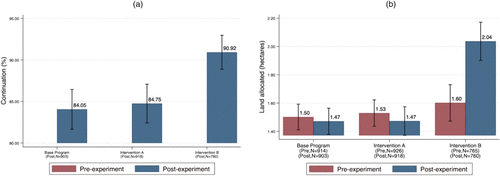
Notes. Vertical bars indicate 95% confidence intervals. Continuation was measured only post-experiment. Land allocated was measured pre-experiment as well as post-experiment. Panel (a) shows that the post-experiment mean for Continuation is not meaningfully different from zero for Intervention A (p = 0.68), whereas that for Intervention B is 6.87 percent points greater than for the base program (8.2% increase; p = 0.00). Panel (b) shows that the post-experiment mean for Land allocated for Treatment A is also not meaningfully different from that for the base program (p = 0.98), whereas that for Intervention B is 0.57 hectares greater than that for the base program (38.8% increase; p = 0.00). For both Continuation and Land allocated, direct comparison confirms that Intervention B had a stronger impact than Intervention A (p = 0.00).
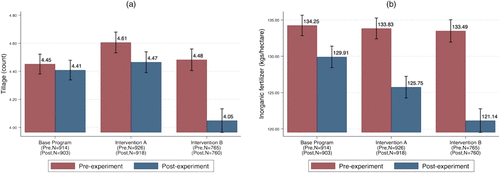
Notes. Vertical bars indicate 95% confidence intervals. Tillage and Inorganic fertilizer were both measured pre-experiment as well as post-experiment. Panel (a) shows that the post-experiment mean for Tillage (count) for Treatment A is statistically indistinguishable from that for the base program (p = 0.28), whereas that for Intervention B is 0.36 less than that for the base program (8.16% decrease; p = 0.00). Panel (b) shows that the post-experiment mean for Inorganic fertilizer for Treatment A is 4.16 kg/hectare less than that for the base program (3.20% decrease; p = 0.00), whereas that of Intervention B is 8.77 kg/hectare less than that for the base program (6.75% decrease; p = 0.00). For both Tillage and Inorganic fertilizer, direct comparison confirms that Intervention B had a stronger impact than Intervention A (p = 0.00).
|
Table 3. Summary Statistics for the Primary Outcome Variables and Multivariate Regression Analysis for the Primary Outcome Variables
| Panel A: Summary statistics for the primary outcome variables | ||||||||||||||||
|---|---|---|---|---|---|---|---|---|---|---|---|---|---|---|---|---|
| Primary business outcomes | Primary environmental outcomes | |||||||||||||||
| Continuation (indicator) | Land allocated (in hectares) | Tillage (count) | Inorganic fertilizer (in kg/hectare) | |||||||||||||
| Pre | Post | Post – Pre | DID | Pre | Post | Post – Pre | DID | Pre | Post | Post – Pre | DID | Pre | Post | Post – Pre | DID | |
| Base program | — | 0.84 (0.012) | — | — | 1.50 (0.046) | 1.47 (0.047) | −0.03 (0.050) | — | 4.45 (0.036) | 4.41 (0.036) | −0.04*** (0.016) | — | 134.25 (0.716) | 129.91 (0.752) | −4.30*** (0.399) | — |
| Intervention A | — | 0.85 (0.012) | — | — | 1.53 (0.048) | 1.47 (0.052) | −0.05 (0.045) | −0.02 (0.067) | 4.61 (0.038) | 4.47 (0.038) | −0.13*** (0.020) | −0.09*** (0.026) | 133.83 (0.731) | 125.75 (0.757) | −7.97*** (0.525) | −3.67*** (0.661) |
| Intervention B | — | 0.91 (0.010) | — | — | 1.60 (0.066) | 2.04 (0.069) | 0.43*** (0.065) | 0.46*** (0.081) | 4.48 (0.039) | 4.05 (0.043) | −0.43*** (0.033) | −0.39*** (0.035) | 133.49 (0.782) | 121.14 (0.826) | −12.27*** (0.631) | −7.97***(0.724) |
| Panel B: Multivariate regression analysis for the primary outcome variables | ||||||||
|---|---|---|---|---|---|---|---|---|
| (1) Continuation (Post) | (2) Δ Continuation (Post – Pre) | (3) Land allocated (Post) | (4) Δ Land allocated (Post – Pre) | (5) Tillage (Post) | (6) Δ Tillage (Post – Pre) | (7) Inorganic fertilizer (Post) | (8) Δ Inorganic fertilizer (Post – Pre) | |
| Intervention A | 0.010 | — | −0.077 | −0.067 | −0.103 | −0.108*** | −4.143** | −2.794** |
| (0.024) | — | (0.086) | (0.090) | (0.082) | (0.040) | (1.793) | (1.106) | |
| Intervention B | 0.068*** | — | 0.442*** | 0.484*** | −0.496*** | −0.403*** | −10.062*** | −8.158*** |
| (0.024) | — | (0.102) | (0.110) | (0.088) | (0.063) | (1.911) | (1.134) | |
| Observations | 2,416 | — | 2,416 | 2,416 | 2,416 | 2,416 | 2,416 | 2,416 |
| Farmer- and village-level controls | Yes | — | Yes | Yes | Yes | Yes | Yes | Yes |
| Center FE | Yes | — | Yes | Yes | Yes | Yes | Yes | Yes |
Notes. Standard errors are shown in parentheses in panel A. For Continuation, Post – Pre and the difference-in-differences (DID) statistics are not calculated as this outcome is only defined for the post-experiment period. For the remaining outcomes (Land allocated, Tillage, and Inorganic fertilizer), the DID statistics are calculated for both Intervention A and Intervention B relative to the base program (our control group). The DID estimate for Land allocated for Intervention A is indistinguishable from zero (p = 0.77), whereas that for Intervention B is 0.46 hectares (30.67% increase over the base program pre-experiment; p = 0.00). The DID statistic for Tillage is −0.09 (2.02% decrease; p = 0.00) for Intervention A and −0.39 (8.76% decrease; p = 0.00) for Intervention B. Finally, the DID statistic for Inorganic fertilizer is −3.67 kg/hectare (2.73% decrease; p = 0.00) for Intervention A and −7.97 kg/hectare (5.94% decrease; p = 0.00) for Intervention B. Overall, there is thus mixed evidence for impact of Intervention A and stronger evidence for impact of Intervention B. Robust standard errors clustered at the village level (our unit of randomization) are reported in parentheses in panel B. The coefficient estimates for the farmer- and village-level controls, the center fixed effects (FEs), and the constant terms are not shown to save space (available upon request). The sample size used here is 2,416 farmers instead of 2,605 in our original sample because of two reasons together leading to 189 observations (7% of the original sample) being dropped. First, 24 farmers could not be surveyed post-experiment because of their unavailability (although there is no statistical difference in attrition rates across the experimental groups). Second, there were missing values for one or more of the control variables in 165 cases (although findings remain similar if we simply exclude the control variables with missing values to employ the complete sample in analysis).
**p < 0.05; ***p < 0.01.
As the notes accompanying Figures 3 and 4 and panel A of Table 3 detail, for Intervention B, we find a significant impact for all four variables. For Intervention A, there is some (but weaker) effect for the environmental outcomes but none for the business outcomes. Statistical tests confirm that Intervention B has a greater impact than Intervention A for all four variables (Figures 3 and 4). For the business outcomes, we thus have consistent support for Hypotheses 2a and 3a but not for Hypothesis 1a. For the environmental outcomes, we have consistent support for Hypotheses 2b and 3b but have support for Hypothesis 1b only in the DID analysis. We now use multivariate regressions to investigate further.
4.2. Multivariate Regression Analysis
Panel B of Table 3 reports regression estimates for all four of our primary outcome variables. For brevity, we discuss the findings for the respective preferred model for each: Equation (1) for Continuation and Equation (2) for Land allocated, Tillage, and Inorganic fertilizer.17
In column (1) in panel B of Table 3, which uses Equation (1) for Continuation (our first business outcome), the estimated effect for Intervention A is indistinguishable from zero (p = 0.68). The corresponding estimate for Intervention B is 0.068 (p = 0.01), implying that 6.84% more farmers expressed an intention to continue with the firm in Intervention B than in the base program. In column (4) in panel B of Table 3, which uses estimation Equation (2) for Land allocated (our second business outcome), the estimate for Intervention A is again indistinguishable from zero (p = 0.45). The estimate for Intervention B is 0.484 hectares (p = 0.00), implying that the farmers in Intervention B planned to allocate 0.484 hectares more land to grow Crop X for the firm next season relative to those in the base program. A direct comparison between the estimates for Intervention A and Intervention B rejects their equality in both cases (p = 0.00).
In column (6) in panel B of Table 3, which uses Equation (2) for Tillage (our first environmental outcome), the estimated treatment effect for Intervention A is −0.108 (p = 0.01), whereas that for Intervention B is −0.403 (p = 0.00). In other words, Intervention A reduced tillage count by 0.108 and Intervention B reduced tillage count by 0.403 relative to the base program. Finally, in column (8) in panel B of Table 3, which uses Equation (2) for Inorganic fertilizer (our second environmental outcome), the estimated coefficient for Intervention A is −2.794 kg/hectare (p = 0.01), and that for Intervention B is −8.158 kg/hectare (p = 0.00). This implies that farmers in Intervention A and Intervention B reduced inorganic fertilizer usage by 2.794 and 8.158 kg/hectare, respectively, relative to farmers in the base program.18 Direct statistical comparison between the estimates for Intervention A and Intervention B once more rejects their equality in both cases (p = 0.00).
To summarize the findings from our multivariate analysis, the null hypothesis is rejected (in the respective preferred models) for Hypotheses 1b, 2a, 2b, 3a, and 3b but not for Hypothesis 1a. In other words, the qualitative findings are almost identical to those from our univariate analysis, the only difference being that the null hypothesis is also rejected for Hypothesis 1b. For Intervention A, we find a treatment effect in line with our hypotheses only for both of our two environmental outcomes but not for either of our two business outcomes. In contrast, for Intervention B, we find a strong treatment effect for both business outcomes and both environmental outcomes. Each of the four estimated effects is greater in a statistically and economically meaningful way for Intervention B than for Intervention A.
4.3. Indicative Cost-Benefit Analysis
We now evaluate the relative cost-effectiveness of Intervention A and Intervention B while noting that our calculations are meant to be suggestive and are sensitive to assumptions. On the cost side (row 10 in Online Appendix S8a), the firm’s main incremental cost for Intervention A (relative to the base program) is the 700 Indian rupees (INR; U.S. dollars (USD) 8.43) per farmer for the soil-testing service.19 Because existing field officer visits also cover customized support specific to Crop X, there is very little further incremental cost apart from these in Intervention A. However, Intervention B also incurs a cost of about 600 INR (USD 7.23) for each agronomist visit, bringing its incremental cost per farmer to about 1,300 INR (USD 15.67).20
On the benefits side, emissions reductions come from reduced tillage as well as less inorganic fertilizer use. For Intervention A, the emissions reduction is about 17.78 CO2-equivalent kg per farmer (row 7 in Online Appendix S8a), a reduction of 2.11 kg per incremental dollar spent on the intervention (row 12 in Online Appendix S8a). For Intervention B, the corresponding estimate is 60.17 CO2-equivalent kg per farmer (row 7 in Online Appendix S8a), a reduction of 3.84 CO2-equivalent kg per incremental dollar (row 12 in Online Appendix S8a).21 Considering these numbers and our earlier cost estimates, Intervention A costs about USD 474 per ton of carbon dioxide-equivalent emissions (tCO2e) reduced (row 13 in Online Appendix S8a), whereas Intervention B costs about USD 260 per tCO2e reduced (row 13 in Online Appendix S8a).22
The cost estimate of USD 260 per tCO2e reduction for Intervention B, although lower than that for Intervention A, is greater than the social cost of carbon that most policymakers employ.23 However, the total societal benefit of our interventions extends beyond their environmental impact as they also deliver a positive impact for relatively low-income farmers. Although we cannot quantify this fully, we can at least estimate the farmers’ cost savings from reduced spending on inorganic fertilizers (DAP and urea) and diesel (because of less tillage). As per this calculation (row 7 in Online Appendix S8b), these incremental savings add up to about 403 INR (USD 4.85) per farmer for Intervention A and about 1,354 INR (USD 16.31) per farmer for Intervention B.24 A further argument for choosing Intervention B over Intervention A could be made based on our previous finding that Intervention B is also better for farmer retention.
5. Further Analyses
To establish robustness of our findings and further explore the mechanisms underlying them, we present analysis of additional outcomes from our archival and survey data, analyze relational investment as a potential mediator, and highlight key observations from our exploratory post-experiment interviews.
5.1. Analysis of Additional Outcomes
Table 4 presents analyses based on three additional outcome variables to help test the robustness of our prior results and further explore the possibility of an underlying relational mechanism. Column (1) in Table 4 starts with the analysis of the first of these outcomes: Sold Crop X to other buyers. Derived from the firm’s proprietary data from the procurement centers, this indicator captures whether a given farmer sold some of their Crop X produce to other buyers as well or sold all of their produce exclusively to the focal firm. The regression estimates indicate that the fraction of farmers who sold to other buyers is practically indistinguishable in Intervention A versus the base program, (p = 0.61). In contrast, the fraction selling to other buyers dropped by four percentage points for Intervention B (p = 0.08), a 35% decrease relative to the fraction for the base program (where 11.6% of the farmers sold to other buyers). In other words, there is evidence even beyond our survey-based data that farmers in Intervention B were more likely to stay with the firm, lending robustness to our main findings related to farmer retention.
|
Table 4. Exploratory Regression Analysis for Three Additional Outcome Variables
| (1) Sold Crop X to other buyers (indicator variable) | (2) Willingness to adopt recommended practices (7-point Likert scale) | (3) Perception of firm investment in relationship (7-point Likert scale) | |
|---|---|---|---|
| Intervention A | 0.012 | 0.396*** | 0.740*** |
| (0.023) | (0.108) | (0.109) | |
| Intervention B | −0.041* | 1.897*** | 1.985*** |
| (0.023) | (0.108) | (0.105) | |
| Observations | 2,439 | 2,416 | 2,416 |
| Farmer- and village-level controls | Yes | Yes | Yes |
| Center FE | Yes | Yes | Yes |
Notes. Robust standard errors clustered at the village level (our unit of randomization) are reported in parentheses. The coefficient estimates for the farmer- and village-level controls, the center fixed effects (FEs), and the constant terms are not shown to save space (available upon request). The outcome Sold Crop X to other buyers employed in column (1) is an indicator defined using the firm’s proprietary data for whether a given farmer also sold their Crop X produce to buyers other than our partner firm. The outcomes in columns (2) and (3) are based on a seven-point Likert scale (derived from questions in our post-experiment survey). Willingness to adopt firm recommended practices measures how willing a farmer said they would be to adopt agricultural practices recommended by the firm, and Perception of firm investment in relationship measures the extent to which a farmer thought the firm had invested in the relationship with them. The sample size is 2,439 (instead of 2,605 farmers in our original sample) in column (1) as the post-experiment Crop X sales data were not available for one farmer and one or more of the control variables were missing values for 165 farmers (although the findings remain similar if we simply exclude the controls with missing values from our regression models to employ a more complete sample). The sample size is 2,416 (instead of 2,605 farmers in our original sample) in columns (2) and (3) as 24 farmers were not available to be surveyed post-experiment (although there is no statistical difference in attrition across the experimental groups), and there were missing values for one or more of the control variables for 165 farmers (with, as already mentioned, the findings remaining robust to excluding the control variables with missing values to employ a more complete sample).
*p < 0.10; ***p < 0.01.
Columns (2) and (3) in Table 4 present analyses based on two additional variables that we derived from our post-experiment farmer survey (based on a seven-point Likert scale).25 The analysis reported in column (2) in Table 4 employs the first of these variables: Willingness to adopt recommended practices. We find a significant treatment effect of 0.396 for Intervention A (p = 0.00) and 1.897 for Intervention B (p = 0.00) for this outcome, with a t-test rejecting equality of the two. In other words, our interventions significantly increased farmers’ willingness to adopt the climate-friendly practices, with the effect being more pronounced for Intervention B, consistent with our main analysis. The analysis reported in column (3) in Table 4 is based on the second variable: Perception of firm investment in relationship. We find a treatment effect of 0.740 for Intervention A (p = 0.00) and 1.985 for Intervention B (p = 0.00), with a t-test again rejecting their equality. Put differently, farmers in both interventions appreciated the relational investment made by the firm, with the effect being stronger for Intervention B than Intervention A.
5.2. Mediation Analysis Exploring a Relational Mechanism
We now explore whether the variable Perception of the firm investment in relationship discussed above could have served as a mediator for our main treatment effects.26 We start with a conventional mediation analysis (Baron and Kenny 1986) before also presenting an average causal mediation effect (ACME) analysis to quantify the likely extent of mediation (Imai et al. 2011, Dimitriadis and Koning 2022).
For ease of interpretation, the four odd-numbered columns in Table 5 reproduce the results from the preferred specifications from panel B of Table 3, and the even-numbered columns in Table 5 report how the estimates for Intervention A as well as Intervention B change when the variable Perception of firm investment in relationship is added to the regression models. For all four primary outcome variables, we find a significant drop in the magnitude of the estimated coefficient for each of the cases where the treatment effect was significant to start with (irrespective of whether it involved Intervention A or Intervention B). However, the mediation is partial; the only case where the hypothesis of a previously significant treatment effect estimates now being zero cannot be rejected (even at p = 0.10) is for Continuation for Intervention B.
|
Table 5. Conventional Mediation Analysis Exploring the Possibility of a Relational Mechanism
| (1) Continuation (Post) | (2) Continuation (Post) | (3) Δ Land allocated (Post – Pre) | (4) Δ Land allocated (Post – Pre) | (5) Δ Tillage (Post – Pre) | (6) Δ Tillage (Post – Pre) | (7) Δ Inorganic fertilizer (Post – Pre) | (8) Δ Inorganic fertilizer (Post – Pre) | |
|---|---|---|---|---|---|---|---|---|
| Intervention A | 0.010 | −0.007 | −0.067 | −0.157* | −0.108*** | −0.073* | −2.794** | −2.063* |
| (0.024) | (0.023) | (0.090) | (0.093) | (0.040) | (0.040) | (1.106) | (1.117) | |
| Intervention B | 0.068*** | 0.022 | 0.484*** | 0.245** | −0.403*** | −0.309*** | −8.158*** | −6.195*** |
| (0.024) | (0.022) | (0.110) | (0.121) | (0.063) | (0.061) | (1.134) | (1.116) | |
| Perception of firm investment in relationship | 0.023*** | 0.121*** | −0.047*** | −0.989*** | ||||
| (0.006) | (0.028) | (0.014) | (0.277) | |||||
| Observations | 2,416 | 2,416 | 2,416 | 2,416 | 2,416 | 2,416 | 2,416 | 2,416 |
| Farmer- and village-level controls | Yes | Yes | Yes | Yes | Yes | Yes | Yes | Yes |
| Center FE | Yes | Yes | Yes | Yes | Yes | Yes | Yes | Yes |
Notes. Robust standard errors clustered at the village level (our unit of randomization) are reported in parentheses. The coefficient estimates for the farmer- and village-level controls, the center fixed effects (FEs), and the constant terms are not shown to save space (available upon request). The sample size used here is 2,416 farmers instead of 2,605 in our original sample because of two reasons together leading to 189 observations (7% of the original sample) being dropped. First, 24 farmers could not be surveyed post-experiment because of their unavailability (although there is no statistical difference in attrition rates across the experimental groups). Second, there were missing values for one or more of the control variables in 165 cases (although findings remain similar if we simply exclude the control variables with missing values to employ the complete sample in analysis).
*p < 0.10; **p < 0.05; ***p < 0.01.
We now extend the above investigation via an ACME analysis that quantifies the likely extent of mediation (Online Appendices S10a and S10b). In particular, the fraction of total effect mediated by Perception of firm investment in relationship seems economically meaningful in all four cases for Intervention B, with this fraction being larger for the business outcomes (51.9% and 45.2%, respectively, for Continuation and Land allocated) than for the environmental outcomes (19.5% and 22.0%, respectively, for Tillage and Inorganic fertilizer). On the whole, there is thus some evidence that Perception of firm investment in relationship, whose average value is stronger for Intervention B than Intervention A, could have served as a (partial) mediator driving our main experimental findings.
5.3. Illustrative Post-experiment Field Interviews
In order to help further interpret the quantitative findings documented above, we carried out post-experiment interviews with 40 of the farmers in our sample.27 Two observations emerge from these interviews, which we elaborate on here using highlights from some of the interviews as illustrations.
Our first observation is that in line with the rationale behind our intervention design as well as the mediation analysis in Section 5.2, several farmers suggested that the firm’s additional investments in Intervention A or Intervention B had led them to perceive the relationship with the firm as being more valuable, and some noted this as being a primary reason for them adopting the firm-recommended practices (e.g., interviews [3], [4], and [6] in Online Appendix S11). A perception of the firm’s commitment to farmers’ economic well-being came through particularly strongly for farmers in Intervention B. They expressed increased trust because of the firm’s effort to build a deeper relationship and willingness to look beyond its immediate private benefits in the value chain to instead help farmers with broader agricultural matters (e.g., interviews [5], [7], and [8] in Online Appendix S11). Several farmers explicitly expressed appreciation for the advice provided by the expert agronomist as a part of Intervention B (e.g., interviews [5] and [6] in Online Appendix S11). Further, consistent with our quantitative analysis in Online Appendix S8b, several farmers mentioned that the activities that the firm had undertaken as a part of either Intervention A or Intervention B did have a tangible positive impact for them (e.g., by helping save costs) (e.g., interviews [1] and [6] in Online Appendix S11).
Our second observation was that although our intention had been to hold the knowledge about climate-friendly practices constant across our three experimental groups, our interviews revealed that the additional activities carried out in Intervention A and Intervention B sometimes also provided the farmers with knowledge directly related to the practices. For example, some farmers noted that the customized support in the interventions had not only improved their understanding of soil health and nutrient management but also, made them more mindful about optimizing fertilizer usage and tillage in general (e.g., interviews [2] and [7] in Online Appendix S11). It is worth noting, however, that many farmers also shared that additional knowledge per se was not sufficient to ensure adoption and that their trust in the firm still played a critical role in their adoption of the recommended practices (e.g., interviews [5], [6], and [7] in Online Appendix S11).
On the whole, our interview findings are consistent with our mediation analysis in suggesting that our experimental results might, at least to some extent, have been driven by their perception of the firm’s relational investment. At the same time, they also indicate that a combination of relational and knowledge-related mechanisms might have been relevant.
6. Discussion
Firms have often focused their sustainability efforts on their own operations, sometimes deliberately outsourcing their activities with negative externalities (Bansal et al. 2025). However, some firms are taking responsibility for the impacts across their entire value chain (Distelhorst and McGahan 2022, McGahan and Pongeluppe 2023). Our study examines a key challenge that such firms face when pursuing value chain decarbonization; they require the cooperation of suppliers for whom decarbonization might not be a priority and who might perceive the adoption of unfamiliar climate-friendly practices as risky or detrimental for their economic well-being. Our field experiment examines a solution suggested by the new stakeholder theory literature, which is to seek “enfranchisement and alignment of stakeholders with the firm through a reconstruction of the collective’s approach to value creation, appropriation, and distribution” (McGahan and Pongeluppe 2023, p. 7863). In particular, we examine the effectiveness of engaging the suppliers through a “high road” strategy for joint value creation (Garcia-Castro and Aguilera 2015, Garcia-Castro and Francoeur 2016, Distelhorst and McGahan 2022), with an expectation that consistently demonstrating sensitivity toward stakeholder interests across the firm’s activities can enable a simultaneous pursuit of its societal and business goals.
Importantly, eliciting supplier cooperation for value chain decarbonization requires addressing not only their ability but also, their willingness to adopt appropriate practices for reducing their GHG emissions. Our experimental interventions, therefore, complemented the provision of training on appropriate climate-friendly practices (included in the control as well as the treatment conditions) with relational investments demonstrating tangible value creation for the supplier farmers, with a view to use these investments as a signal of the firm’s commitment to the farmers’ economic well-being. We find that our experimental interventions did improve the farmers’ adoption of the climate-friendly practices, the results being stronger for Intervention B (customized agricultural support extending beyond the firm’s value chain) than Intervention A (customized agricultural support only within the firm’s value chain)—in terms of not only the impact realized per farmer but also, the cost-effectiveness of realizing that impact. Furthermore, Intervention B also improved the desired business outcomes related to farmer retention in its sourcing program. However, no effect on the business outcomes was detected for Intervention A. This difference between the business and environmental outcomes for Intervention A is intriguing, although further research is needed to determine whether this difference is generalizable (e.g., driven by the current or future value that suppliers derive affecting the two differently) or whether it is the result of something specific to our study (e.g., the particular outcome variables that we employ).
Although our ex post mediation analysis as well as field interviews suggest that the farmers’ perception of the firm’s relational investment was likely one of the factors driving our findings, we consider this evidence suggestive and not conclusive. Further research is needed to better identify and disentangle the mechanisms driving our findings related to supplier engagement. In particular, although our intention was to hold the provision of knowledge about the climate-friendly practices the same across the experimental conditions and vary only the relational component of the supplier engagement, some of our post-experiment interviews indicate that the knowledge provision component did not always stay constant in the experiment’s implementation. In the process of providing advisory services originally intended only to increase the farmers’ willingness to adopt the desired practices, the field officers (in Intervention A or Intervention B) and the agronomists (in Intervention B) might sometimes have also filled gaps in the farmers’ knowledge in ways that also improved their ability to adopt the practices.
We should also point out two ways in which our data collection methodology was constrained. First, given the difficulty of collecting outcome data for smallholder farmers in rural India, we have relied significantly on surveys (with the exception of the outcome Sold Crop X to other buyers described in Section 5.1). Although our use of a randomized design and third-party surveyors mitigates concerns about systematic bias across conditions, future research should explore the possibility of more objective data collection. Second, although it would have been ideal to also measure the various impacts in the long term (e.g., actual farmer retention rather than their stated intention), further data collection was made unfeasible by organizational changes that led our partner firm to restructure its sourcing program subsequent to our study (for reasons unrelated to the study). We, therefore, have to leave the issue of long-term impacts and durability of the suppliers’ adoption of the desired practices for future research.
Our study was motivated in part by an observation that a large and growing fraction of the global emissions arises in value chains located in emerging economies, where purely contractual solutions to engage suppliers are often impractical because of the prevalence of a fragmented supplier base and a weak institutional infrastructure. We cannot be sure how far our arguments would apply to contexts where even if some of the value chains involve small and low-income suppliers, the transaction costs for contract enforcement are lower than those in our empirical setting. In assessing our study’s generalizability, one might argue that relational mechanisms are likely less relevant in settings with easier enforcement of formal contracts. However, given prior research showing that contractual governance and relational governance can interact in complex ways (Poppo and Zenger 2002, Corts and Singh 2004), more research is needed to investigate this conjecture. It could, for example, be of interest to compare an institutional context like the United States with an emerging economy like India and also, to compare the engagement of large suppliers versus small suppliers within the same emerging economy.
Our study also leaves significant room for examining the issue of spillovers and diffusion of practices. For example, we do not separate the direct effects on a supplier farmer from indirect effects from interactions among farmers, implying that our treatment effects should be interpreted as a combination of the two. Interesting extensions could involve disentangling these effects and also examining the possibility of spillovers extending even to suppliers not in the firm’s program. We should also note that a key challenge to overcome in our empirical setting was the perception of the supplier farmers that adopting decarbonization practices might be risky or detrimental for them. This is different from the challenge another setting might involve if adoption of the corresponding practices is actually not beneficial, and different strategies might be better suited for confronting such trade-offs.
7. Conclusion
Management scholars have been highlighting the role that firms can play in mitigating their negative externalities as well as addressing society’s grand challenges more generally (George et al. 2016, Bansal et al. 2025). Our study examines a global firm’s attempt to viably integrate such a societal agenda into its value chain strategy in a way that builds on its unique resources and capabilities, consistent with an argument that a firm’s societal efforts are more likely to be comparatively efficient when integrated with its core business (Luo and Kaul 2019). We demonstrate how engaging stakeholders, like small suppliers, in a firm’s sustainability initiative requires addressing gaps not only in their ability but also, their willingness to cooperate in the effort and how an appropriate relational investment can serve as a signal of the firm’s commitment toward its exchange partner and thus, help secure their cooperation. Our research thus serves as a useful illustration for deploying and evaluating relational investments as a tool for engaging a firm’s stakeholders for joint value creation (McGahan 2021, 2023).
Recent literature has particularly emphasized the need for firms to pursue their societal agenda in collaboration with their partners (McGahan 2021, Gatignon and Capron 2023), with a focus on finding financially viable ways to work with their stakeholders in order to best address complex collective action problems (Odziemkowska and Dorobantu 2021, Distelhorst and McGahan 2022, McGahan and Pongeluppe 2023). Our study contributes to this literature by examining how a firm can engage with its small suppliers in order to simultaneously pursue its environmental goal of decarbonization, its social goal of promoting the well-being of its low-income suppliers, and its business goal of building a robust and scalable supply chain. Our research is intended as a response to calls for more rigorous empirical research on strategies for engaging a firm’s stakeholders in its overall value creation process (Bridoux and Stoelhorst 2016, Barney 2018) and for considering a broad range of socially important outcomes as dependent variables (McGahan 2023). Therefore, an important goal for us has been to measure the societal impact that our experimental interventions realized and evaluate the relative cost-effectiveness of alternative intervention designs (Lee et al. 2020, Kaul et al. 2025). We hope that this study can inspire further research on the promise as well as the limits of attempts being made by for-profit firms to viably integrate their social, environmental, and business goals.
The authors are grateful to the firm that provided them access and support as the research partner. The authors thank Arzi Adbi, Aparajita Agarwal, Vikas Aggarwal, Michaël Bikard, Laurence Capron, Lucia Del Carpio, Sai Chand Chintala, Sinziana Dorobantu, Vibha Gaba, Aline Gatignon, Javier Gimeno, Maria Guadalupe, Yun Hou, Aseem Kaul, Rupali Kaul, Rem Koning, Hyunjin Kim, Ilze Kivleniece, Matthew Lee, Mike Lee, Jiao Luo, Ahmadreza Mostajabi, Shivani Nandi, Lite Nartey, Kate Odziemkowska, Phanish Puranam, Victoria Sevcenko, Devanshee Shukla, Chiara Spina, Anna Szerb, Thomaz Teodorovicz, Lin Tian, Bengisu Urlu, Bala Vissa, Phebo Wibbens, and Xiaoteng Wu for helpful inputs. This research has also benefited from feedback at the Academy of Management and Strategic Management Society Annual Meetings, the Alliance for Research on Corporate Sustainability Annual Conference, the Asian Management Research Consortium Conference, the Conference on Field Experiments in Strategy Annual Conference, the Non-Market Strategy Research Community Doctoral Conference, the National University of Singapore Sustainable and Green Finance Institute Conference, and the Society for Business Ethics Annual Research Conference as well as at seminar presentations at Georgetown University, Nanyang Technological University, Singapore Management University, the SDA Bocconi School of Management, University College London, and INSEAD. Any errors remain the authors’ own.
1 The term “smallholder farmers” refers to farmers whose landholding is relatively small. For example, the United Nation’s Food and Agricultural Organization uses a threshold of 10 hectares for classification of farmers as smallholders (Food and Agricultural Organization 2013). In contrast, the average landholding for U.S. farmers is 187 hectares (U.S. Department of Agriculture 2022).
2 We secured an institutional review board (IRB) approval before starting our field experiment. This IRB approval covered our pre-experiment as well as post-experiment data collection activities.
3 The firm informed the farmers about seven objective quality parameters evaluated through a transparent and standardized process using a well-recognized digital quality check machine. The farmers were assured that the firm would buy all of their produce at the prespecified price as long as the quality parameters were met. The farmers did not have a comparable assurance outside; although there was a government-mandated floor price for Crop X, it was typically lower than the firm’s guaranteed price, and a buyer was not assured even at that price.
4 As shown in Figure 2, our pre-experiment interviews took place during October and November 2022. These were conducted one on one in person and involved (a nonrandom set of) 43 farmers from 15 villages across seven centers. Each interview lasted about 45 minutes. The interviews were intended not as stand-alone qualitative research but for providing suggestive insights to help design our pre-experiment survey and to contextualize the design of our experimental interventions. Online Appendix S1 provides illustrative quotes from these interviews.
5 The need for adapting support to the local context has also been documented by prior work on the adoption and effectiveness of agricultural technologies and practices (Suri 2011, Abdul Latif Jameel Poverty Action Lab 2023). For instance, access to scientific tools, like soil tests and farmer-friendly information sharing for using them, has been shown to be a potentially impactful service that is often missing (Cole and Sharma 2017).
6 Although soil-testing services were in principle provided by the government in some locations, either they often did not reach farmers in time for the results to be actionable, or the information provided in the test reports was too technical to be useful for a large majority of the farmers who were illiterate or semiliterate.
7 As shown in Figure 2, our pre-experiment baseline survey was conducted during November and December 2022. It was carried out one on one in person with the help of the firm’s staff (unlike the post-experiment survey that we describe later for collecting data on our final outcomes, which was carried out through an independent third party). Online Appendix S2 provides a list of the pre-experiment survey questions used in our study.
8 Prior research has shown that reducing tillage to a count of three or less is better than more intensive conventional tillage systems in terms of soil organic carbon accumulation as well as long-term yield sustainability and typically does not compromise the farmer’s economic well-being (Townsend et al. 2016, Haddaway et al. 2017, Adam and Abdulai 2023). Data from our pre-experiment survey show that 84% of the farmers were carrying out more tillage than that level, leading to excessive emissions from fuel consumption for operating machinery as well as deterioration of soil structure, organic carbon content, and soil health (Online Appendix S3). Similarly, in our discussions with scientists at the Indian Council of Agricultural Research, the recommended optimum inorganic fertilizer application for Crop X was typically less than 125 kilograms (kg) per hectare; our pre-experiment survey indicated that 62% of farmers in our sample were using more inorganic fertilizer than this upper limit.
9 Our pre-experiment survey data indicated that the average land size allocated to Crop X was 1.54 hectares. Over two thirds of a farmer’s average holding of 4.74 hectares were thus used for growing other crops simultaneously.
10 Our preregistration is available at https://osf.io/uce82/?view_only=1ec229570692467ca76892470ab85084. The six hypotheses have been reproduced here with minor refinement of the preregistered wording for clarity.
11 We report our analyses of the preregistered hypotheses and our post hoc exploratory analyses in separate sections in order to have a “clear demarcation between preregistered and post hoc results” (Levine et al. 2023).
12 A power analysis for calculating the minimum detectable effect size is available in Online Appendix S4.
13 Our partner firm suggested that it was impractical to carry out different interventions within the same village. Even if this was doable, there would have been a risk of spillovers as farmers within a village frequently interact.
14 Online Appendix S5 depicts the geographic locations of the 16 centers and also provides the detailed distribution of the villages belonging to each of the 16 centers across our experimental conditions.
15 We tried to account for any systematic differences that might still remain across field staff by using a stratified randomization approach and field officer fixed effects. Hierarchically, field officers are nested under agronomists.
16 The survey included, among other things, questions on the farmers’ agricultural practices as well as their preferences, beliefs, and perceptions. Online Appendix S6 lists the survey question text for the data used in this study.
17 Recall that Continuation was not defined pre-experiment, so it can only be analyzed using Equation (1). As panel B of Table 3 shows, the main insights are unchanged if we use Equation (1) even for the other three outcome variables.
18 The reduced need for inorganic fertilizer use arises through a combination of the possibility of more efficient use of inorganic fertilizer and a partial substitution of inorganic fertilizers by organic fertilizers (Online Appendix S7).
19 Whenever useful, we also provide the corresponding U.S. dollar figures based on the December 2023 exchange rate of approximately 83 INR per USD.
20 Agronomists often combined their travel to the field for Intervention B with travel for other business reasons, making this calculation sensitive to their exact travel planning and how the associated costs are allocated.
21 We have not included emissions from organic fertilizer because organic waste from livestock is a by-product of farmers’ activities. This is consistent with (partial) substitution of inorganic fertilizer by organic fertilizer (where organic waste is already available) being a well-documented way of mitigating emissions (Menegat et al. 2022).
22 The emissions reductions realized in Intervention B are about 19.1% of the total Scope 3 emissions generated from Crop X cultivation and 2.4% of total Scope 3 emissions of the firm’s Crop X value chain in India.
23 However, the estimate does fall within the range of what many scientific studies argue should be the social cost of carbon. For example, Rennert et al. (2022) suggest a “middle” estimate of USD 185 per tCO2e, with a 5%–95% range of USD 44–413 per tCO2e (depending in part on the discount rate), and Zhao et al. (2023) suggest a social cost of carbon that grows from USD 162 per tCO2e in 2020 to USD 1,214 per tCO2e in 2120.
24 These figures do not include the cost saving of 700 INR (USD 8.43) for any farmer who would otherwise have procured a soil test on their own. We have also not modeled other potential farmer benefits, like time savings from reduced tillage and productivity gains from the customized advice from the field officer or the expert agronomist. In addition, optimized tillage and fertilizer use typically also improve a farmer’s soil organic carbon content and soil fertility in the long term (Han et al. 2016, Haddaway et al. 2017, O’Brien and Hatfield 2019, Liu et al. 2020).
25 The survey questions used to derive these two variables appear in Online Appendix S6, which also includes three additional questions forming the basis of three more variables that are analyzed in Online Appendix S9: Satisfaction with the program, Would recommend program to others, and Reasonable hypothetical annual fees. When compared with farmers in the base program, farmers in Intervention A as well as Intervention B were more satisfied with the firm’s program, were more likely to recommend the program to others, and were more willing to pay (hypothetical) annual fees. Once more, these effects are larger for Intervention B than for Intervention A.
26 We thank an anonymous reviewer for suggesting the use of Perception of firm investment in relationship as a mediator for exploring evidence of a potential relational mechanism behind our main experimental findings.
27 Our post-experiment interviews were conducted during August 2023 (Figure 2) and were intended not as stand-alone qualitative research but as a way to help interpret our quantitative findings. We conducted these one on one with (a nonrandom set of) 40 farmers based on their availability, with each interview lasting about 45 minutes. We followed a semistructured protocol that included questions about the farmers’ experience, benefits realized, and perception of the firm’s investment in the relationship and concern for their economic well-being.
References
- (2023) When should you adjust standard errors for clustering? Quart. J. Econom. 138(1):1–35.Crossref, Google Scholar
Abdul Latif Jameel Poverty Action Lab (2023) Improving agricultural information and extension services to increase small-scale farmer productivity. Report, J-PAL Policy Insights, Cambridge, MA. Accessed November 4, 2025, https://www.povertyactionlab.org/policy-insight/improving-agricultural-information-and-extension-services-increase-small-scale.Google Scholar- (2023) Minimum tillage as climate-smart agriculture practice and its impact on food and nutrition security. PLoS One 18(12):e0287441.Crossref, Google Scholar
- (2023) Environmental preferences and technological choices: Is market competition clean or dirty? Amer. Econom. Rev. Insights 5(1):1–19.Crossref, Google Scholar
- (2002) Accidents waiting to happen: Liability policy and toxic pollution releases. Rev. Econom. Statist. 84(4):729–741.Crossref, Google Scholar
- (2025) Factors influencing the agricultural extension model sites in Iran. Nature Sci. Rep. 15(1):9590.Google Scholar
- (2009) Mostly Harmless Econometrics: An Empiricist’s Companion (Princeton University Press, Princeton, NJ).Crossref, Google Scholar
- (2021) Development research at high geographic resolution. World Bank Econom. Rev. 35(4):845–871.Crossref, Google Scholar
- (2025) Strategy can no longer ignore planetary boundaries: A call for tackling strategy’s ecological fallacy. J. Management Stud. 62(2):965–985.Crossref, Google Scholar
- (2018) Why resource‐based theory’s model of profit appropriation must incorporate a stakeholder perspective. Strategic Management J. 39(13):3305–3325.Crossref, Google Scholar
- (1992) Organizational responses to legal liability: Employee exposure to hazardous materials, vertical integration, and small firm production. Acad. Management J. 35(2):328–349.Crossref, Google Scholar
- (1986) The moderator–mediator variable distinction in social psychological research: Conceptual, strategic, and statistical considerations. J. Personality Soc. Psych. 51(6):1173–1182.Crossref, Google Scholar
- (2022) Experimental evidence on adoption and impact of the system of rice intensification. Amer. J. Agricultural Econom. 104(1):4–32.Crossref, Google Scholar
- (2021) Can network theory-based targeting increase technology adoption? Amer. Econom. Rev. 111(6):1918–1943.Crossref, Google Scholar
- (2000) Effects of air quality regulations on polluting industries. J. Political Econom. 108(2):379–421.Crossref, Google Scholar
- (2018) Can trustworthiness in a supply chain be signaled? Management Sci. 64(9):3974–3994.Link, Google Scholar
- (2021) Follow the smoke: The pollution haven effect on global sourcing. Strategic Management J. 42(13):2420–2450.Crossref, Google Scholar
- (2022) Carbon footprinting and pricing under climate concerns. J. Marketing 86(2):186–201.Crossref, Google Scholar
- (2004) How much should we trust differences-in-differences estimates? Quart. J. Econom. 119(1):249–275.Crossref, Google Scholar
- (2014) Conservation agriculture in India–Problems, prospects and policy issues. Internat. Soil Water Conservation Res. 2(4):1–12.Crossref, Google Scholar
- (2007) How to make agricultural extension demand driven? The case of India’s agricultural extension policy, vol. 729, International Food Policy Research Institute (IFPRI), Washington, DC.Google Scholar
- (2016) The state of supply chain carbon footprinting: Analysis of CDP disclosures by US firms. J. Cleaner Production 135:1189–1197.Crossref, Google Scholar
- (2018) Taking a hit to save the world? Employee participation in a corporate social initiative. Strategic Management J. 39(4):1003–1030.Crossref, Google Scholar
- (2024) Impact investing in disadvantaged urban areas. Strategic Management J. 45(2):238–271.Crossref, Google Scholar
- (2016) Stakeholder relationships and social welfare: A behavioral theory of contributions to joint value creation. Acad. Management Rev. 41(2):229–251.Crossref, Google Scholar
- (2016) Social responsibility messages and worker wage requirements: Field experimental evidence from online labor marketplaces. Organ. Sci. 27(4):1010–1028.Link, Google Scholar
- (2022) Mitigating gig and remote worker misconduct: Evidence from a real effort experiment. Organ. Sci. 33(4):1273–1299.Link, Google Scholar
- (2024) The past and future of corporate sustainability research. Organ. Environment 37(2):133–158.Crossref, Google Scholar
- (2015) A practitioner’s guide to cluster-robust inference. J. Human Resources 50(2):317–372.Crossref, Google Scholar
- (1992) Using regional variation in wages to measure the effects of the federal minimum wage. ILR Rev. 46(1):22–37.Crossref, Google Scholar
- (2023) The alignment of companies’ sustainability behavior and emissions with global climate targets. Nature Comm. 14(1):7831.Crossref, Google Scholar
- (2023) Introduction to the special section on business and climate change. Management Sci. 69(12):7347–7351.Link, Google Scholar
- (2021) “Mobile”izing agricultural advice technology adoption, diffusion and sustainability. Econom. J. 131(633):192–219.Google Scholar
- (2017) The promise and challenges of implementing ICT in Indian agriculture. India Policy Forum 14(1):173–240.Google Scholar
- (2004) The effect of repeated interaction on contract choice: Evidence from offshore drilling. J. Law Econom. Organ. 20(1):230–260.Crossref, Google Scholar
- (2018) Pursuing sustainable productivity with millions of smallholder farmers. Nature 555(7696):363–366.Crossref, Google Scholar
- (2023) Climate impact investing. Management Sci. 69(12):7669–7692.Link, Google Scholar
- (2018) An assessment of climate action by high-carbon global corporations. Nature Climate Change 8(12):1072–1075.Crossref, Google Scholar
- (2021) Agricultural Survey Design: Lessons from the LSMS-ISA and Beyond. LSMS Guidebook (World Bank, Washington, DC).Google Scholar
- (2022) Social skills improve business performance: Evidence from a randomized control trial with entrepreneurs in Togo. Management Sci. 68(12):8635–8657.Link, Google Scholar
- (2022) Socially irresponsible employment in emerging-market manufacturers. Organ. Sci. 33(6):2135–2158.Link, Google Scholar
- (2017) Valuing stakeholder governance: Property rights, community mobilization, and firm value. Strategic Management J. 38(13):2682–2703.Crossref, Google Scholar
- (2024) Firm–stakeholder dialogue and the media: The evolution of stakeholder evaluations in different informational environments. Acad. Management J. 67(1):92–125.Crossref, Google Scholar
- (2017) Nonmarket strategy research through the lens of new institutional economics. Strategic Management J. 38(1):114–140.Crossref, Google Scholar
- (2011) Nudging farmers to use fertilizer: Theory and experimental evidence from Kenya. Amer. Econom. Rev. 101(6):2350–2390.Crossref, Google Scholar
- (2014) What is a relationship worth? Repeated exchange and the development and deployment of relational capital. Organ. Sci. 25(1):222–244.Link, Google Scholar
- (2022) The meaning of net zero and how to get it right. Nature Climate Change 12(1):15–21.Crossref, Google Scholar
- (2017) Corporate social responsibility as an employee governance tool: Evidence from a quasi‐experiment. Strategic Management J. 38(2):163–183.Crossref, Google Scholar
- (2021) Shareholder activism and firms’ voluntary disclosure of climate change risks. Strategic Management J. 42(10):1850–1879.Crossref, Google Scholar
Food and Agricultural Organization (2013) Smallholders and family farmers. Accessed November 4, 2025, openknowledge.fao.org/items/1dd8c6ba-0f86-4e89-a850-5d7e31dea44e.Google Scholar- (2015) Incremental value creation and appropriation in a world with multiple stakeholders. Strategic Management J. 36(1):137–147.Crossref, Google Scholar
- (2016) When more is not better: Complementarities, costs and contingencies in stakeholder management. Strategic Management J. 37(2):406–424.Crossref, Google Scholar
- (2023) The firm as an architect of polycentric governance: Building open institutional infrastructure in emerging markets. Strategic Management J. 44(1):48–85.Crossref, Google Scholar
- (2016) Understanding and tackling societal grand challenges through management research. Acad. Management J. 59(6):1880–1895.Crossref, Google Scholar
- (2005) The governance of global value chains. Rev. Internat. Political Econom. 12(1):78–104.Crossref, Google Scholar
- (2012) Relational contracts and organizational capabilities. Organ. Sci. 23(5):1350–1364.Link, Google Scholar
- (2010) Review of agricultural extension in India: Are farmers’ information needs being met? IFPRI discussion papers 1048, International Food Policy Research Institute (IFPRI). Accessed November 4, 2025, https://cgspace.cgiar.org/items/c5163f98-84bf-479d-8b0d-88d1ac642485.Google Scholar
- (2013) Running Randomized Evaluations: A Practical Guide (Princeton University Press, Princeton, NJ).Crossref, Google Scholar
- (2017) How does tillage intensity affect soil organic carbon? A systematic review. Environ. Evidence 6(1):30.Crossref, Google Scholar
- (2016) Changes in soil organic carbon in croplands subjected to fertilizer management: A global meta-analysis. Sci. Rep. 6(1):27199.Crossref, Google Scholar
- (2022) Anticipating customer-centred zero-carbon energy business models. Nature Energy 7(5):383–385.Crossref, Google Scholar
- (2014) Management practices, relational contracts, and the decline of general motors. J. Econom. Perspect. 28(1):49–72.Crossref, Google Scholar
- (2014) Spinning gold: The financial returns to stakeholder engagement. Strategic Management J. 35(12):1727–1748.Crossref, Google Scholar
- (2000) Strategy in emerging economies. Acad. Management J. 43(3):249–267.Crossref, Google Scholar
- (2021) Diverse climate actors show limited coordination in a large-scale text analysis of strategy documents. Comm. Earth Environment 2(1):30.Crossref, Google Scholar
- (2011) Unpacking the black box of causality: Learning about causal mechanisms from experimental and observational studies. Amer. Political Sci. Rev. 105(4):765–789.Crossref, Google Scholar
- (2013) Market inefficiencies and the adoption of agricultural technologies in developing countries. Literature review, Agricultural Technology Adoption Initiative, J-PAL (MIT) and CEGA, UC Berkeley. https://escholarship.org/uc/item/6m25r19c.Google Scholar
- (2013) Engaging supply chains in climate change. Manufacturing Service Oper. Management 15(4):559–577.Link, Google Scholar
- (2025) Managing social impact: An integrated approach and research agenda. Working paper, INSEAD, Singapore.Google Scholar
- (2021) Firm-specific worker incentives, employee retention, and wage-tenure slopes. Organ. Sci. 32(2):352–375.Link, Google Scholar
- (2021) Charting a path between firm-specific incentives and human capital-based competitive advantage. Strategic Management J. 42(2):386–412.Crossref, Google Scholar
- (2025) The normative core of relational stakeholder strategies: Explaining open buyer-supplier relations in the context of the Amazon rainforest. Bus. Ethics Quart., ePub ahead of print May 13, https://doi.org/10.1017/beq.2025.3.Crossref, Google Scholar
- (2024) Sweeping it under the rug: Positioning and managing pollution-intensive activities in organizational hierarchies. Strategic Management J. 45(6):1151–1179.Crossref, Google Scholar
- (2020) Categorical cognition and outcome efficiency in impact investing decisions. Strategic Management J. 41(1):86–107.Crossref, Google Scholar
- (2021) The Decarbonization Imperative: Transforming the Global Economy by 2050 (Stanford University Press, Redwood City, CA).Crossref, Google Scholar
- (2023) Primer for experimental methods in organization theory. Organ. Sci. 34(6):1997–2025.Link, Google Scholar
- (2017) Offshoring pollution while offshoring production? Strategic Management J. 38(11):2310–2329.Crossref, Google Scholar
- (2020) Impact of manure on soil biochemical properties: A global synthesis. Sci. Total Environ. 745:141003.Crossref, Google Scholar
- (2009) Virtue out of necessity? Compliance, commitment, and the improvement of labor conditions in global supply chains. Politics Soc. 37(3):319–351.Crossref, Google Scholar
- (2019) Private action in public interest: The comparative governance of social issues. Strategic Management J. 40(4):476–502.Crossref, Google Scholar
- (2022) Relational contracts and development. Annual Rev. Econom. 14(1):337–362.Crossref, Google Scholar
- (2015) Institutional strategies in emerging markets. Acad. Management Ann. 9(1):291–335.Crossref, Google Scholar
- (2021) Integrating insights from the resource-based view of the firm into the new stakeholder theory. J. Management 47(7):1734–1756.Crossref, Google Scholar
- (2023) The new stakeholder theory on organizational purpose. Strategy Sci. 8(2):245–255.Link, Google Scholar
- (2023) There is no planet B: Aligning stakeholder interests to preserve the Amazon rainforest. Management Sci. 69(12):7860–7881.Link, Google Scholar
- (2022) Greenhouse gas emissions from global production and use of nitrogen synthetic fertilisers in agriculture. Sci. Rep. 12(1):14490.Crossref, Google Scholar
- (2014) What explains the 2007–2009 drop in employment? Econometrica 82(6):2197–2223.Crossref, Google Scholar
- (2019) Dairy manure and synthetic fertilizer: A meta‐analysis of crop production and environmental quality. Agrosystems Geosciences Environment 2(1):1–12. Crossref, Google Scholar
- (2021) Contracting beyond the market. Organ. Sci. 32(3):776–803.Link, Google Scholar
- (2024) Ripple effects: How collaboration reduces social movement contention. Strategic Management J. 45(4):775–806.Crossref, Google Scholar
- (2020) A scoping review on incentives for adoption of sustainable agricultural practices and their outcomes. Nature Sustainability 3(10):809–820.Crossref, Google Scholar
- (2018) Reducing food’s environmental impacts through producers and consumers. Science 360(6392):987–992.Crossref, Google Scholar
- (2002) Do formal contracts and relational governance function as substitutes or complements? Strategic Management J. 23(8):707–725.Crossref, Google Scholar
- (2024) The effects of a short-term corporate social impact activity on employee turnover: Field experimental evidence. Management Sci. 70(9):5871–5895.Abstract, Google Scholar
- (2012) Corporate characteristics, political embeddedness and environmental pollution by large U.S. corporations. Soc. Forces 90(3):947–970.Crossref, Google Scholar
- (2021) Conservation tillage (CT) for climate-smart sustainable intensification. Environ. Sustainability Indicators 10:100106.Crossref, Google Scholar
- (2009) Responding to public and private politics: Corporate disclosure of climate change strategies. Strategic Management J. 30(11):1157–1178.Crossref, Google Scholar
- (2022) Comprehensive evidence implies a higher social cost of CO2. Nature 610(7933):687–692.Crossref, Google Scholar
- (2023) Earth beyond six of nine planetary boundaries. Sci. Adv. 9(37):eadh2458.Crossref, Google Scholar
- (2019) Food production is responsible for one-quarter of the world’s greenhouse gas emissions. Accessed November 4, 2025, https://ourworldindata.org/food-ghg-emissions.Google Scholar
- (2017) A roadmap for rapid decarbonization. Science 355(6331):1269–1271.Crossref, Google Scholar
- (2023) What’s trending in difference-in-differences? A synthesis of the recent econometrics literature. J. Econom. 235(2):2218–2244.Crossref, Google Scholar
- (1992) Price, Quality and Trust: Inter-Firm Relations in Britain and Japan (Cambridge University Press, Cambridge, UK).Crossref, Google Scholar
- (2016) Subnational distribution of average farm size and smallholder contributions to global food production. Environ. Res. Lett. 11(12):124010.Crossref, Google Scholar
Science Based Targets Initiative (2025) The SBTi provides guidance to aid companies in target updating and transparency. Accessed November 4, 2025, https://sciencebasedtargets.org/news/the-sbti-provides-guidance-to-aid-companies-in-target-updating-and-transparency.Google Scholar- (2019) Philanthropic campaigns and customer behavior: Field experiments on an online taxi booking platform. Management Sci. 65(2):913–932.Link, Google Scholar
- (2021) Tinkering with the plumbing of sustainable enterprises: The case for field experimental research in corporate sustainability. Organ. Environment 34(3):351–360.Crossref, Google Scholar
- (2018) Options for keeping the food system within environmental limits. Nature 562(7728):519–525.Crossref, Google Scholar
- (2023) Supply-chain data sharing for scope 3 emissions. npj Climate Action 2(1):7.Crossref, Google Scholar
- (2011) Selection and comparative advantage in technology adoption. Econometrica 79(1):159–209.Crossref, Google Scholar
- (2024) Investing in general human capital as a relational strategy: Evidence on flexible arrangements with contract workers. Strategic Management J. 45(5):902–938.Crossref, Google Scholar
- (2016) Analysing reduced tillage practices within a bio-economic modelling framework. Agricultural Systems 146:91–102.Crossref, Google Scholar
U.S. Department of Agriculture (2022) Farms, land in farms, and average acres per farm, 1850–2022. Economic Research Service using US Department of Agriculture, National Agricultural Statistics Service, Census of Agriculture. Report, U.S. Department of Agriculture, Washington, DC. Accessed November 4, 2025, https://www.nass.usda.gov/Publications/Highlights/2024/Census22_HL_FarmsFarmland.pdf.Google Scholar- (2017) A rough estimate of the proportion of global emissions from agriculture due to smallholders. CCAFS Info Note, CGIAR Research Programme on Climate Change, Agriculture and Food Security, Copenhagen. Accessed November 4, 2025, https://cgspace.cgiar.org/items/b9f095b4-aa83-44f4-8191-c7bb5bfe0f06.Google Scholar
- (2014) Leverage points for improving global food security and the environment. Science 345(6194):325–328.Crossref, Google Scholar
- (2018) It’s not easy building green: The impact of public policy, private actors, and regional logics on voluntary standards adoption. Acad. Management J. 61(4):1492–1523.Crossref, Google Scholar
- (2023) The social cost of carbon when we wish for full-path robustness. Management Sci. 69(12):7585–7606.Link, Google Scholar

