Who Captures the Value from Organizational Ratings?: Evidence from Public Schools
Abstract
Ratings of organizations and firms have become ubiquitous. These ratings, often produced by intermediaries (including private and public organizations), are designed to aid consumers and other stakeholders in their decision making while guiding rated organizations toward performance improvement or compliance. In doing so, these intermediaries introduce new information to markets. However, disparities may exist in the ability to strategically capture the value from such ratings, often due to differential access to complementary assets among stakeholders. Consequently, this differential ability can lead to outcomes contrary to the rating institutions’ intentions. Reflecting on this dynamic, we analyze how widespread access to a prevalent type of rating—school performance information, often produced to enhance transparency and equity in educational access—has affected existing economic and social disparities in America. We leverage the staged rollout of GreatSchools.org school ratings from 2006 to 2015 to answer this question. Across various outcomes and specifications, we find that the availability of school ratings has accelerated the divergence in housing values, income distributions, education levels, and racial and ethnic composition across communities. Affluent and more educated families were better positioned to strategically leverage this new information to capture educational opportunities in communities with top schools. The uneven benefits we observe highlight how ratings can unintentionally deepen existing inequalities, thereby complicating their intended impacts.
Supplemental Material: The online appendix is available at https://doi.org/10.1287/stsc.2023.0113.
1. Introduction
Organization and firm ratings are increasing and becoming widely accessible (Sharkey et al. 2023). Research suggests that these ratings affect consumers, organizations, and potentially market dynamics (Chatterji and Toffel 2010, Rowley et al. 2017, Greenberg et al. 2023, Sharkey et al. 2023). Today, individuals can access extensive information about the quality and characteristics of firms and organizations, helping them make strategic choices in various decision contexts. For instance, job seekers can easily find workplace ratings, patients can access hospital ratings, parents can review public school ratings, and nonprofits can discover ratings related to the sustainability of manufacturers (Pope 2009, Imberman and Lovenheim 2016, Abdulkadiroğlu et al. 2020). The widespread availability of these ratings often prompts strategic responses from individuals seeking to leverage this information for their benefit (Leiblein et al. 2018).
Extensive research across diverse contexts indicates that ratings impact consumer decision making and influence organizational strategy and performance (Sharkey et al. 2023). Research finds that firms or products that receive higher ratings experience increased demand regarding individual choices. Researchers, for instance, have examined how individuals use ratings to choose between products (Chevalier and Mayzlin 2006, Gu et al. 2012, Chen et al. 2018) among other goods and services. From the perspective of consumers, much research suggests that ratings are welfare-enhancing (Brynjolfsson et al. 2003). Ratings of firms and organizations, often provided by rating agencies, industry bodies, or even customer reviews, play a pivotal role in shaping demand (Ody-Brasier and Sharkey 2019, Greenberg et al. 2024). Beyond the effect on individuals and consumers, an expanding body of literature in the field of strategy also suggests that ratings influence the strategic behavior of firms (Cabral 2016, Flammer and Kacperczyk 2019). For instance, research has found that firms strategically respond to being rated, sometimes in ways that are antithetical to the intentions of the rating providers and intermediaries (Sharkey et al. 2023) or other stakeholders (Snyder 2010, Chatterji et al. 2016, Rowley et al. 2017, Carnehl et al. 2024).
Although there is considerable knowledge about how ratings affect individual decisions (Salganik et al. 2006, Luca and Smith 2013), fully understanding their broader implications involves assessing not only the intrinsic informational value they add to the market but also identifying who is most likely to benefit from this value. Specifically, the widespread availability of ratings does not guarantee equal benefits for individuals or organizations. Indeed, an extensive literature in strategy highlights the critical distinction between creating and capturing value as a response to new information, technology, or innovations (Brandenburger and Stuart 1996, MacDonald and Ryall 2004). As a result, these ratings may lead to unintended consequences influenced by the diverse reactions of agents with varying resources and capabilities (Shore et al. 2015). Indeed, recent studies have demonstrated that increased access to information can lead to adverse outcomes, sometimes conflicting with the goals of rating providers or societal objectives (Chan and Ghosh 2014, Bail et al. 2018, Chan et al. 2019).
In this article, we investigate one case that exemplifies the tension between creating public value through widely available ratings and the varying capacity to harness this value: school ratings and the strategic decision of American families choosing where to live (Kane et al. 2006). For many families, a crucial input to this decision is information regarding the quality of a community’s public schools (Black and Machin 2011, Nguyen-Hoang and Yinger 2011, Gibbons et al. 2013). Families have historically learned about school performance informally or inconsistently through social networks, real estate agents, and other sources (Figlio and Lucas 2004, Mikulecky and Christie 2014). Because of this lack of consistent and accessible school performance measures, families deciding where to reside face substantial uncertainty (Hastings and Weinstein 2008, Deming et al. 2014). Despite such limited information, families’ choices have still led neighborhoods to diverge economically (Reardon 2011, Owens et al. 2016). Today, however, parents can access school performance information through ratings from various public and private intermediaries. This article investigates if widespread access to school ratings and unequal capacities to use this information intensified socioeconomic sorting, where resource-rich families made strategic residential choices, possibly deepening existing inequalities.
We address this question using the variation in zip code-year during the nationwide expansion of GreatSchools.org (hereafter referred to as GS) ratings. GS, a nonprofit organization based in Oakland, California, offers comprehensive information on the performance of nearly 100,000 public schools throughout the United States. Its mission is to enable parents to make informed decisions by providing in-depth information about public schools. In 2003, GS extended its ratings beyond its initial focus on California. Our data indicate that coverage expanded from 4,643 zip codes in five states in 2006 to 20,423 in 48 states and Washington, DC, by 2012. We leverage the deployment of school ratings to examine whether this significant increase in the availability of school information has either exacerbated or mitigated disparities in housing prices and the socioeconomic composition of communities.
Across a range of specifications, we find that widespread access to school performance ratings is associated with accelerated divergence across zip codes. In our most conservative models, the average housing prices for zip codes that are one standard deviation apart in school performance diverge by an additional $3,812 after rating availability over the existing difference of $70,608. Furthermore, we link rating availability to an additional divergence of 54 high-income households for between one standard deviation better and average zip codes over their existing difference of 633 high-income households before GS ratings. Finally, we find some evidence for an increase in the White, Asian, and college-educated population within communities in response to rating availability. When ratings are available online, we find no such effect for the Black population and a stronger negative relationship between school performance and the Hispanic population.
Our findings have implications for various areas of research in strategy and management. First, our research connects to a growing literature on the impact of organizational ratings on individual and firm behavior in the strategy literature (Chatterji and Toffel 2010, Chatterji et al. 2016, Ody-Brasier and Sharkey 2019, Greenberg et al. 2024). In particular, our study contributes to the strategy literature on ratings by highlighting the need to assess not only the informational aspect of ratings but also how diverse stakeholders extract value from them. This work relates to research that suggests that ratings may result in self-reinforcing status dynamics (Waguespack and Sorenson 2011). Second, our study sheds light on the role of private sector intermediaries, such as nonprofits, in influencing social service provision, notably in public schools (Cabral et al. 2019). Our findings suggest that when evaluating ratings for other organizations and individuals engaged in producing social goods, like hospitals, universities, scientists, and doctors, among others, it is essential to account for the strategic responses of individuals with varying resources and capabilities, as well as how these responses align with the intended impact of such ratings (Pongeluppe 2022). Our research demonstrates that well-intentioned third parties aiming to enhance equity may inadvertently trigger unintended consequences when they fail to anticipate how individuals strategically exploit ratings (Shore et al. 2015). Last, our study, although centered on the United States, holds relevance for various contexts, including emerging markets (Pongeluppe 2022), where organizational intermediaries (Bowers 2020, Olson and Waguespack 2020, Sharkey et al. 2023) influence private and public sectors by disseminating information about organizations.
2. Literature Review
2.1. Impact of Organizational Ratings
Numerous studies in strategy have investigated how organizational ratings influence the decision-making and behavior of individuals and organizations (Chatterji and Toffel 2010, Greenberg et al. 2023). Research across various contexts highlights that individuals often face uncertainty when evaluating the quality and characteristics of goods and services (Espeland and Sauder 2007, Luca and Smith 2013, Kovács et al. 2014). In this context, performance information, typically in the form of ratings, plays a crucial role in reducing uncertainty and driving demand toward goods, services, and organizations with higher ratings (Chevalier and Mayzlin 2006, Gu et al. 2012, Greenberg et al. 2024).
Research in the strategy literature has explored the influence of organizational ratings across various domains (Kovács et al. 2014, Chatterji et al. 2016, Ody-Brasier and Sharkey 2019). For instance, studies have investigated the impact of individual product ratings and reviews on online platforms, showing that higher ratings lead to increased demand and purchasing decisions Chintagunta et al. (2010). Moreover, platforms like Yelp have provided insights into the effects of business ratings, where businesses with higher ratings tend to attract more customers, highlighting the importance of such ratings for firms’ performance (Blanding 2011). Additionally, the literature has extended its focus to organizations providing social goods, such as hospitals and universities (Pope 2009, Luca and Smith 2013). In these cases, ratings play a critical role in shaping the choices of individuals, with higher-rated institutions experiencing greater demand for their services. Overall, these examples underscore the significant influence of organizational ratings in driving consumer decisions and behavior.
Researchers have also investigated the reactions of organizations to ratings (Chatterji and Toffel 2010, Cabral et al. 2019, Ody-Brasier and Sharkey 2019). For example, scholars have delved into how companies respond to ratings concerning environmental and social responsibility (Chatterji and Toffel 2010, Flammer and Kacperczyk 2019). In addition, researchers have explored the effects of ratings on organizations that provide essential social services, like healthcare and education. Nevertheless, an expanding body of research indicates that organizations occasionally attempt to manipulate the rating system through specific measures (Sauder and Espeland 2009, Ody-Brasier and Sharkey 2019). These measures can, at times, result in unanticipated outcomes. For example, organizations might focus on improving their rating scores without genuinely enhancing their underlying performance, potentially misleading rating users and undermining the system’s reliability.
Regarding the impact of organizational ratings, two dynamics become apparent from the literature. On the one hand, consumers purchase more products and services associated with higher ratings, driving an increased demand for those organizations. In response, organizations strive to bolster their ratings, making investments to align their offerings with consumer preferences. In an ideal scenario, this reciprocal process should create an environment where higher-rated organizations thrive, ultimately leading to improved products and services that benefit consumers. However, the strategy literature highlights a crucial nuance: Organizations sometimes use strategic actions that disrupt these intended consequences (Shore et al. 2015, Ody-Brasier and Sharkey 2019). These actions, often motivated by a desire to manipulate ratings, can give rise to unforeseen and potentially adverse outcomes, challenging the delicate balance between consumer choices and organizational responses.
2.2. Differential Value Capture from Ratings
In addition to varied organizational reactions to ratings, individuals deciding to purchase, procure from, or interact with these organizations will likely exhibit different strategic responses to rating information (Brandenburger and Stuart 1996, MacDonald and Ryall 2004). These responses are likely to vary for several reasons, including diverse preferences (for instance, some individuals might value the information a rating implies, whereas others might not). Additionally, differing capabilities and resources could, even with similar preferences, result in varied abilities to capture value from such ratings. Such complementary resources or capabilities may include factors such as the technology or awareness to access ratings, financial resources, expertise, or skill, as well as social networks. Therefore, if we do not consider the strategic behavior of individuals in using new information (such as ratings) and the additional capabilities or resources required for them to access and effectively benefit from this information, there is a risk that ratings could lead to undesirable or unintended consequences. In particular, it is useful to consider two mechanisms that may create such disparities in the impact of ratings: differential access and differential use (DiMaggio et al. 2004).
The first mechanism is that of differential access. Different individuals or social groups may experience varying access levels to important information and public goods. Although the information or goods are ostensibly widely accessible, individuals need both awareness of their existence and the necessary technology or resources for adequate access. A prominent example of this differential access and its implications is the “digital divide.” Extensive literature on the digital divide suggests that access to the Internet varied considerably by socioeconomic status (Norris 2001, Warschauer 2004, Cotton et al. 2009). For instance, numerous studies indicate that even basic Internet access has been unequal (Norris et al. 2001, Warschauer 2004). Low-income families acquired access to the Internet more slowly than high-income families and were limited to slower bandwidth. This differential access suggests that, although information on the Internet was theoretically accessible to all, specific individuals, households, or groups may have had earlier and broader access, enabling them to more readily capture value from it (DiMaggio and Bonikowski 2008).
The second but related mechanism is differentiated use (DiMaggio et al. 2004, Van Deursen and Van Dijk 2014). Differentiated use refers to the variation in how effectively different individuals or groups can utilize accessible information about ratings. In many cases, financial resources play a pivotal role. For example, even when information is equally accessible and well-known across various socioeconomic groups, the capacity to act on this information effectively can differ. Financial resources allow some individuals or groups to make more informed, timely, and strategic decisions based on the available information (DiMaggio et al. 2004). In contrast, those with limited financial means might have the necessary information but cannot leverage it entirely due to constraints in mobilizing the required resources to commit to important courses of action. Hence, differentiated use underlines the ability to apply new information meaningfully and strategically.
Drawing on these mechanisms identified in previous studies, we expect individuals with greater access to information, as well as complementary resources, are likely to respond more significantly to the availability of performance-related information than those without such access or resources. Consequently, the value generated by these ratings may predominantly be captured by a relatively small group of privileged individuals (Reeves 2017).
2.3. Value Creation and Capture in Public School Ratings
One type of information that has seen an increase in availability over the last few decades is information on and ratings of school performance, encompassing both public and private institutions at the K-12 and higher education levels (Mikulecky and Christie 2014, Bergman and Hill 2018, Bergman et al. 2020). This increase in available information is driven by the theory that the accountability of schools for student outcomes is a mechanism aimed at enhancing school performance and narrowing educational disparities (Harris and Herrington 2006). Although the interventions targeting accountability vary, two main accountability mechanisms have gained prominence: (1) the administration of standardized testing via No Child Left Behind and (2) the dissemination of quantified school performance metrics (Figlio and Rouse 2006, Fiva and Kirkebøen 2011, Imberman and Lovenheim 2016, Crespin 2022). Evidence suggests a significant parental demand for this information as they make crucial choices about their children’s schooling (Hastings and Weinstein 2008, Bergman and Hill 2018, Abdulkadiroğlu et al. 2020). Accountability efforts are multifaceted, encompassing both public and private initiatives. The State of Florida, for instance, assigned letter grades to schools in a performance “Report Card” (Figlio and Lucas 2004). Organizations, including GS, Schooldigger.com (established in 2006), Niche (began rating public schools in 2014), and 50Can.org (founded in 2010), collect and disseminate performance data and publish measures of school performance for use by parents and others (Mikulecky and Christie 2014). However, GS attracts significantly more traffic than similar sites focusing on public school ratings, averaging 4.3 million monthly views, compared with 1.32 million for its closest competitor, neighborhoodscout.com.
At a conceptual level, these quantified and widely accessible measures of school performance should serve as a vital tool for all parents in improving their child’s educational options. First, when parents have more information about the quality of their children’s schools, they can become better-informed advocates for the enhancement of their children’s schools (Figlio and Rouse 2006, Harris and Herrington 2006, Mikulecky and Christie 2014).1 Second, possessing information about the performance of schools beyond their current district enables parents to consider relocating to areas with better-ranked public schools. Last, it is posited that rankings and ratings might prompt educational organizations to change in response to being evaluated (Espeland and Sauder 2007, Reback 2008, Shore et al. 2015).
A central argument of this accountability narrative posits that individuals can make better choices when provided with more information. This information mechanism finds support in literature across various contexts. In healthcare, for instance, Santos et al. (2017) demonstrate that public information on doctor quality increased demand for high-quality physicians. Varkevisser et al. (2012) report analogous findings regarding patients’ selection of cardiologists. Similarly, Pope (2009) reveals that hospitals that improved in “America’s Best Hospitals” rankings saw significantly increased demand. Similarly, rankings exert a significant influence on the demand for educational institutions. Luca and Smith (2013) observe that higher-ranked colleges in the U.S. News and World Report College Rankings attract more applications.
In theory, school performance information is accessible to families across all socioeconomic strata; however, differential access and differential use often imply that specific households, particularly high-income households, are better positioned to use this information effectively (DiMaggio et al. 2004). Prior studies such as Figlio and Lucas (2004), examining several school districts in Florida, highlight this disparity. The study found that when schools were assigned performance ‘grades,’ high-income families benefiting from this access responded more swiftly and strategically. They often relocated to more expensive neighborhoods with higher-performing schools, capitalizing on their enhanced access to information. Additionally, this scenario demonstrates differentiated use, where high-income households, due to their financial resources, were able to act decisively and use this information to their advantage, as seen in their willingness to pay a premium for homes in areas with higher-performing schools: approximately 4% more for a one-standard-deviation higher school performance (Nguyen-Hoang and Yinger 2011). This endogenous sorting is self-reinforcing. The pattern of relocation and the bidding up of home values due to this information further erect barriers to entry into neighborhoods with higher-rated schools. Thus, these mechanisms underscore the variation in the capacity to apply new information in a meaningful and strategic manner among different income groups despite the theoretically wide accessibility of the information.
The mechanisms applied to the case of school rating information may suggest unintended consequences. Individuals with greater access and complementary resources are more likely to respond to this information. As a result, the benefits derived from these widely available public school ratings may disproportionately accrue to a small segment of households, particularly those possessing the financial means to strategically use this information in identifying opportunities (Reeves 2017). This dynamic underscores the potential of these ratings to reinforce existing socioeconomic disparities rather than enhancing opportunities uniformly across all social strata. Finally, these disparities may further exacerbate the inelastic supply of educational opportunities; unlike a firm that can increase production in response to heightened demand for a highly rated product, public schools face significant challenges in expanding their capacity. Thus, the impact of ratings is more about altering the distribution of a relatively fixed educational “pie” rather than expanding it, leading to a scenario where increased information shifts how opportunities are divided rather than enhancing the overall availability of those opportunities.
3. Empirical Strategy
The gradual availability of online public school ratings by GS presents a unique opportunity to evaluate the varied impact, based on different capacities for value capture, of disseminating widespread rating information. Specifically, our focus is on the increasing availability of school performance information and its effect on neighborhood composition and divergence across America.
Given the mechanisms described previously, we anticipate an increase in home prices for communities with higher-performing schools and a decrease for those with lower-performing schools. This effect is manifested as a steeper slope in the relationship between school performance and housing value.
Furthermore, this shift in home values is expected to impact the economic and demographic composition of the affected communities as well. With the availability of ratings, we anticipate, based on prior research (Quillian 2014), that districts with higher-performing schools will attract an increase in households with higher incomes and college-educated individuals, along with more residents from demographic groups typically associated with higher affluence (e.g., White and Asian) (Logan 2011). Last, we should expect higher in-migration rates for communities with available ratings for desirable, high-performing schools.
Our empirical analysis estimates the effect of school ratings’ availability on the Internet (using the gradual availability of school performance data on GreatSchools as our proxy) on American communities’ changing economic and social character. To achieve this goal, we combine several data sources. Our data are at the zip code-year level and include information on (1) the availability of average school performance on GreatSchools; (2) average school performance in the pre-GreatSchools period from the Department of Education (DOE) websites of 27 states plus Washington, DC; (3) housing prices; (4) the proportion of high-income households; (5) racial and ethnic composition; and (6) migration patterns. Here, we describe our data sources, the construction of our variables, and the estimated models.
Given that we use observational data to test our hypotheses, we consider several crucial alternative explanations for the findings of our empirical model. Specifically, our empirical approach addresses selection bias, omitted variables, and reverse causality.
3.1. Data
GreatSchools.org is a national educational nonprofit in Oakland, California. It develops and disseminates quantitative ratings of thousands of American public schools based on their students’ standardized test performance. According to its website,2 GS provides
…easy-to-understand information on K–12 schools, including ratings, information on school resources and student outcomes, and reviews.
GreatSchools computes ratings using government-administered standardized test scores in subjects that include mathematics, reading, and science. Although the actual test scores used to compute the GreatSchools ratings differ in content and measurement, in recent years, GreatSchools has normalized these ratings into a decile scale. The ratings are also color-coded to reflect quality differences, with green, orange, and red indicating high, medium, and low performance.3
Our analysis uses the school performance data, specifically, the average scores from standardized tests, that became available to GS starting in 2006.4 Initially, the GS database included data for five states and 4,643 zip codes. By 2012, GS had expanded its coverage to 48 states plus Washington, DC, encompassing about 20,423 zip codes. From 2013 to 2015, GS maintained information on more than 70,000 schools. Table 1 illustrates the expansion of GS data in terms of the number of states, zip codes, and schools covered from 2006 to 2012.5
|

Table 1. Coverage of Greatschools.org Data from 2006 to 2012
| Year | Schools | Zip codes | States |
|---|---|---|---|
| 2006 | 20,298 | 4,643 | 5 |
| 2007 | 20,637 | 4,658 | 5 |
| 2008 | 24,763 | 5,819 | 7 |
| 2009 | 25,830 | 6,151 | 8 |
| 2010 | 31,548 | 7,908 | 14 |
| 2011 | 41,741 | 10,175 | 22 |
| 2012 onward | 73,740 | 20,423 | 49 |
It is crucial to emphasize that GS was the primary source of information on school performance for parents. Before GS, this data were either unavailable or difficult to find on other electronic platforms, such as the DOE websites of various states and other private and not-for-profit school rating websites. Other sources of information emerged much later in our panel (for example, Niche began public school ratings in 2014) and still receive significantly fewer page views, even today. For instance, GS attracts considerably more traffic compared with similar sites focusing on public school ratings, with an average of 4.3 million monthly views versus 1.32 million for its closest competitor, neighborhoodscout.com.
To estimate the impact of the visibility of school performance data on the Internet via GS, we require school performance information from the pre-GS era. Consequently, we have also collected test scores from the DOE websites of various states, where school performance data predating the introduction of GS are available.
Unfortunately, states provide this information in various formats, often distributed across numerous pages on their DOE websites. Indeed, many states only offer this information at the school district level rather than at the individual school level. After an extensive search, we collected school-level scores on standardized tests for schools in 27 states and Washington, DC, before their availability on the GS website.6 These data are summarized in Table 2. In total, we have gathered this school performance data for 57,151 schools across 15,261 zip codes.7
|
Table 2. Description for State Department of Education Data Before GreatSchools Introduction
| State | GS year | First year | Schools | Zip codes |
|---|---|---|---|---|
| AZ | 2012 | 2008 | 1,877 | 337 |
| CA | 2006 | 2001 | 8,737 | 1,442 |
| DC | 2011 | 2007 | 117 | 19 |
| FL | 2012 | 2005 | 2,917 | 792 |
| GA | 2011 | 2004 | 1,744 | 468 |
| IL | 2006 | 2001 | 2,605 | 824 |
| IN | 2012 | 2006 | 1,475 | 502 |
| KY | 2009 | 2007 | 1,140 | 393 |
| MA | 2012 | 2008 | 1,534 | 411 |
| MD | 2012 | 2006 | 1,069 | 267 |
| ME | 2010 | 2007 | 466 | 292 |
| MI | 2008 | 2005 | 2,262 | 656 |
| MN | 2010 | 2006 | 1,681 | 537 |
| MO | 2012 | 2010 | 2,021 | 640 |
| MT | 2011 | 2007 | 619 | 215 |
| NH | 2011 | 2009 | 217 | 128 |
| NJ | 2012 | 2003 | 1,834 | 511 |
| NM | 2012 | 2005 | 755 | 183 |
| NY | 2011 | 2007 | 3,290 | 1,034 |
| OH | 2012 | 2006 | 3,371 | 828 |
| OR | 2012 | 2004 | 1,230 | 308 |
| PA | 2012 | 2006 | 2,880 | 892 |
| SC | 2012 | 2009 | 839 | 284 |
| TN | 2012 | 2010 | 1,142 | 415 |
| TX | 2006 | 2003 | 6,197 | 1,438 |
| VA | 2012 | 2007 | 1,783 | 502 |
| WA | 2013 | 2009 | 1,515 | 409 |
| WI | 2012 | 2006 | 1,834 | 534 |
Zillow.com is an online real estate platform and database from which we obtained zip code-level housing value data. Our primary dependent variable, Housing Prices, is based on the Zillow Home Value Index (ZHVI), an aggregate measure of the value of all homes within a zip code. Like the Case-Shiller Index, the ZHVI uses deed data for single-family homes. However, it also estimates the sales prices for each house in a geographic area, considering the characteristics of the house, tax assessments, sales transactions, and location, by using a hedonic approach (Dorsey et al. 2010). Previous research has demonstrated that the ZHVI is strongly correlated with other standard home price indices, such as the Case-Shiller Index, with a correlation coefficient of (Guerrieri et al. 2013) and offers more extensive coverage (Damianov and Escobari 2016). The ZHVI figures, denominated in U.S. dollars, are available monthly from 1997 to 2016, with coverage expanding from 14,276 to 15,417 zip codes.
The Internal Revenue Service (IRS) annually publishes a database of individual income tax statistics at the zip code level.8 We use the tax statistics database compiled from IRS data, available through the National Bureau of Economic Research. This database includes the number of tax returns in each zip code, categorized by Adjusted Gross Income (AGI), exemptions, and other tax return items. Pertinent to our analysis are the household counts at each of the following six AGI levels: (1) $1–under $25,000; (2) $25,000–under $50,000; (3) $50,000–under $75,000; (4) $75,000–under $100,000; (5) $100,000–under $200,000; (6) $200,000 or more. The IRS data span from 2005 to 2015.
We use the American Community Survey (ACS) data product from the U.S. Census Bureau to obtain estimates of the racial and ethnic composition of zip codes. The ACS offers estimates of a zip code’s total population and its distribution by race and ethnicity (White, Black, Asian, and Hispanic). These data, covering the years from 2010 to 2016, were accessed through the ACS Demographic and Housing Estimates via the available API on the U.S. Census Bureau’s website.9 Additionally, we acquired data on the educational attainment of the population at the zip code level for the years from 2011 to 2016 from the ACS Educational Attainment Estimates. Data on migration into zip codes for the same period were obtained from the ACS Selected Social Characteristics Estimates through the same API.
3.2. Variables
Here we describe the construction of the independent and dependent variables used in our analysis.
3.2.1. Independent Variables.
To test our hypotheses, we construct two main independent variables, RatingAvailit and .
Rating Availability: The primary treatment variable in our analysis is RatingAvailit. This variable serves as an indicator (0/1) of the availability of GreatSchools ratings in a given zip code i in year t.
School Performance: Our measure of school performance, , is determined at the zip code level i. We derive our final variable by calculating the average school score m for a specific grade g in year t on the state-administered Standardized Math Test, denoted as SCOREmgt. A school’s numeric score on the math subject test for a grade is defined as the percentage of students who meet or exceed the state’s standards for passing performance. Understanding that these scores are not “grades” awarded on the exam is crucial. We convert each SCOREmgt score into a Z-score for every school-grade-year observation: ZSCOREmgt. This process standardizes the students’ scores at a grade level within each school compared with those in the same grade across all other schools taking the same standardized test in that year.
Finally, we create an aggregate measure of school performance at the zip code level in the pre-GS rating period. This is the mean of ZSCOREmgt for all schools in zip code i for all pretreatment periods t in our data (e.g., before Rating Available equals one for a zip code i). Thus, although the Z-score of a school captures its relative performance vis-à-vis other schools in the state taking the same standardized test in a year, the aggregated Z-score of all schools at a zip code level provides a normalized measure of relative school performance across geographies.
As each state designs its standardized test and sets up the criteria for passing performance, the Z-scores at the zip code level may not correctly capture the relative school performance for zip codes across states. For example, a zip code in Minnesota with a similar Z score as a zip code in Florida may have a higher school performance. To mitigate this concern, we analyze county-year variations in Z-scores at the zip code level using county-year fixed effects in our econometric specifications.10
Although we use aggregate school performance at the zip code level, many school districts in the United States share zip codes. Thus, the zip code level school performance may average out the high-performing schools from one school district with the low-performing schools of another within a zip code. We perform aggregate school-district level analysis in Online Appendix A.6.7 to show that our main findings are robust to these possibilities.
3.2.2. Dependent Variables
Home Values.
Our primary measure of home values is the Zillow Home Value Index (ZHVIit). The ZHVI represents a seasonally adjusted average dollar value of homes within a zip code. Given that this data are provided monthly for each year, we select data from April, which, according to Zillow, is the month experiencing the highest number of home sales nationally.11 Nonetheless, the correlation between monthly ZHVI indices is ρ > 0.99, indicating consistent scaling across all months of ZHVI data within a given year. This data are used to analyze the impact of rating availability on home value changes. In our sample, the average home value is $226,162, with the lowest value at $14,600 (Genesee, Michigan) and the highest at $4,801,600 (San Mateo, California). We have also collected yearly GDP deflator values in the United States from https://www.multpl.com/gdp-deflator/table/by-year and adjusted home values from different years to real dollar terms.
Number of High-Income Households.
We use the Internal Revenue Service’s Individual Income Tax Statistics database to construct a variable calculating the number of households with Adjusted Gross Income over $100,000 in a given zip code-year. We use the Urban Institute definition to define $100,000 and above as the threshold for the upper middle class (Rose 2016). In our sample, on average, 1,268 households earned more than $100,000 per year out of the average 7622 households in a zip code. Our data showed 1,015 (210) zip code-year observations with 0 households earning more than $100,000 (75,000) per year.
Number of White, Black, Asian, and Hispanic.
We use the U.S. Census Bureau’s ACS data to construct our demographic variables. From 2010 to 2016, the Bureau publishes estimates for the number of White, Black, Asian, and Hispanic residents in a zip code. The average demographic of a zip code was 9,868 White, 1,986 Black, 2,941 Hispanic, and 849 Asian.
Number of College-Educated Residents.
We use the ACS data from 2011 to 2016 to calculate the number of college-educated residents aged 25 years and above in a zip code in a given year. Approximately 3,992 residents in an average zip code had an associate’s degree or higher.
Migration.
Finally, we use the ACS data from 2011 to 2016 to collect information on the total population in a zip code that has been residing in the same residence for over a year and those who move in from outside (both from outside of and within the state) in the last year. The total population (population within the state) moving into the total stationary population provides the measure of total migration (within state migration) into a zip code for a given year. We find that the average zip code had 2,259 total in-migration during our analysis period, out of which approximately 1,930 in-migrants are from within the same state.
We present summary statistics in Table 3. It is important to note that our models feature varying numbers of observations for school performance, housing values, the percentage of high-income households, demographic variables, the percentage of college-educated individuals, and in-migration, attributable to differences in the years of data availability across various data sources used to triangulate our results. Furthermore, we also conduct estimations on the most restrictive data set presented in Online Appendix A.6.3 to demonstrate that our findings remain qualitatively unchanged using this more limited sample.
|
Table 3. Summary Statistics for Main Variables Used in Our Analysis
| Variable | Count | Mean | Standard deviation | Minimum | Maximum |
|---|---|---|---|---|---|
| School Quality | 148,276 | 0.054 | 0.765 | −7.335 | 6.724 |
| ZHVI (in Dollars) | 105,220 | 226,162.209 | 198,640.949 | 14,600.000 | 4,801,600.000 |
| High Income Households | 131,229 | 1,268.167 | 1,706.343 | 0.000 | 20,800.000 |
| White | 82,246 | 9,868.920 | 9,634.362 | 0.000 | 75,412.000 |
| Black | 82,246 | 1,986.422 | 5,035.875 | 0.000 | 82,749.000 |
| Hispanic | 82,246 | 2,941.024 | 7,262.163 | 0.000 | 99,574.000 |
| Asian | 82,246 | 849.493 | 2,489.644 | 0.000 | 60,670.000 |
| College | 68,141 | 3,992.716 | 4,805.385 | 0.000 | 52,272.000 |
| Migration | 68,141 | 2,259.078 | 2,717.414 | 0.000 | 27,891.000 |
| In-State Migration | 68,141 | 1,930.672 | 2,356.764 | 0.000 | 26,336.000 |
| Observations | 148,276 |
3.3. Empirical Model
Our analysis examines whether the availability of GS ratings for a zip code i at time t influenced its economic and social composition in subsequent periods. Furthermore, we hypothesize that the availability of online ratings had an asymmetric effect, depending on the performance of schools in that zip code i. When ratings were published online for high-performing schools, home prices increased. Given that high-income, college-educated, White, and Asian households are more likely to afford these higher home prices, they tend to move into areas with high-performing schools. Conversely, home prices decreased when ratings became available for low-performing schools, leading high-income White and Asian families to move out of such areas. Below, we outline the general specification of our empirical model and discuss challenges related to identifying our results. Our basic model is a two-way fixed effect difference-in-difference specification:
Equation (1) outlines a panel model that leverages the introduction of different zip codes on the GS website (treatment) across various years in our data set. In this model, the variable Yit represents the dependent variables, which include housing values, the presence of high-income households, and the ethnic and racial composition within zip code i during year t. The variable indicates the average performance of schools on standardized tests in zip code i during the period preceding GS rating availability. The rationale for using the average-lagged school performance is explained later in the reverse causality section below. School performance data are sourced from GS upon publication and DOE data before the GS period.
Moreover, the variable RatingAvailit is an indicator variable signifying the availability of GS ratings in zip code i in year t. We assign a value of zero to all years before GS rating availability and to the year when ratings are first introduced on GS for zip code i, with subsequent years coded as one. The parameters αi and δxt represent fixed effects that control for unobserved factors related to zip code and time, respectively, which are further discussed in subsequent paragraphs.
Our model uses a staggered difference-in-difference design to estimate the treatment effect of GS ratings on the dependent variable (Goodman-Bacon 2018, Abraham and Sun 2021). In our framework, all zip codes are subjected to the introduction of GS school ratings at varying times. According to Equation (1), a zip code serves as a control when its school performance information is unavailable on the GS website, transitioning to a treated zip code once its school performance data are published on GS. Therefore, provided that GS does not selectively publish the school performance information of specific zip codes ahead of others, the control zip codes offer a reliable counterfactual for the treated zip codes in our model.
In Equation (1), the coefficient β1 estimates the partial effects of GS rating availability on the dependent variables, such as home values. The interaction term’s coefficient, β2, identifies the moderating effect of school performance on the impact of GS rating availability on the dependent variable, again exemplified by home values.
Given the reliance on observational data to estimate the effects described in Equation (1), we outline potential identification issues within our estimation framework and detail the approaches we employ to address them in our models.
Selection.
A crucial aspect of our identification strategy is the requirement that RatingAvailit be exogenous in Equation (1); that is, GS does not engage in selective posting of school ratings. There is a possibility that GS ratings are disseminated differentially, influenced by the demographic characteristics of communities, including previous demographics, income levels, home values, educational attainment, and accessibility to rating information. We investigate this concern through two distinct approaches.
First, we analyze the correlates of when ratings became available in different regions. GS allocated significant resources to acquire school performance data from various sources, including national and state-level educational authorities in the United States, such as the National Center for Education Research (NCES) and state DOEs. The school performance data were maintained in diverse formats by these authorities, necessitating substantial efforts to validate and standardize the data before publication. Given that the standardized tests were administered by state DOEs, the test scores of schools within a state were accessible and could be authenticated at the state DOEs. Consequently, GS processed and validated the performance data for most schools within a state simultaneously, leading to the collective release of ratings for most schools in a state simultaneously. Therefore, GS did not appear to selectively prioritize zip codes or schools within a state for their rating introduction—indicating there was no strategy to introduce ratings of high-performing schools ahead of those with lower performance.
One might contend that GS systematically selected states to prioritize their school performance data. In 2006, our data set included school ratings from five states (CA, CO, IL, NC, and TX). Throughout our study period from 2006 to 2015, GS incrementally added data for additional states, as illustrated in Table 4. We observe no evidence of systematic selection by GS in the timing of the publication of school ratings. For instance, ratings for most schools in the states of IA and MI were introduced in 2008, KY and WV in 2009, and AL, HI, ME, MN, MS, and UT in 2010, among others. The states initially featured on the GS website did not represent any specific regional or geographical cluster in the United States nor were they predominantly from more industrialized or progressive regions.
|
Table 4. Coverage of Greatschools.org Data from 2006 to 2012
| Year | States on GS website |
|---|---|
| 2006 | CA, CO, IL, NC, TX |
| 2007 | CA, CO, IL, NC, TX |
| 2008 | CA, CO, IL, NC, TX, IA, MI |
| 2009 | CA, CO, IL, NC, TX, IA, MI, KY, WV |
| 2010 | CA, CO, IL, NC, TX, IA, MI, KY, WV, AL, HI, ME, MN, MS, UT |
| 2011 | CA, CO, IL, NC, TX, IA, MI, KY, WV, AL, HI, ME, MN, MS, UT, CT, DC, GA, MT, ND, NH, NV, NY |
| 2012 | CA, CO, IL, NC, TX, IA, MI, KY,WV, AL, HI, ME, MN, MS, UT, CT, DC, GA |
| MT, ND, NH, NV, NY, AK, AR, AZ, DE, FL, ID, IN, KS, LA, MA, MD, MO, NJ, NM, OH | |
| OK, OR, PA, RI, SC, SD, TN, VA, VT, WI, WY |
Finally, it is conceivable that GS might initially acquire school ratings from states where the data are more readily accessible and better organized. Consequently, publishing these ratings on the GS website could provide less ‘unique’ information to the public, potentially biasing our results toward a conservative estimate. In other words, if this were the case, our estimates would be more cautious.
Although there is not selection bias at the aggregate level in the publication of ratings, we conducted further empirical tests to verify this within our data set. We used a Weibull hazard model to examine whether the characteristics of zip codes and their rate of change were associated with when GS ratings were introduced. In this model, we analyze the number of years from the start of our data set to the year when GS ratings became available for a zip code, regressing it against zip code-level socioeconomic status (SES) characteristics. These include the number of high-income households, average house prices (ZHVI), the racial composition (White, Black, and Hispanic), the proportion of the population with college degrees, and migration within the zip code over the last year. Standard errors are corrected at the state level to adjust for the ‘chunking’ of GS rating availability at the state level (e.g., school ratings for most zip codes in a state are released simultaneously). The findings of this model are detailed in Table A.1 in Online Appendix A.6.2 and suggest no such selection bias.
Omitted Variables.
Our estimates might still be influenced by omitted variable bias, potentially complicating the interpretation of β2-the effect of rating availability on school performance at each level. For instance, various geographic- and time-specific omitted factors could simultaneously influence housing prices and school performance within a community, thereby affecting β2 and our analysis. We use several fixed effects specifications in our model to mitigate this issue, represented by δxt in Equation (1). Although zip code fixed effects aim to account for variations in housing prices among communities, year fixed effects are intended to capture nationwide changes in housing prices over time, such as those experienced during the 2008 financial crisis. Nonetheless, the potential bias in our coefficient might stem from time-varying heterogeneity at the community level. Our models must consider unobserved time-varying shocks, including policy changes, investment fluctuations, or shifts in business dynamics at the state or county level within a specific year. Factors like the introduction or departure of significant employers, variations in county taxation levels, and other economic or social influences could skew our principal coefficient. To address these unobserved elements, we also estimate more demanding specifications that incorporate county-year fixed effects (δct) and CBSA-year fixed effects (δcbsat), which account for nonparametric trends in housing values at the county-year and CBSA-year levels, respectively.
Reverse Causality.
A final concern with our estimation strategy is reverse causality. One might argue that higher house prices (indicative of a higher-quality housing stock) within a zip code could increase demand from high-income households. Extensive research in both economics and sociology has demonstrated a significant intergenerational component to educational achievement-children from families with higher income or better education tend to perform better academically. Consequently, our results could be interpreted as the causal relationship between housing prices and school performance rather than vice versa. To address this potential reverse causality, we use the average school performance within a zip code before the availability of GS school ratings () as the independent variable in Equation (1). The justification for using a lagged measure of school performance is based on the premise that socioeconomic characteristics at the zip code level in subsequent periods cannot influence past school performance.
These checks and the inclusion of additional parameters in our regression enable us to address the primary sources of specification error in our models. Here, we outline our analysis.
4. Results
4.1. Economic Divergence
Home Values.
We begin our analysis by estimating Equation (1) using housing values, , as our dependent variable.12 Our model is a two-way fixed effect difference-in-difference specification:
We present these results in Table 5. The coefficient of interest is School Performance × Rating Available, which is positive and statistically significant. We cluster our standard errors at the CBSA level to account for intra-CBSA correlation in policies and other shocks.13
|
Table 5. Effect of School Rating Availability on the Relationship Between School Performance and Housing Prices
| Log(ZHVI) | |||
|---|---|---|---|
| (1) | (2) | (3) | |
| Rating Avail (0/1) | −0.036*** | −0.002 | −0.024*** |
| (0.002) | (0.005) | (0.007) | |
| Rating Avail. × Sch. Perf. (Pre) | 0.047*** | 0.052*** | 0.052*** |
| (0.002) | (0.004) | (0.005) | |
| Year fixed effects | Yes | No | No |
| County-year fixed effects | No | Yes | No |
| CBSA-year fixed effects | No | No | Yes |
| ZIP fixed effects | Yes | Yes | Yes |
| Year start | 2001 | 2001 | 2001 |
| Year end | 2015 | 2015 | 2015 |
| Observations | 105,188 | 102,902 | 104,690 |
| Adjusted R2 within | 0.019 | 0.056 | 0.051 |
Note. Standard errors are clustered at the zip level (model 1); county level (model 2); and CBSA level (model 3).
*p < 0.1; **p < 0.05; ***p < 0.01.
Column (1) of Table 5 shows results with zip code and year fixed effects. We find a negative and significant coefficient of , indicating a 3.53% lower home values for zip codes with average school performance after the availability of school ratings.14 The positive and significant coefficient estimate for indicates that home values in zip codes with better schools are higher than in zip codes with average schools. Specifically, the difference in house prices between one standard deviation better and average zip codes diverged by 4.81% after the availability of GS school ratings.15
The following two columns of Table 5 show the results with county-year and CBSA-year fixed effects and zip code fixed effects. Again, we find positive and significant coefficient estimates for β2. Specifically, suggests that the difference in house prices in a zip code with one-standard-deviation higher school performance than an average performance zip code was 5.34% higher than after the availability of GS school ratings. This estimate translates into an additional divergence of $3,812 after rating availability over the existing difference in home prices of $70,608.
Figlio and Rouse (2006) found that the home values increased by 6.7% over three years in areas of state-assigned grade “A” schools to that of grade “B” school areas and no difference in home values for grade “B” school areas and grade ‘C’ school areas over three years. Kane et al. (2006) similarly found a 9.8% increase in home values with a one-standard-deviation increase in school test scores than average in Mecklenburg County, North Carolina. Thus, our estimates for the effect of school performance information on house prices are similar in order of magnitude to the effects obtained in previous studies.
Our Specification 2 is a two-way fixed effect (TWFE) staggered difference-in-difference (DID) specification, as the timings of GS rating introduction differ across zip codes (groups) in our data. The average treatment effect in such specifications is the weighted sum of DID estimates for different group-time pairs. Recent methodological advancements indicate that these weights can bias the overall weighted estimates if the treatment effects vary across groups and time (Abraham and Sun 2021, Callaway and Sant’Anna 2021, Goodman-Bacon 2021, De Chaisemartin and D’haultfœuille 2023). For example, significant negative weights can make the weighted sum of treatment effects negative even when the individual treatment effects for all group-time pairs are positive. We use the method proposed by De Chaisemartin and D’haultfœuille (2023) to test the robustness of our average treatment effect, coefficient of School Performance × Rating Available, to variation across zip codes and time.
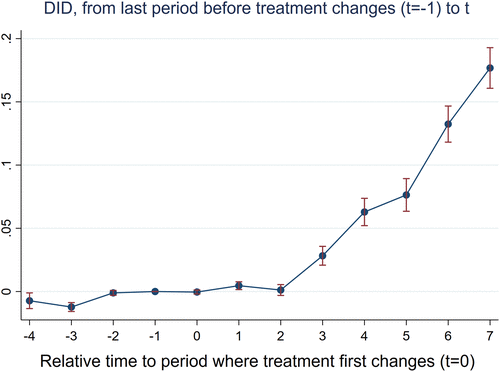
For simplicity, we discretize the average school performance in zip codes before GS rating availability () into high and low based on the median split. Accordingly, we create an indicator variable for above median values and zero otherwise. We first run the STATA command twowayfewieghts to assess the number and sum of negative weights in our staggered DID estimates. We find that only 141 of 25,572 (0.5%) weights were negative, and the sum of negative weights was only 0.0001 out of the total weight of one. Such small negative weights indicate that the heterogeneity in treatment effect across zip codes and time is unlikely to contaminate our estimates significantly. We further estimate the STATA command of did_multiplegt to estimate the robust average treatment effect accounting for the variations in treatment effects across groups and time. We find a treatment effect estimate of 0.027 (significant at p = 0.01), which is similar in sign and significance level to our corresponding estimates from Specification 2. Finally, we also report the event study style relative time plot of average treatment effect estimates from did_multiplegt in Figure 1. Figure 1 indicates statistically indistinguishable differences in interaction coefficients, that is, parallel trends in home values for the high- versus low-quality school zip codes before GS rating availability and statistically positive interaction coefficients, that is, increasing (diverging), trends in home values for the high-quality zip codes after the GS ratings became available.
Number of High-Income Households.
The change in housing prices also signals a potential change in the underlying demographics of zip codes where ratings became available. Next, we estimate Equation (3) using the number of high-income households (in 000) as our dependent variable. Our model is a two-way fixed effect difference-in-difference specification:
We additionally include the population (in 000) in a zip code as a control in Equation (3) to account for a higher number of high-income residents in zip codes with an increasing population. We cluster our standard errors at the county/CBSA level to account for intracounty/CBSA correlation in policies and other shocks. These results are presented in Table 6.
|
Table 6. Effect of School Rating Availability on the Relationship Between School Performance and Number (in 000) of High-Income Households in a Zip Code
| High income | |||
|---|---|---|---|
| (1) | (2) | (3) | |
| Rating Avail (0/1) | −0.025*** | −0.048*** | −0.011 |
| (0.003) | (0.008) | (0.012) | |
| Rating Avail. × Sch. Perf. (Pre) | 0.061*** | 0.058*** | 0.054*** |
| (0.003) | (0.006) | (0.009) | |
| Population/1,000 | 0.217*** | 0.155*** | 0.173*** |
| (0.006) | (0.011) | (0.014) | |
| Year fixed effects | Yes | No | No |
| County-year fixed effects | No | Yes | No |
| CBSA-year fixed effects | No | No | Yes |
| ZIP fixed effects | Yes | Yes | Yes |
| Year start | 2010 | 2010 | 2010 |
| Year end | 2015 | 2015 | 2015 |
| Observations | 66,157 | 64,607 | 66,048 |
| Adjusted R2 within | 0.361 | 0.220 | 0.256 |
Note. Standard errors are clustered at the zip level (model 1); county level (model 2); and CBSA level (model 3).
*p < 0.1; **p < 0.05; ***p < 0.01.
Column (1) in Table 6 presents the results with zip code and year fixed effects. The coefficient estimate of indicates that the difference in the number of high-income households between an average and one-standard-deviation better school zip codes increased by 61 (9.6% increase over the corresponding difference of 633 before GS ratings) upon the availability of the school ratings.
Columns (2) and (3) in Table 6, respectively, present the results with county-year and CBSA-year fixed effects. Our estimates of the interaction coefficient remain significant and similar. The estimates of with CBSA-year fixed effects indicate that the difference in the number of high-income households between an average and one-standard-deviation better school zip codes increased by 54 upon the availability of the school ratings over their existing difference of 633 before ratings. These results suggest a widening gap in high-income households in zip codes with low-performing and high-performing schools.
Furthermore, we link rating availability to an additional divergence of 54 high-income households for between one-standard-deviation better and average zip codes over their existing difference of 633 high-income households before GS ratings.
4.2. Demographic Sorting
Race and Ethnicity.
A strong correlation exists between income levels, race, and ethnicity in American society (Reardon et al. 2015). In the models presented in Table 7, we estimate the impact of rating availability on the changing composition of communities. Our model is a two-way fixed effect difference-in-difference specification:
|
Table 7. Effect of School Rating Availability on the Relationship Between School Performance, Zip Code Demographics, and Migration Patterns
| (1) | (2) | (3) | (4) | (5) | (6) | (7) | |
|---|---|---|---|---|---|---|---|
| White | Black | Hispanic | Asian | College | Migration | In-state migration | |
| Rating Avail (0/1) | 0.036*** | −0.002 | −0.014* | −0.005 | −0.010 | 0.019** | 0.017** |
| (0.012) | (0.005) | (0.007) | (0.006) | (0.015) | (0.008) | (0.007) | |
| Rating Avail. × Sch. Perf. (Pre) | 0.071*** | 0.013 | −0.052*** | 0.014** | 0.017*** | 0.056*** | 0.052*** |
| (0.013) | (0.008) | (0.010) | (0.006) | (0.006) | (0.009) | (0.009) | |
| Population/1,000 | 0.482*** | 0.198*** | 0.380*** | 0.149*** | 0.465*** | 0.121*** | 0.093*** |
| (0.026) | (0.019) | (0.026) | (0.017) | (0.019) | (0.012) | (0.010) | |
| CBSA-year fixed effects | Yes | Yes | Yes | Yes | Yes | Yes | Yes |
| ZIP fixed effects | Yes | Yes | Yes | Yes | Yes | Yes | Yes |
| Year start | 2010 | 2010 | 2010 | 2010 | 2011 | 2011 | 2011 |
| Year end | 2015 | 2015 | 2015 | 2015 | 2015 | 2015 | 2015 |
| Observations | 67,964 | 67,964 | 67,964 | 67,964 | 67,964 | 67,964 | 67,964 |
| Adjusted R2 within | 0.233 | 0.086 | 0.189 | 0.099 | 0.442 | 0.028 | 0.020 |
Note. Standard errors are clustered at the CBSA level.
*p < 0.1; **p < 0.05; ***p < 0.01.
Again, we estimate Equation (1) with zip code and CBSA-year fixed effects.16 We cluster our standard errors at the CBSA level to account for intra-CBSA correlation in policies and other shocks.17
In these models, our dependent variables are the number of White, Black, Hispanic, and Asian residents (in 000) in a zip code (columns (1) through (4) in Table 7). Furthermore, in column (5) in Table 7, we present results for the number of individuals with associate degrees or higher (in 000). Additionally, we include the zip code’s total population (in 000) as a control in Equation (1) to account for the corresponding increase in minority populations in a zip code with an increasing population. Broadly, we find that the demographics of the communities where ratings became available began to diverge. White, Asian, and college-educated individuals move into zip codes with better schools, whereas Hispanics leave these zip codes. Quantitatively, we find that the differences between zip codes with one-standard-deviation higher-performing schools and zip codes with average schools widened after the school rating availability; on average White, Asian, and college-educated populations, respectively, increased by 0.071k (0.7% over the average White population of 9.87k), 0.014k (1.6% over the average Asian population of 0.89k), and 0.017k (0.4% over the average college-educated populations of 3.99k) in zip codes with one-standard-deviation higher-performing schools. In contrast, the Hispanic population decreased by 0.052k (1.8% over the average Hispanic population of 2.94k) in these zip codes. The effect of rating availability on the Black residents was insignificant.18
Migration.
In our final set of models, we examine the effect of rating availability on migration into the zip code. Like those earlier, these models are estimated using zip code and CBSA-year fixed effects with standard errors cluster corrected at the CBSA level.
In columns (6) and (7) of Table 7, respectively, we examine the effect of the number (in 000) of overall migration and migration from within the same state in a zip code. We additionally include the zip code’s total population (in 000) as a control in Equation (4) to account for higher migration in zip codes with increasing population. We find that rating availability significantly affects migration into a zip code. A zip code with one-standard-deviation above-average schools has a higher overall in-migration of 0.056k () with rating availability over the corresponding value in an average zip code, which translates into 2.5% higher in migration over the average zip code in-migration of 2.26k. Most of the increase in total in-migration of 0.056k in zip codes with high-performing schools is due to 0.052k in-migration from within the state ().
To summarize, we find evidence that rating availability accelerated the divergence across American communities. Specifically, the gap between zip codes with high- and low-performing schools increased on several critical and related dimensions. First, housing prices began to diverge further, with zip codes containing higher-performing schools and higher-priced homes. The change was also economic: Zip codes with higher-performing and more visible schools attracted college-educated residents with higher incomes. All these changes further widened the gap between the zip codes with low- and high-performing schools, as identified in prior research. Finally, there is evidence that such communities’ ethnic composition also changed: White, Asian, and college-educated residents increasingly moved into these communities, and the proportion of Hispanic residents declined.
4.3. Robustness and Falsification Checks
We additionally conducted a series of robustness checks and falsification analyses to ensure that our results are robust to the omitted factors and alternative explanations.
Heterogeneity in Treatment Effect Across Zip Codes and Years.
As discussed in Section 4.1, the heterogeneity in treatment effects across groups and periods can bias the weighted average treatment effect estimates due to negative weights. We extend the robustness checks conducted in Section 4.1 for home values to other dependent variables. First, we estimate the number and sum of negative weights from the STATA command of twowayfewights. We find that only 5,795 out of 25,248 (23%) and 6,060 out of 25,893 (23.4%) weights were negative in the weighted DID estimates for high-income and demographic-related variables. Although the negative weights appear somewhat higher in numbers, they sum up to only 0.007 and 0.006 of the total weight of one in these analyses. Such small sums of negative weights are unlikely to contaminate our DID estimates significantly.
We further estimate the heterogeneity robust treatment effect estimates with the STATA command of did_mulitplegt for all specifications and report it in Table 8. We find qualitatively similar heterogeneity robust average treatment effect estimates for all dependent variables.
|
Table 8. Heterogeneity Robust Treatment Effect of School Rating Availability on the Relationship Between School Performance and Zip Code Characteristics
| ATE (Rating Avail. × HighScore (Pre)) | Log(ZHVI) | High income | White | Black | Hispanic | Asian | College degree | Migration | Within-state migration |
|---|---|---|---|---|---|---|---|---|---|
| Robust coefficient | 0.027*** | 0.056*** | 0.061*** | 0.006 | −0.068*** | 0.025*** | 0.036*** | 0.04*** | 0.039*** |
| Standard error | 0.0021 | 0.003 | 0.008 | 0.005 | 0.006 | 0.004 | 0.005 | 0.006 | 0.005 |
| Origininal coefficient (Rating Avail ×... Sch Perf, (Pre) | 0.047*** | 0.061*** | 0.056*** | 0.014 | −0.049*** | 0.016** | 0.026** | 0.046*** | 0.051*** |
*p < 0.1; **p < 0.05; ***p < 0.01.
Spillover Effects of School Ratings to Neighboring Zip Codes.
If high-income and college-educated individuals are moving from a low-performing zip code to a contiguous high-performing zip code. Then, our treatment effect estimates could be inflated due to double counting such movements across contiguous neighborhoods. In Online Appendix A.6.5, we find qualitatively similar estimates with only a small proportion of randomly selected zip codes in each county in our data. This result indicates that our results are not due to double-counting spillovers between contiguous areas.
Geographical Overlap in Boundaries of Zip Codes and School Districts.
Several different school districts share many zip codes in the United States. Therefore, the average school ratings in a zip code could be confounded by good schools’ aggregation from one school district with poor schools from the other. In Online Appendix A.6.7, we analyzed aggregated data at the school district level. Our results remain qualitatively similar, as shown in Table A.8 in Online Appendix A.6.7.
Analysis Without Zip Codes in Large Metropolitan Area.
The large metropolitan statistical areas (MSAs) in the United States have a high variation in property values and significant variations in household income and racial distributions. Thus, our segregation results may be valid only for the large MSAs in the United States. We further check if our results survive, excluding zip codes associated with the large metropolitan areas in the United States with a population of over one million. In Table A.9 Online in Appendix A.6.8, we estimate Equation (1) on nonmetropolitan area zip codes and find qualitatively similar results.
Analysis with Raw Nonnormalized School Performance Variable.
Besides the normalized Z-score, we also used the raw mean school standardized test scores averaged over the zip code as the measure of school performance, In Table A.10 in Online Appendix A.6.9, we estimate Equation (1) using raw average school performance scores as the independent variable and found qualitatively similar results.
4.4. Mechanisms Tests
Differential Access to the Internet and Divergence.
As discussed earlier, the segregation in communities we observe may be the result of two mechanisms: (a) differential access to rating information via unequal access to the Internet and (b) differential ability to use the information (e.g., via differences in income or wealth). We attempt to account for the first mechanism by controlling Internet penetration across different counties. If our main effects persist after controlling for differential access to the Internet across communities, this should provide further support for the differential use mechanism.
To test this mechanism, we collected data from Form 477 on Internet penetration (access) at the county level from the FCC website.19 The data are coded to provide county-level information on the penetration of residential fixed high-speed Internet: 1, fewer than 200 households; 2, 200–400 households; 3, 400–600 households; 4, 600–800 households; 5, more than 800 households having fixed high-speed Internet connections per 1,000 households in a county. These data are filed twice (in June and December) every year. We use the data for December 2008 to 2015 in our current analysis. The mean value of Internet penetration was 3.30, with a standard deviation of 0.90. The Internet penetration values for counties at 0, 25, 50, 75, and 100 percentiles of distribution were 0, 3, 3, 4, and 5. To conduct this test, we estimate the following model in Equation (5) similar to the earlier specification. Similar to previous models, we use two-way, zip code and CBSA-year, fixed effects and cluster-correct the standard errors at the CBSA level. We examine whether including the Internetct variable affects the sign, magnitude, or significance level of β2.
Our results for this estimation for all socioeconomic variables used in our previous analyses are presented in Table 9, suggesting that variation in Internet access is not biasing our primary results. After controlling for Internet access at the county level, we find a similar sign and significance for a coefficient estimate for β2, the interaction term’s coefficient. This estimation provides further support to the differential use mechanism for our results.
|
Table 9. Effect of School Rating Availability on the Relationship Between School Performance and Primary Outcomes, Accounting for Internet Availability by County
| (1) | (2) | (3) | (4) | (5) | (6) | (7) | (8) | (9) | |
|---|---|---|---|---|---|---|---|---|---|
| Log(ZHVI) | High income | White | Black | Hispanic | Asian | College | Migration | In-state migration | |
| Rating Avail (0/1) | −0.020*** | −0.014 | 0.034*** | 0.002 | −0.011 | −0.005 | −0.013 | 0.020** | 0.018*** |
| (0.006) | (0.012) | (0.010) | (0.003) | (0.008) | (0.006) | (0.015) | (0.008) | (0.007) | |
| Rating Avail. × Sch. Perf. (Pre) | 0.047*** | 0.053*** | 0.075*** | 0.006 | −0.054*** | 0.014** | 0.021*** | 0.056*** | 0.052*** |
| (0.005) | (0.009) | (0.015) | (0.008) | (0.011) | (0.006) | (0.007) | (0.010) | (0.009) | |
| High Speed Internet | 0.001 | 0.007 | −0.009 | 0.004 | −0.010* | 0.001 | 0.004 | −0.007 | −0.009 |
| (0.004) | (0.005) | (0.011) | (0.006) | (0.005) | (0.007) | (0.005) | (0.007) | (0.006) | |
| Population/1,000 | 0.172*** | 0.482*** | 0.197*** | 0.386*** | 0.151*** | 0.463*** | 0.121*** | 0.093*** | |
| (0.015) | (0.026) | (0.019) | (0.027) | (0.018) | (0.020) | (0.012) | (0.010) | ||
| CBSA-year fixed effects | Yes | Yes | Yes | Yes | Yes | Yes | Yes | Yes | Yes |
| ZIP fixed effects | Yes | Yes | Yes | Yes | Yes | Yes | Yes | Yes | Yes |
| Year start | 2008 | 2008 | 2010 | 2010 | 2010 | 2010 | 2011 | 2011 | 2011 |
| Year end | 2015 | 2015 | 2015 | 2015 | 2015 | 2015 | 2015 | 2015 | 2015 |
| Observations | 75,005 | 64,280 | 66,165 | 66,165 | 66,165 | 66,165 | 66,165 | 66,165 | 66,165 |
| Adjusted R2 within | 0.045 | 0.258 | 0.234 | 0.087 | 0.191 | 0.103 | 0.442 | 0.028 | 0.020 |
Note. Standard errors are clustered at the CBSA level.
*p < 0.1; **p < 0.05; ***p < 0.01.
We conducted additional analyses to test whether heterogeneity in the effects depends on Internet availability, attempting to distinguish between the differential access and use mechanisms. We split our sample into two groups: zip codes with high availability of high-speed Internet and zip codes with lower high-speed Internet availability. We provide our estimates for high and low Internet zip codes in Online Appendix A.6.10. Our results are substantially higher and more significant in the high-Internet areas than low-Internet areas. These results further support the “differential use” mechanism rather than the availability mechanism. Specifically, these findings suggest that the divergence is most substantial when Internet availability is widespread—both high- and low-SES groups have access–but use differs based on the ability to use the school rating information based on wealth.
5. Conclusion
In this paper, we study the widespread impact of organizational and firm ratings (Sharkey 2014), which are now easily accessible and influential, often guiding strategic decisions for individuals and firms. We focus specifically on the case of public school ratings and their influence on American families’ residential choices—a notable example of private sector involvement in providing information about social services (Figlio and Rouse 2006, Harris and Herrington 2006, Reback 2008, Mikulecky and Christie 2014). Our findings reveal that, although these ratings ostensibly offer valuable insights to all individuals, their impact is unevenly distributed due to varying access and utilization among different social groups (Fack and Grenet 2010, Quillian 2014). Our evidence indicates that the availability of ratings may have inadvertently intensified social and economic sorting. This phenomenon aligns with the observation that families with more significant resources strategically select neighborhoods with higher-rated schools, subsequently affecting these communities’ home prices and demographics.
Regarding effect size, we find that the disparity in home values between a zip code with a school rating one standard deviation higher versus an average zip code increases by $3,812 from the existing value of $70,608 without rating availability. This substantial change in housing prices also correlates with economic and demographic shifts across zip codes. In many of our models, neighborhoods with lower-performing schools experience a loss of high-income, college-educated, and Asian residents. Conversely, there is an asymmetric effect in neighborhoods with high-performing schools. These findings support the hypothesis that the widespread availability of quantified school performance information has accelerated rather than reduced social and economic divergence in American communities due to the posited mechanisms of differential ability to use this information.
Our findings have implications across multiple research streams in strategy and management. First, our study connects with the expanding body of work on how organizational ratings impact behaviors of both individuals and firms within the strategy literature (Chatterji and Toffel 2010, Chatterji et al. 2016, Ody-Brasier and Sharkey 2019, Greenberg et al. 2024). It especially speaks to the understanding of ratings in strategy by emphasizing the importance of considering not only their informational content but also the varied value captured by stakeholders with different resource bases (Gans and Ryall 2017, Bryan et al. 2022). Moreover, our research sheds light on the role of private sector intermediaries, like nonprofits, in shaping social service allocation, particularly public goods such as schooling. It underscores the necessity of accounting for strategic responses from diverse individuals and entities involved in social good production and consumption. This framework for understanding the impact of ratings is helpful in understanding when these responses may or may not align with the intended effects of such ratings. Our study also reveals that well-meaning intermediaries aiming to promote equity might inadvertently cause unintended adverse outcomes if they overlook the potential strategic misuse of ratings. Furthermore, although our study focuses on the U.S. context, its insights are applicable in various settings, including emerging markets where organizational intermediaries are increasingly influencing private and public sectors through information dissemination about organizations (Pongeluppe 2022).
Our findings also speak to several streams of research beyond the strategy literature. First, our results broaden the scope of the emerging research on online rankings by showing how they may affect the outcomes of entire communities and not just individual consumers (Chevalier and Mayzlin 2006, Chintagunta et al. 2010, Gu et al. 2012, Sun 2012, Lu and Huaxia 2018, Shukla et al. 2021). Second, our research shows that the widespread availability of Internet-enabled information can have society-wide, and often unintended, adverse effects (Greenberg et al. 2024). Finally, we build on this work to propose and test a novel mechanism for the increasing economic divergence across American communities that many scholars have documented (Reardon and Bischoff 2011, Reeves 2017). We show that broader access to information increased this divergence because high-income families could more readily leverage school ratings to move to neighborhoods with better schools.
In terms of policy implications, our primary finding emphasizes the importance of distinguishing between value creation and value capture when considering the implications of widespread rating availability. The availability of organizational ratings, particularly for those offering social services, can lead to a situation where high-income and advantaged individuals or communities tend to gravitate toward organizations with top ratings therefore crowding out those who may need these services the most.
Given the potential impact of rankings on social and educational organizations, it is useful to consider three policy levers that might help mitigate some of the unintended effects. The first considers expanding the scope of rankings. Much research in strategy has highlighted how some ratings can be endogenous (Awaysheh et al. 2020), narrow (Schneider 2017), or replete with noise (Chatterji et al. 2016). For instance, depending on the context, it may be useful to move beyond purely quantitative metrics or outcomes to the measurement of the organization’s broader purpose (Henisz 2023). Broader measures may include diversity, student development, creativity, and teacher quality, beyond those derived just from standardized tests. These factors may offer a more complete reflection of a school’s purpose and impact on student development and outcomes. Such a broader approach to rankings responds to debates in strategy literature as well as the economics of education about the actual substance rankings capture, suggesting a shift away from lower-cost measures such as test scores to more rigorous process and quality measures.
A second policy lever is improving access to complementary resources critical for leveraging ranking information. In the context of school ratings, this may include implementing zoning reforms, increasing affordable housing in high-performing school districts, and providing targeted housing assistance. Such measures, however, must consider the potential for merely redistributing access rather than enhancing overall quality. Furthermore, the unintended consequence of such policies might lead to affluent families opting for private schooling, reducing opportunities for integration.
However, several examples of such policies include inclusive housing units in Montgomery County, Maryland, Section 8 housing choice voucher programs, and the Low-Income Housing Tax Credit program. Furthermore, many areas use lottery systems that enable admission through a randomized lottery (Deming et al. 2014). Many American cities have also used or currently use bussing policies that encourage minority students to attend better schools in predominantly white neighborhoods (Angrist and Lang 2004). Finally, other communities have instituted voucher systems, whereby parents receive credits that allow their children to attend better public or private schools outside their district (Witte 2001).
A third policy approach may require more equitable resource distribution across schools. This may involve financial support, equitable teacher allocation, and effective management practices that increase the effectiveness of inputs to the educational production function. Such policies could include a mix of incentives, such as rewards for schools that reduce performance gaps or improve outcomes that mitigate the disparities rankings often highlight. Other levers may include training and consulting to improve management practices (Fryer 2014).
By addressing the deeper causes of educational inequity, such strategies may lessen dependence on narrow, quantitative metrics, thus better aligning with the desired outcomes of the rating intermediaries and the community (Schneider 2017). Specifically, policies that account for the depth of information about schools, improve affordability for low-income families and enhance resource availability for underfunded schools, may lead to a more equitable educational landscape.
We also acknowledge several limitations of our approach. First, ours is an observational study that uses the time-varying availability of online ratings across communities. As a result, given that rating availability is not random, our estimates may still have some degree of bias. However, we can account for many possible sources of selection bias in our models using various fixed effects specifications. Furthermore, our effect sizes may have a potentially conservative bias. That is, rating availability is related to the ease of access to the data for GS. This school performance information should have already been priced into homes, as families can access school performance information from other sources. Nevertheless, this issue should still temper the interpretation of our results.
Another area for improvement of our analysis is that it concentrates on the impact of rating availability on community characteristics without exploring the critical question of how rating availability influences organizational performance. Furthermore, we do not consider organizational differences in our specifications—as the ratings may significantly impact some schools more than others depending on their capabilities to capitalize and respond to the ratings. Consequently, further research is required to investigate how parents utilize this information to impact schools and their practices and behavior and what the availability of ratings implies for individual student outcomes over the long term.
Finally, we conducted our analysis at the zip code level. This approach allowed us to analyze the effect of rating availability on many outcomes at that level of analysis. However, this approach also introduces noise in our estimates because zip codes often, but only sometimes, define the geographic units delineating school boundaries. However, robustness tests suggest that our results remain qualitatively similar regardless of how we aggregate the geographic units (e.g., at the district level). Moreover, analyzing outcomes at such an aggregate level limits our ability to identify the effect of rating availability on individual households’ choices and thus our ability to understand mechanisms more neatly.
We hope these results will encourage further research in strategy and organizations on how ratings might lead to unintended consequences, mainly due to the differential effects on value creation and capture that this new information initiates in a specific environment.
1 For example, GS describes itself as” the leading national nonprofit empowering parents to unlock educational opportunities for their child.” (GS About Page) Accessed August 28, 2010.
3 Figure A.1 in the online appendix depicts examples of schools with ratings on the GreatSchools website and the real estate website Zillow.com. For our analysis, we use the underlying data from the state education departments to compute its ratings, standardized across states and years.
4 In this paper, GS school ratings refers to the standardized test scores of schools published on the GS website.
5 After 2012, all states are represented on the GS.
6 The states in our sample are AZ, CA, DC, FL, GA, IL, IN, KY, MA, MD, ME, MI, MN, MO, MT, NH, NJ, NM, NY, OH, OR, PA, SC, TN, TX, VA, WA, and WI.
7 These 27 states represent more than 80% of the total U.S. population according to the Census 2010 population data, encompassing all regions in the United States such as the Northeast, Midwest, West, and South.
8 See https://www.irs.gov/statistics/soi-tax-stats-individual-income-tax-statistics-zip-code-data-soi.
9 See https://www.census.gov/data/developers/data-sets.html.
10 In Online Appendix B.7, we also used the average of raw scores (SCOREmgt) for all schools in a zip code to measure school performance at the zip code level and find qualitatively similar results
11 Found here.
12 We take the logarithm of ZHVI to account for the right skew in our data.
13 We additionally estimate our coefficients with standard errors cluster corrected at the state level and find qualitatively similar results. See Table A.3 in Online Appendix A.6.4.
14 The decline of home values for average school zip codes after GS rating availability could be picking up the drop in home values after the 2008 financial crisis—A higher number of zip codes have GS ratings in the post-2008 period in our data.
15 After school performance availability log[ZHVI(one standard deviation above avg Zip)/ZHVI(avg Zip)] = 0.047 % Δ ZHVI = 100 × (exp(0.047) − 1) = 4.81%.
16 We find qualitatively similar results in alternative specifications with zip code and county-year fixed effects or zip code and year fixed effects.
17 We find qualitatively similar results in alternative specifications with state-level cluster corrections in Online Appendix A.6.4.
18 The dependent variables, such as the percentage of Asians in a zip code, are estimates with a margin of error given in ACS tables. Such measurement error in our dependent variable in OLS does not bias the coefficient estimates but increases the estimates’ standard error. We adjust all standard errors in Table 7 for reported margins of error in the ACS tables.
19 See https://www.fcc.gov/general/form-477-county-data-internet-access-services.
References
- (2020) Do parents value school effectiveness? Amer. Econom. Rev. 110(5):1502–1539.Crossref, Google Scholar
- (2021) Estimating dynamic treatment effects in event studies with heterogeneous treatment effects. J. Econometrics 225(2):175–199.Google Scholar
- (2004) Does school integration generate peer effects? Evidence from Boston’s Metco Program. Amer. Econom. Rev. 94(5):1613–1634.Crossref, Google Scholar
- (2020) On the relation between corporate social responsibility and financial performance. Strategic Management J. 41(6):965–987.Crossref, Google Scholar
- (2018) Exposure to opposing views on social media can increase political polarization. Proc. Natl. Acad. Sci. USA 115(37):9216–9221.Crossref, Google Scholar
- (2018) The effects of making performance information public: Regression discontinuity evidence from Los Angeles teachers. Econom. Ed. Rev. 66:104–113.Crossref, Google Scholar
- (2020) Housing search frictions: Evidence from detailed search data and a field experiment. NBER Working Paper No. 27209, National Bureau of Economic Research, Cambridge, MA.Google Scholar
- (2011)
Housing valuations of school performance . Handbook of the Economics of Education, vol. 3 (Elsevier, New York), 485–519.Google Scholar - (2011) The Yelp Factor: Are Consumer Reviews Good for Business (Harvard School of Business, Cambridge, MA).Google Scholar
- (2020) Balanced but not fair: Strategic balancing, rating allocations, and third-party intermediaries. Strategic Organ. 18(3):427–447.Crossref, Google Scholar
- (1996) Value-based business strategy. J. Econom. Management Strategy 5(1):5–24.Crossref, Google Scholar
- (2022) Value capture in the face of known and unknown unknowns. Strategy Sci. 7(3):157–189.Link, Google Scholar
- (2003) Consumer surplus in the digital economy: Estimating the value of increased product variety at online booksellers. Management Sci. 49(11):1580–1596.Link, Google Scholar
- (2016) Living up to expectations: Corporate reputation and persistence of firm performance. Strategy Sci. 1(1):2–11.Link, Google Scholar
- (2019) Value creation and value appropriation in public and nonprofit organizations. Strategic Management J. 40(4):465–475.Crossref, Google Scholar
- (2021) Difference-in-differences with multiple time periods. J. Econometrics 225(2):200–230.Crossref, Google Scholar
- (2024) Pricing for the stars: The reference dynamic pricing in the presence of rating systems. Management Sci. 70(3):1755–1772.Link, Google Scholar
- (2014) Internet’s dirty secret. Mis Quarterly 38(4):955–976.Google Scholar
- (2019) The digital Sin City: An empirical study of Craigslist’s impact on prostitution trends. Inform. Systems Res. 30(1):219–238.Link, Google Scholar
- (2010) How firms respond to being rated. Strategic Management J. 31(9):917–945.Crossref, Google Scholar
- (2016) Do ratings of firms converge? Implications for managers, investors and strategy researchers. Strategic Management J. 37(8):1597–1614.Crossref, Google Scholar
- (2018) The value of multidimensional rating systems: Evidence from a natural experiment and randomized experiments. Management Sci. 64(10):4629–4647.Link, Google Scholar
- (2006) The effect of word of mouth on sales: Online book reviews. J. Marketing Res. 43(3):345–354.Crossref, Google Scholar
- (2010) The effects of online user reviews on movie box office performance: Accounting for sequential rollout and aggregation across local markets. Marketing Sci. 29(5):944–957.Link, Google Scholar
- (2009) Old wine in a new technology, or a different type of digital divide? New Media Soc. 11(7):1163–1186.Crossref, Google Scholar
- (2022) The value of school social climate information. 2022 APPAM Fall Res. Conf. (APPAM, Washington, DC).Google Scholar
- (2016) Long-run equilibrium shift and short-run dynamics of US home price tiers during the housing bubble. J. Real Estate Finance Econom. 53(1):1–28.Crossref, Google Scholar
- (2023) Two-way fixed effects and differences-in-differences estimators with several treatments. J. Econometrics 236(2):105480.Crossref, Google Scholar
- (2014) School choice, school quality, and postsecondary attainment. Amer. Econom. Rev. 104(3):991–1013.Crossref, Google Scholar
- (2008) Make money surfing the web? The impact of Internet use on the earnings of US workers. Amer. Sociol. Rev. 73(2):227–250.Crossref, Google Scholar
- (2004) Digital inequality: From unequal access to differentiated use. Social Inequality (Russell Sage Foundation, New York), 355–400.Google Scholar
- (2010) Hedonic versus repeat-sales housing price indexes for measuring the recent boom-bust cycle. J. Housing Econom. 19(2):75–93.Crossref, Google Scholar
- (2007) Rankings and reactivity: How public measures recreate social worlds. Amer. J. Sociol. 113(1):1–40.Crossref, Google Scholar
- (2010) When do better schools raise housing prices? Evidence from Paris public and private schools. J. Public Econom. 94(1–2):59–77.Crossref, Google Scholar
- (2004) What’s in a grade? School report cards and the housing market. Amer. Econom. Rev. 94(3):591–604.Crossref, Google Scholar
- (2006) Do accountability and voucher threats improve low-performing schools? J. Public Econom. 90(1–2):239–255.Crossref, Google Scholar
- (2011) Information shocks and the dynamics of the housing market. Scandinavian J. Econom. 113(3):525–552.Crossref, Google Scholar
- (2019) Corporate social responsibility as a defense against knowledge spillovers: Evidence from the inevitable disclosure doctrine. Strategic Management J. 40(8):1243–1267.Crossref, Google Scholar
- (2014) Injecting charter school best practices into traditional public schools: Evidence from field experiments. Quart. J. Econom. 129(3):1355–1407.Crossref, Google Scholar
- (2017) Value capture theory: A strategic management review. Strategic Management J. 38(1):17–41.Crossref, Google Scholar
- (2013) Valuing school quality using boundary discontinuities. J. Urban Econom. 75:15–28.Crossref, Google Scholar
- (2018) Difference-in-differences with variation in treatment timing. NBER Working Paper No. 25018, National Bureau of Economic Research, Cambridge, MA.Google Scholar
- (2021) Difference-in-differences with variation in treatment timing. J. Econometrics 225(2):254–277.Crossref, Google Scholar
- (2024) Rating systems and increased heterogeneity in firm performance: Evidence from the New York City Restaurant Industry, 1994–2013. Strategic Management J. 45(1):36–65.Crossref, Google Scholar
- (2012) Research note-the impact of external word-of-mouth sources on retailer sales of high-involvement products. Inform. Systems Res. 23(1):182–196.Link, Google Scholar
- (2013) Endogenous gentrification and housing price dynamics. J. Public Econom. 100:45–60.Crossref, Google Scholar
- (2006) Accountability, standards, and the growing achievement gap: Lessons from the past half-century. Amer. J. Ed. 112(2):209–238.Crossref, Google Scholar
- (2008) Information, school choice, and academic achievement: Evidence from two experiments. Quart. J Econom. 123(4):1373–1414.Crossref, Google Scholar
- (2023) The value of organizational purpose. Strategy Sci. 8(2):159–169.Link, Google Scholar
- (2016) Does the market value value-added? Evidence from housing prices after a public release of school and teacher value-added. J. Urban Econom. 91:104–121.Crossref, Google Scholar
- (2006) School quality, neighborhoods, and housing prices. Amer. Law Econom. Rev. 8(2):183–212.Crossref, Google Scholar
- (2014) Authenticity and consumer value ratings: Empirical tests from the restaurant domain. Organ. Sci. 25(2):458–478.Link, Google Scholar
- (2018) What makes a decision strategic? Strategy Sci. 3(4):558–573.Link, Google Scholar
- (2011) Separate and unequal: The neighborhood gap for blacks, Hispanics and Asians in Metropolitan America. Project US2010 report Brown University, 1–22.Google Scholar
- (2018) Can we trust online physician ratings? Evidence from cardiac surgeons in Florida. Management Sci. 64(6):2557–2573.Link, Google Scholar
- (2013) Salience in quality disclosure: Evidence from the US News college rankings. J. Econom. Management Strategy 22(1):58–77.Crossref, Google Scholar
- (2004) How do value creation and competition determine whether a firm appropriates value? Management Sci. 50(10):1319–1333.Link, Google Scholar
- (2014) Rating States, Grading Schools: What Parents and Experts Say States Should Consider to Make School Accountability Systems Meaningful (Education Commission of the States, Denver, CO).Google Scholar
- (2011) The capitalization of school quality into house values: A review. J. Housing Econom. 20(1):30–48.Crossref, Google Scholar
- (2001) Digital Divide: Civic Engagement, Information Poverty, and the Internet Worldwide (Cambridge University Press, Cambridge, UK).Crossref, Google Scholar
- (2019) Under pressure: Reputation, ratings, and inaccurate self-reporting in the nursing home industry. Strategic Management J. 40(10):1517–1544.Crossref, Google Scholar
- (2020) Strategic behavior by market intermediaries. Strategic Management J. 41(13):2474–2492.Crossref, Google Scholar
- (2016) Income segregation between schools and school districts. Amer. Ed. Res. J. 53(4):1159–1197.Crossref, Google Scholar
- (2022) The favela effect: Spatial inequalities and firm strategies in disadvantaged urban communities. Strategic Management J. 43(13):2777–2808.Crossref, Google Scholar
- (2009) Reacting to rankings: Evidence from America’s Best Hospitals. J. Health Econom. 28(6):1154–1165.Crossref, Google Scholar
- (2014) Does segregation create winners and losers? Residential segregation and inequality in educational attainment. Soc. Problems 61(3):402–426.Crossref, Google Scholar
- (2011) The widening academic achievement gap between the rich and the poor: New evidence and possible explanations. Whither opportunity? Duncan GJ, Murnane RM, eds. Whither Opportunity? Rising Inequality and the Uncertain Life Chances of Low Income Children (Russell Sage Foundation, New York), 91–116.Google Scholar
- (2011) Income inequality and income segregation. Amer. J. Soc. 116(4):1092–1153.Crossref, Google Scholar
- (2015) Neighborhood income composition by household race and income, 1990–2009. Ann. Amer. Acad. Political Soc. Sci. 660(1):78–97.Crossref, Google Scholar
- (2008) Teaching to the rating: School accountability and the distribution of student achievement. J. Public Econom. 92(5–6):1394–1415.Crossref, Google Scholar
- (2017) Dream Hoarders: How the American Upper Middle Class Is Leaving Everyone Else in the Dust, Why That Is a Problem, and What to Do About It (Brookings Institution Press, Washington, DC).Google Scholar
- (2016) The Growing Size and Incomes of the Upper Middle Class (Urban Institute, Washington, DC).Google Scholar
- (2017) Board reform versus profits: The impact of ratings on the adoption of governance practices. Strategic Management J. 38(4):815–833.Crossref, Google Scholar
- (2006) Experimental study of inequality and unpredictability in an artificial cultural market. Science 311(5762):854–856.Crossref, Google Scholar
- (2017) Does quality affect patients’ choice of doctor? Evidence from England. Econom. J. (London) 127(600):445–494.Google Scholar
- (2009) The discipline of rankings: Tight coupling and organizational change. Amer. Sociol. Rev. 74(1):63–82.Crossref, Google Scholar
- (2017) Beyond Test Scores: A Better Way to Measure School Quality (Harvard University Press, Cambridge, MA).Crossref, Google Scholar
- (2014) Spatial segmentation and the black middle class. Amer. J. Sociol. 119(4):903–954.Crossref, Google Scholar
- (2023) Expert critics, rankings, and review aggregators: The changing nature of intermediation and the rise of markets with multiple intermediaries. Acad. Management Ann. 17(1):1–36.Crossref, Google Scholar
- (2015) Audit culture revisited: Rankings, ratings, and the reassembling of society. Current Anthropology 56(3):431–432.Crossref, Google Scholar
- (2021) How digital word-of-mouth affects consumer decision making: Evidence from doctor appointment booking. Management Sci. 67(3):1546–1568.Link, Google Scholar
- (2010) Gaming the liver transplant market. J. Law Econom. Organ. 26(3):546–568.Crossref, Google Scholar
- (2012) How does the variance of product ratings matter? Management Sci. 58(4):696–707.Link, Google Scholar
- (2014) The digital divide shifts to differences in usage. New Media Soc. 16(3):507–526.Crossref, Google Scholar
- (2012) Do patients choose hospitals with high quality ratings? Empirical evidence from the market for angioplasty in the Netherlands. J. Health Econom. 31(2):371–378.Crossref, Google Scholar
- (2011) The ratings game: Asymmetry in classification. Organ. Sci. 22(3):541–553.Link, Google Scholar
- (2004) Technology and Social Inclusion: Rethinking the Digital Divide (MIT Press, Cambridge, MA).Crossref, Google Scholar
- (2001) The Market Approach to Education: An Analysis of America’s First Voucher Program (Princeton University Press, Princeton, NJ).Google Scholar
Sharique Hasan is an associate professor of strategy at the Fuqua School of Business at Duke University.
Anuj Kumar is the Matherly associate professor of information systems at the Warrington College of Business at the University of Florida.