


Health Shocks and Annuity Choices
Abstract
This study examines how a first-time malignant cancer diagnosis, acting as an informational shock to perceived longevity, affects the demand for life annuities. Using a quasi-experimental design and exploiting Swedish administrative data, we show that receiving a cancer diagnosis close to retirement reduces annuitization rates by 5.5%. The diagnosis lowers the money’s worth ratio of a life annuity by 33%, representing a substantial financial loss. Combined with the modest behavioral response, this yields a low demand elasticity of 0.17 with respect to the perceived annuity value. Evidence from a complementary laboratory experiment indicates that this limited adjustment is driven by the influence of a default option that reduces responsiveness to private health information and may disadvantage individuals in poor health.
This paper was accepted by Camelia Kuhnen, finance.
Funding: This work was supported by The Henry Crown Institute of Business Research in Israel [Grant 08923100], the Israel Science Foundation [Grant 1637/23], the Jeremy Coller Foundation [Grant 0612017581], the Hamrin Foundation [Grant 2023-09], the Solomon Lew Center for Consumer Behavior [Grant 08923200], the Swedish Research Council for Health Working Life and Welfare [Grant 2023-00046], and the Center for Agriculture, Environment and Natural Resource [Grant 0004].
Supplemental Material: The online appendices and data files are available at https://doi.org/10.1287/mnsc.2025.00682.
1. Introduction
Many studies have shown that annuities have substantial value in mitigating retirees’ longevity risk (Yaari 1965, Brown 2003, Davidoff et al. 2005, Gong and Webb 2010). Researchers have actively sought to identify the factors that determine the demand for annuities. One such factor that has received significant attention in the literature is asymmetric information on life expectancy.1 It has been proposed that individuals with a higher financial risk of living longer are more likely to purchase life annuities because these individuals benefit more from sharing the longevity risk. This argument defines adverse selection in the annuity market (Finkelstein and Poterba 2004, Sheshinski 2008, McCarthy and Mitchell 2010, Hosseini 2015, Bello et al. 2024). Although it is a central concept in insurance markets in general (Cutler and Zeckhauser 1998, Cohen and Siegelman 2010, Ellis and Jaspersen 2025), and in the annuity market in particular, most existing evidence on this phenomenon is correlational, demonstrating an ex post association between longevity and annuity choices that may be endogenously determined by other factors related to life expectancy, such as health status and risk preferences.
In this study, we examine the causal effect of perceived longevity on annuitization decisions. We leverage the unforeseen timing of a health shock—a first-time cancer diagnosis— known to affect subjective longevity expectations (McGarry 2022, O’Dea and Sturrock 2023). We use variation in health shock timing to define two groups: a treatment group composed of retirees who receive a cancer diagnosis immediately before making the annuity payout choice, allowing reoptimization of the decision, and a control group composed of retirees who receive the diagnosis immediately after making this irreversible payout choice. This approach is similar to that of Døskeland and Kvaerner (2022), who examine how a similar health shock affects households’ willingness to take risks with financial wealth. Our identification strategy relies on the assumption that the timing of a first-time cancer diagnosis is independent of the timing of the annuity payout decision. Importantly, the diagnosis constitutes a shock to the individual’s information set, leading to a revision in perceived longevity and, consequently, influencing annuitization behavior. In the paper, we use the terms “health shock” and “informational shock” interchangeably to emphasize that our focus is on changes in subjective beliefs resulting from the receipt of new information.
We study annuity choices within the context of a major occupational pension plan for white collar workers in Sweden. In this plan, individuals can choose between a life annuity—the default option—and fixed-term payouts with a minimum duration of five years. The insurance price (i.e., “conversion factor”) is uniform for all retirees and remains unaffected by individual characteristics such as gender or health condition. The financial stakes involved in this decision are substantial. The pension in question accounts for 20% of an individual’s total pension income, with an average expected discounted present value (EPDV) of $57,750.
We utilize unique administrative data on annuity choices from the pension company managing this plan and merge it with administrative records on hospitalizations and cause-specific mortality. The health data enable us to identify new cancer diagnoses on a monthly basis and track subsequent mortality rates.
To validate the research design, we demonstrate that the treatment and control groups are similar across a wide range of socio-economic and health dimensions measured before the cancer diagnosis. This similarity suggests that any difference in the propensity to choose a life annuity between these two groups is likely due to the causal impact of changed perceptions of life expectancy resulting from the information revealed due to the cancer diagnosis rather than other private information.
Our main findings demonstrate that a cancer diagnosis significantly reduces the likelihood of selecting a life annuity, with individuals facing more severe diagnoses being less likely to annuitize. Specifically, retirees diagnosed with malignant cancer prior to retirement are, on average, four percentage points less likely to choose a life annuity compared with retirees in the control group diagnosed with cancer after retirement. Moreover, retirees diagnosed with digestive cancer prior to retirement, a condition associated with lower survival probabilities (Tuo et al. 2022), experienced a significant reduction of approximately nine percentage points in annuitization rates. Conversely, individuals diagnosed with skin cancer before retirement, characterized by higher survival rates (Saginala et al. 2021), exhibited a low and insignificant decrease in annuity choices.
Although these findings are consistent with the concept of adverse selection, the magnitude of the effect is surprisingly small given the known impact of a cancer diagnosis on life expectancy. To assess the financial implications of this effect, we follow the approach of Hagen (2015) and compare the EPDV of the life annuity option to a five-year payout for individuals diagnosed with malignant cancer prior to retirement. We show that the ratio between these two values, often referred to as the money’s worth ratio (MWR), stands at only 67%. In financial terms, this evidence means that a retiree who receives a malignant cancer diagnosis could forgo more than $20,000 on average, by choosing a life annuity over a five-year payout option. The ratio between the behavioral response to the shock and the change in the MWR induced by changes in survival expectations following a cancer diagnosis can be interpreted as the price elasticity of annuity demand. We estimate this elasticity to be only 0.17 on average, consistent with prior evidence (Chalmers and Reuter 2012) indicating that individuals respond only modestly to reductions in the value of annuities. To our knowledge, the current study provides one of the first causally identified elasticity in this market, offering an important benchmark for academics and policymakers.
One likely reason for the perceived limited impact of malignant cancer on annuity choices is that the default option in our setting is a life annuity. Individuals may adhere to the default for various reasons including decision complexity, inertia, lack of awareness (Madrian and Shea 2001, Choi et al. 2003, Hagen 2022), and the considerable effort and emotional burden involved in making an active choice during a challenging period. Research has indicated that a cancer diagnosis is often associated with cognitive decline (Härter et al. 2001, Andreotti et al. 2015, Mallet et al. 2018), further impeding decision making. Additionally, if the default option is perceived as a recommended choice by trusted authorities or the norm, individuals may be less likely to reassess financial decisions even when facing significant health adversities.
Because the default option remained unchanged during the study period, we used an experimental method to explore the role of default options under changing survival expectations, extending prior experimental work on defaults in annuity markets (Agnew et al. 2008, Bateman et al. 2017, Unger et al. 2024). Specifically, we designed and conducted an incentivized, preregistered laboratory experiment among students. Participants were randomly assigned into two types of “longevity” treatments (i.e., high versus low longevity) with and without defaults to study how defaults affect individuals’ annuitization decisions when facing variations in survival probabilities. The experiment confirms that, in the absence of a default option, participants with higher expected longevity chose higher annuities (the “adverse-selection” effect), relative to participants with lower expected longevity. However, when a full life annuity was set as the default option, the “default effect” masked the adverse-selection effect. In other words, in the presence of a default, differences in longevity expectations no longer influenced annuitization decisions.
We explore additional mechanisms beyond the default effect. First, we leverage the experiment’s two-round design to assess whether the one-time irreversible nature of the pension decision could dampen individuals’ responses. We find that participants respond more strongly in the second round, suggesting that decision-making experience and repeated exposure to the annuity decision process may increase awareness of how survival expectations impact annuitization choices. Next, using our administrative data, we examine whether heterogeneity in risk preferences, financial literacy, or family risk pooling could account for the muted response. We find weak supporting evidence for these alternative explanations. Risk-averse individuals exhibit responses similar to those of the full sample in the main results, whereas the responses among risk-loving individuals are very small, suggesting that risk preferences alone cannot account for the limited adverse selection. Interestingly, the fact that only risk-averse individuals respond to the information shock implies that individuals react more to changes in perceived longevity risk than to decreases in expected lifespan. Moreover, both financially literate and nonliterate individuals respond to the information shock, with more financially literate reacting slightly more, indicating that a lack of literacy is not the primary constraint. Finally, married individuals do not respond to the shock more strongly than singles, suggesting that family-based risk pooling plays a limited role. Taken together, default effects and limited experience with complex financial decisions appear to be the main drivers of the modest behavioral response to the longevity information shock.
Our findings hold significant implications for policymakers, insurers, and financial planners. Defaults, either full or partial, are commonly recommended in the withdrawal phase by both scholars and regulatory bodies, including the Organisation for Economic Co-operation and Development (OECD) (Brown 2009, Brown and Nijman 2012, Horneff et al. 2025). We show that individuals are indeed highly responsive to default options when making annuitization choices. Moreover, we find that even in the face of serious health shocks such as cancer, which significantly lowers survival expectations, individuals tend to adhere to the default. This pattern suggests that, although defaults can promote decision simplicity and consistency, they may also impose personal and social costs by guiding individuals toward financial choices that do not reflect changed circumstances or individual preferences.
The remainder of the paper proceeds as follows. We introduce our settings in Section 2. In Section 3, we describe our research design, followed by a discussion of our data and empirical design in Section 4. Section 5 presents our main findings on adverse selection and their financial quantification. Section 6 investigates the potential mechanisms explaining our results, and Section 7 presents a discussion of policy implications and concludes.
2. Institutional Setting
2.1. Swedish Pension System
Sweden’s pension system has two main pillars: a universal public pension and a quasi-mandatory occupational pension.2 This study focuses on payout choices in the ITP plan (Industrins och handelns tilläggspension), the occupational pension for white-collar workers in the private sector. We analyze decisions related to the defined benefit (DB) component of the plan, known as ITP2.3
ITP2 benefits are based on an individual’s final wage before retirement. Replacement rates are standardized across participants and are typically around 10% for earnings below the public pension system’s income ceiling and 65% for earnings above it. Payments are adjusted for inflation. The plan also includes a survivor’s benefit designed for higher earners, available regardless of payout choice. Any remaining pension wealth reverts to the collective pool of participants. Like many DB plans, ITP2 offers limited flexibility: individuals cannot choose contribution amounts or investment strategies, and the funds are neither renewable nor tradeable, nor can they be transferred to another provider.
2.2. Payout Decision
In ITP2, the default payout option is a life annuity starting at age 65. Since 2008, individuals have had the option to choose fixed-term payouts over 5, 10, 15, or 20 years. Although fixed-term payouts increase liquidity, they eliminate longevity insurance. Once selected, the payout decision is irreversible, and once a fixed term ends, it cannot be converted into a new annuity.4 The annuity value is calculated using conversion factors based on average life expectancy at claiming age and expected returns. The conversion factor is set by Alecta and may vary from year to year. Our econometric models include year fixed effects, which mitigate concerns that such variation affects annuity choice. Conversion factors do not account for gender, marital status, or health.
Three months before turning 65, individuals receive a letter from the managing company, Alecta, outlining expected monthly income under the default life annuity and informing the option to select a fixed-term payout (see the Online Appendix, Figure G.2, for an example letter). The communication is neutral in tone and contains no behavioral nudges. Although the letter is easy to understand and switching from the default changing the default requires minimal effort, the financial implications of choosing a fixed-term payout are not prominently explained. Only on the final page of the seven-page document does it briefly states that the monthly amount for a fixed-term payout is calculated by multiplying the life annuity’s monthly amount by a predefined conversion factor. This limited emphasis likely contributes to the high prevalence of default choices, consistent with Hagen et al. (2022), who show, using data from another Swedish pension provider, that the format of options’ presentation strongly affects payout decisions.5
3. Research Design and Empirical Model
3.1. Quasi-Experiment
Our empirical strategy relies on existing literature that points to the notion that insurance choices are primarily dictated by risk type (Finkelstein and Poterba 2004, Cutler et al. 2008, Rothschild 2009, Einav et al. 2010). Accordingly, we define the probability to annuitize as a function of actual longevity, assuming all else equal, as follows:
The ideal experiment for studying the impact of different types of longevity risk on annuity choices would involve randomly assigning shocks that modify longevity risk to individuals before retirement and tracking annuitization decisions. This experiment would allow examining the causal effect of a change in risk type on annuity demand by comparing the choices of individuals who experienced the shocks with similar others who did not.
We utilize a quasi-experimental research design that approximates this ideal experiment. Our design leverages the potential random timing of a shock to individuals’ longevity beliefs due to a cancer diagnosis that occurs within a short period around retirement. We form two experimental groups based on this shock: a treatment group, composed of individuals diagnosed with cancer in the period of preretirement and a control group composed of individuals who experienced a similar shock at the period postretirement. Our choice of is three years,6 which implies that we focus on individuals who received a first-time cancer diagnosis within a six-year window surrounding retirement.
The identification assumption underlying our analysis is that the timing of the information shock—that is, the cancer diagnosis—within this period around retirement is as good as random. Additionally, we assume that annuitization does not causally influence longevity in the short term. Although Larrain et al. (2025) find that annuitants live, on average, about three years longer than nonannuitants, the authors also observe comparable health status between these groups during the first decade following retirement, supporting our assumption for the short period around retirement. Our choice of therefore mitigates concerns about reverse causality. We return to this assumption in Section 4.4.
3.2. Empirical Model
Using the first-time cancer diagnosis shock, we examine the hypothesis that a change in an individual’s longevity expectations cause a change in annuity choice. Specifically, we define variable as an indicator that takes the value of one if retiree i has experienced a cancer diagnosis before making an annuity choice and zero otherwise. We utilize the diagnosis in a binary choice model as follows:
The vector includes a rich set of control variables that may influence annuity decisions. These encompass demographic characteristics such as gender, marital status, number of children, and highest level of education (elementary school, high school, college/university degree or other). In addition, it incorporates a comprehensive set of health-related indicators reflecting individuals’ underlying health status, which may also affect annuity choices. These include: the number of hospitalizations days and the number of unique drugs consumed by each individual in the year before retirement/diagnosis; an indicator for whether an individual has received sickness benefits before retirement/cancer diagnosis (from 2003); an indicator for whether such benefits are provided for absence from work for longer than 14 days; and an indicator for whether an individual received disability pension before claiming ITP2 (between 2008 and 2015).
We further control for retirees’ financial positions using records of individuals’ average disposable income in the five years preceding retirement, as well as individuals’ real and financial assets in 2007. These controls allow us to address the concern that wealth is positively correlated with longevity (Finegood et al. 2021) and to account for potential biases arising from retirement wealth being part of a broader portfolio problem (Hurwitz and Sade 2025). Finally, we include indicator variables for claiming the ITP2 pension before the default age of 65 and for withdrawing from the public pension. The error term is assumed to be uncorrelated across individuals.
The rich set of covariates in the controlled model allows us to assess the extent to which private information about longevity risk can be attributed to individuals’ knowledge of own characteristics (preshock) beyond the adverse selection effect (ruling out moral hazard). We estimate the model both with and without the full set of control variables using a logit procedure and calculate the marginal effect to facilitate interpretation.8
4. Data
4.1. Data Sources
We use administrative data from Alecta, one of Europe’s largest providers of occupational pensions for private-sector white collar workers in Sweden. The data set covers 241,896 retirees born between 1943 and 1953 and includes detailed records of retirement claims from May 2008 through December 2015, specifying the month and year of pension claiming and the chosen payout duration.
For each retiree, we merge demographic and socioeconomic data from the Longitudinal Integration Database for Health Insurance and Labour Market Studies (LISA), maintained by Statistics Sweden. LISA covers the entire Swedish population from 1990 to 2014 and provides information on gender, age, education, income sources, employment status, and marital status. It also includes wealth data, such as financial and housing assets, from 1999 to 2007. In addition, the database allows us to identify biological parents, which we utilize in the analysis presented in Online Appendix F, Section F.1.
We supplement this with three health-related databases from the Swedish National Board of Health and Welfare. First, the National Patient Register contains all inpatient and outpatient visits from 1990 to 2015. It includes detailed arrival and discharge dates, as well as diagnoses coded using the International Classification of Diseases (ICD), allowing us to identify the type and timing of cancer diagnoses. Second, the Causes of Death Registry (1969–2015) records exact death dates and causes of death (also ICD coded), enabling us to identify cancer-related deaths. We also combine these data with information on retirees’ parents to construct a proxy for individual risk type, based on parental age at death and cause of death. Third, the Prescription Drug Register (2005–2015) contains complete records of prescribed drug purchases, including drug type (based on the Anatomical Therapeutic Chemical (ATC) classification) and quantity. From this, we derive measures of both drug usage intensity and drug type diversity, which serve as a proxy for individual health.
4.2. Defining the Shock to Longevity Perceptions
The term “first-time cancer diagnosis” denotes an individual’s initial cancer-related record in either inpatient or specialized outpatient care, starting from 1990 onward. We categorize individuals with a cancer diagnosis as having lower perceived longevity risk, and those with no such diagnosis as having higher perceived longevity risk. Additionally, we distinguish between diagnoses of malignant tumors (classified under ICD-10 code C), benign tumors (classified under ICD-10 code D), and classifications of specific cancer types, which enables us to examine the relationship between risk type levels and the likelihood of investing in annuities.
We focus on a first-time cancer diagnosis as a shock to longevity perceptions because such diagnoses have been demonstrated to significantly impact individuals’ mortality, and consequently subjective survival probabilities, resulting in a change in perceived risk type. For instance, McGarry (2022) found a significant decline in self-reported survival probabilities to a target age of 75 among older individuals diagnosed with cancer, and O’Dea and Sturrock (2023) reported that a new cancer diagnosis caused a significant four-percentage-point decrease in survival expectations. The prevalence of this health shock across genders and socio-economic groups (Ahmad et al. 2015) makes our analysis relevant for a large share of the population, because cancer is the second leading cause of death both in the United States (Ahmad and Anderson 2021) and in Sweden (Debiasi et al. 2024).
4.3. Sample Restrictions and Descriptive Statistics
The analysis sample is comprised of 30,062 individuals who were diagnosed with cancer within a three-year window around retirement (hereafter referred to as the Cancer Sample).9 Table 1 presents descriptive statistics of the full sample of retirees claiming ITP2 pension between 2008 and 2015, as well as a description of the Cancer Sample.
|

Table 1. Descriptive Statistics
| Variable | (1) | (2) | ||||
|---|---|---|---|---|---|---|
| All | Cancer Sample | |||||
| Mean | Standard deviation | N | Mean | Standard deviation | N | |
| Life annuity | 0.74 | 0.44 | 241,896 | 0.73 | 0.44 | 30,062 |
| 5-year payout | 0.16 | 0.37 | 241,896 | 0.17 | 0.37 | 30,062 |
| 10-year payout | 0.07 | 0.25 | 241,896 | 0.06 | 0.24 | 30,062 |
| 15- or 20-year payout | 0.03 | 0.18 | 241,896 | 0.03 | 0.18 | 30,062 |
| Pension from Alecta (SEK/year) | 60,079 | 82,124 | 241,896 | 65,491 | 88,208 | 30,062 |
| Pension from ITP2 (SEK/year) | 40,242 | 60,727 | 241,896 | 44,241 | 66,533 | 30,062 |
| Public pension (SEK/year) | 156,223 | 55,761 | 175,446 | 159,816 | 54,966 | 24,019 |
| Total pension (SEK/year) | 304,609 | 196,843 | 175,446 | 320,980 | 211,610 | 24,019 |
| Age (years; at claim) | 64.72 | 0.91 | 241,896 | 64.76 | 0.87 | 30,062 |
| Early withdrawal | 0.14 | 0.35 | 241,896 | 0.14 | 0.34 | 30,062 |
| Disability pension | 0.16 | 0.36 | 241,896 | 0.16 | 0.37 | 30,062 |
| Male | 0.60 | 0.49 | 241,896 | 0.63 | 0.48 | 30,062 |
| Married | 0.63 | 0.48 | 241,896 | 0.66 | 0.47 | 30,062 |
| Single | 0.11 | 0.31 | 241,896 | 0.10 | 0.30 | 30,062 |
| High school | 0.48 | 0.50 | 241,896 | 0.48 | 0.50 | 30,062 |
| University | 0.32 | 0.46 | 241,896 | 0.34 | 0.47 | 30,062 |
| Number of children | 1.89 | 1.13 | 241,896 | 1.90 | 1.12 | 30,062 |
| Wealth volatility | 0.10 | 0.08 | 212,428 | 0.10 | 0.08 | 27,091 |
| log financial assets | 10.92 | 4.01 | 241,896 | 11.30 | 3.64 | 30,062 |
| log disposable income | 7.72 | 1.38 | 241,896 | 7.91 | 0.80 | 30,062 |
| log real assets | 10.52 | 6.02 | 241,896 | 10.92 | 5.81 | 30,062 |
| Sickness benefits (yes/no) | 0.12 | 0.19 | 241,902 | 0.12 | 0.20 | 30,062 |
| Hospitalization days per year | 0.62 | 5.12 | 241,902 | 0.68 | 5.03 | 30,062 |
| Number of unique drugs | 3.23 | 3.20 | 241,902 | 3.56 | 3.33 | 30,062 |
| Partner’s age (at claim) | 62.68 | 7.09 | 137,258 | 62.72 | 6.87 | 18,597 |
| Partner’s log disposable income | 7.70 | 0.87 | 137,258 | 7.71 | 0.84 | 18,597 |
| Parent died of cancer | 0.34 | 0.47 | 241,896 | 0.36 | 0.48 | 30,062 |
| Dead within 2 years | 0.02 | 0.14 | 210,214 | 0.05 | 0.23 | 27,645 |
| Dead within 5 years | 0.05 | 0.22 | 116,542 | 0.12 | 0.32 | 16,227 |
Notes. Column (1) represents descriptive statistics of the entire data set, and column (2) shows descriptions of individuals diagnosed with cancer. The variable Life annuity is an indicator that equals one if a retiree has chosen the life annuity option. The variables 5-year payout, 10-year payout, and 15- of 20-year payout are indicators that equal one if a retiree has chosen these payout options. The Pension from Alecta variable represents the yearly amount of the occupational pension the employee receives from Alecta (in SEK/year). The Pension from ITP2 variable represents the yearly amount of the occupational pension the employee receives from the ITP2 plan (in SEK/year). The Early withdrawal variable equals one for employees who have claimed pension before the age of 65. The Disability pension variable is an indicator equal to one if the individual received a disability pension prior to retirement. The Sickness benefits is an indicator for absences from work due to illness for more than 14 days at any point in time between 2003 and retirement but prior to a cancer diagnosis. Financial and real assets are measured for 2007. Hospitalization days per year is measured in the year preceding retirement/diagnosis. Number of unique drugs captures the count of distinct drug substances at the three-digit ATC level and is measured over the same period. The Parent died of cancer variable is an indication that equals one if one of the parents died of cancer.
The primary outcome variable is the choice of a life annuity, as described in the first row of Table 1. Column (1) shows that out of the full sample, 74% of employees chose the life annuity option, which is consistent with the pattern observed in the Cancer Sample, presented in column (2). This rate is similar to that of other countries with mandatory pension schemes, such as Chile (Illanes and Padi 2019), and is likely driven by the presence of a life annuity as the default option.
Table 1 further shows that the share of employees in the full sample who chose the five-year payout was 16% and slightly higher, at 17%, in the Cancer Sample, whereas the share of employees who chose the 10-year payout stands at 7% in both samples. The remaining 3% of the population selected fixed-term payouts of either 15 or 20 years.
Table 1 provides further information on a variety of variables. The variable Pension from Alecta represents the yearly amount of the occupational pension that retirees received from Alecta, which is slightly higher in the Cancer Sample relative to the full sample and stands at approximately SEK 60,000 comprising around 20% of an individual’s total pension income. The yearly benefit of the ITP2 component is approximately SEK 40,000 for both samples. Based on standard population life tables from Statistics Sweden (2009–2013) and assuming pension payouts commence at age 65, the EPDV of the average ITP2 pension is calculated to be SEK 519,750 (approximately $57,750) (see Section 5.2 for further details on the EPDV calculation method). The EPDV of the average ITP2 pension can be benchmarked against the average financial wealth—including bank accounts, stocks, funds, and other securities outside the pension system—which amounts to SEK 566,572 (approximately $63,000). Because of the significant variation in financial wealth, log transformations are applied in the empirical analyses.
The average claiming age of 64.7 years in both samples suggests a strong tendency to adhere to the default payout age of 65 years. The Early withdrawal variable, representing the proportion of individuals who claimed pension before the retirement age of 65, reveals that 14% of the sample retired early, with only a small fraction claiming after age 65. This proportion was similar in the Cancer Sample. The share of retirees who received a disability pension in the year before the ITP2 decision was 16% for both the full sample and the Cancer Sample. Similarly, the proportion of retirees claiming public pension in the year prior to the ITP2 decision was 26% for the full sample and 27% for the Cancer Sample.
Table 1 also reports a comprehensive set of demographic statistics that are mostly consistent across the full sample and the Cancer Sample. Sixty percent of the retirees were male in the entire sample and 63% in the cancer sample. Similarly, a majority were married, with 63% in the full sample and 66% in the Cancer Sample. On average, retirees in both groups had two children and comparable educational backgrounds. However, retirees in the cancer sample were slightly wealthier in terms of financial and real assets compared with those in the entire sample.
Table 1 further presents health-related information, showing similar rates of sickness benefits (prior to diagnosis) in the full sample and the Cancer Sample. Additionally, hospitalization and drug utilization rates were slightly higher in the Cancer Sample than in the full sample. The table also illustrates that the age and income of the retirees’ partners were comparable across both samples, and approximately 35% of retirees in each sample had at least one parent who died from cancer. Finally, the table presents mortality rates within two and five years of claiming retirement. As anticipated, mortality rates are higher among the Cancer Sample for both time periods, highlighting the severity of the health shock.
4.4. Research Design Validation
The identifying assumption of our analysis is that the timing of the shock to longevity beliefs, triggered by the cancer diagnosis, is effectively random relative to the annuity payout decision—that is, whether the first-time cancer diagnosis occurs before or after the payout decision is as good as random. This suggests that the treatment and control groups, those with and without a change in perceived longevity risk at the time of the decision, should be comparable in all respects except for the diagnosis timing and the resulting decision outcome. To assess this assumption, Table 2 compares the two groups across demographic, health, and financial characteristics.
|
Table 2. Comparison Between Retirees Diagnosed with Cancer Before and After Retirement
| Diagnosis before retirement | Diagnosis after retirement | Difference | ||||
|---|---|---|---|---|---|---|
| Mean | Standard deviation | Mean | Standard deviation | Difference | t | |
| Life annuity | 0.72 | 0.45 | 0.75 | 0.43 | 0.04 | (7.11) |
| 5-year payout | 0.18 | 0.38 | 0.16 | 0.36 | −0.02 | (−5.17) |
| 10-year payout | 0.07 | 0.25 | 0.06 | 0.23 | −0.01 | (−3.80) |
| 15- or 20-year payout | 0.03 | 0.19 | 0.03 | 0.18 | −0.00 | (−1.55) |
| Pension from Alecta (SEK/Year) | 66,449 | 90,559 | 64,543 | 85,813 | −1,905 | (−1.87) |
| Pension from ITP2 (SEK/Year) | 45,147 | 68,763 | 43,345 | 64,241 | −1,801 | (−2.35) |
| Public pension (SEK/Year) | 159,786 | 54,250 | 159,839 | 55,526 | 53 | (0.07) |
| Total pension (SEK/Year) | 319,081 | 200,422 | 322,478 | 220,024 | 3,397 | (1.25) |
| Age (at claim) | 64.77 | 0.91 | 64.75 | 0.84 | −0.02 | (−2.02) |
| Early withdrawal | 0.14 | 0.35 | 0.14 | 0.34 | −0.01 | (−1.45) |
| Disability pension | 0.16 | 0.37 | 0.16 | 0.37 | −0.00 | (−0.17) |
| Male | 0.62 | 0.49 | 0.64 | 0.48 | 0.02 | (3.09) |
| Married | 0.66 | 0.47 | 0.67 | 0.47 | 0.01 | (1.00) |
| Single | 0.10 | 0.30 | 0.10 | 0.30 | −0.00 | (−1.41) |
| High school | 0.48 | 0.50 | 0.48 | 0.50 | −0.00 | (−0.01) |
| University | 0.34 | 0.48 | 0.33 | 0.47 | −0.01 | (−1.88) |
| Number of children | 1.89 | 1.12 | 1.90 | 1.12 | 0.00 | (0.23) |
| Wealth volatility | 0.10 | 0.08 | 0.10 | 0.08 | −0.00 | (−2.41) |
| log disposable income | 7.93 | 0.74 | 7.90 | 0.86 | −0.02 | (−2.52) |
| log financial assets | 11.26 | 3.61 | 11.34 | 3.66 | 0.07 | (1.77) |
| log real assets | 10.94 | 5.79 | 10.90 | 5.84 | −0.03 | (−0.48) |
| Sickness benefits (yes/no) | 0.13 | 0.21 | 0.12 | 0.19 | −0.01 | (−4.97) |
| Number of hospitalization days | 0.73 | 5.64 | 0.63 | 4.35 | −0.10 | (−1.70) |
| Number of unique drugs | 3.52 | 3.30 | 3.60 | 3.36 | 0.07 | (1.95) |
| Partner’s age (at claim) | 62.70 | 7.00 | 62.73 | 6.76 | 0.04 | (0.36) |
| Partner’s log disposable income | 7.71 | 0.84 | 7.70 | 0.83 | −0.01 | (−1.09) |
| Parent died of cancer | 0.36 | 0.48 | 0.36 | 0.48 | −0.00 | (−0.12) |
| Dead within 2 years | 0.06 | 0.24 | 0.05 | 0.22 | −0.01 | (−4.05) |
| Dead within 5 years | 0.11 | 0.31 | 0.12 | 0.33 | 0.01 | (2.55) |
| Observations | 14,945 | 15,117 | 30,062 | |||
Note. Variables are defined as in Table 1.
The table indicates that retirees in the two groups are similar in terms of demographic variables, including age, marital status, education, and number of children. Although the proportion of males is slightly higher among those diagnosed after retirement (i.e., the control group), the difference is economically insignificant.
Table 2 also shows a comparison between health-related characteristics, which are measured prior to diagnosis. The evidence indicates that individuals did not have prior knowledge of a future cancer diagnosis. This is reflected in the similarity between the groups in hospitalization days, the number of unique drugs taken, and disability pension claims. Additionally, the proportion of retirees with a parent who passed away from cancer is similar in both groups. Although there is a statistically significant difference in sickness benefits, the difference is economically negligible. Moreover, mortality rates are comparable between the treatment and control groups, with 6% (11%) mortality within two years (five years) for individuals diagnosed before retirement and 5% (12%) for those diagnosed after retirement.
A potential concern is that individuals may hold private information—such as early health signals or genetic predispositions—that influences both perceived longevity and consequently financial decisions, including when to retire. This could introduce endogeneity into our estimates. We address this concern in two ways. First, we examine retirement timing and find no difference between the groups: 14% of individuals in both the treatment and control groups opted to withdraw early (before age 65). Moreover, Figure G.1 in Online Appendix G confirms this evidence by demonstrating that the average claiming age remains close to 65, regardless of the timing of the cancer diagnosis. Second, individuals with private information might anticipate a diagnosis and adjust financial behavior in advance. This concern is particularly relevant for the control group, which we assume had not yet experienced the health shock affecting longevity perception. Table 2 shows that individuals diagnosed after retirement have annuitization rates around 75%, comparable to the general population, indicating no adjustment in response to unobserved health risk. In contrast, those diagnosed before retirement exhibit a lower annuitization rate of 72%, consistent with behavioral adjustment following a shift in perceived longevity.10
Overall, Table 2 confirms that our quasi-experiment creates treatment and control groups that are balanced in demographic characteristics and healthcare-utilization patterns and validates our research design.
5. Adverse Selection in the Annuity Market
5.1. Effects of Cancer Diagnoses
Table 3 displays the marginal effect coefficients of the binary choice models estimated using Equation (2) both without (panel A) and with (panel B) controls. The results in panels A and B are very similar, indicating that the inclusion of controls does not materially alter the estimated effects and thus supports the assumption that the timing of the cancer diagnosis is exogenous to the timing of the annuity payout decision. Column (1) shows that individuals diagnosed with malign cancer were about four percentage points less likely to choose a life annuity relative to individuals diagnosed postretirement, supporting the hypothesis of adverse selection in the annuity market.11 Column (2) indicates that a benign-tumor diagnosis reduces the likelihood of annuitizing by just 2.3 percentage points.
|
Table 3. Effect of Cancer Diagnosis on Annuity Investment
| Dependent variable: Full Annuity Dummy | ||||
|---|---|---|---|---|
| (1) | (2) | (3) | (4) | |
| Malignant cancer | Benign tumor | Digestive cancer | Skin cancer | |
| Panel A: No controls | ||||
| Effect estimation | −0.043 | −0.026 | −0.094 | −0.007 |
| Standard error | (0.007) | (0.007) | (0.022) | (0.013) |
| Panel B: With controls | ||||
| Effect estimation | −0.041 | −0.023 | −0.087 | −0.007 |
| Standard error | (0.007) | (0.007) | (0.021) | (0.013) |
| N | 14,990 | 14,047 | 1,690 | 3,934 |
| Baseline mean | 0.78 | 0.78 | 0.77 | 0.78 |
Notes. This table reports the effects of receiving a tumor or cancer diagnosis on the choice of a life annuity. Column (1) shows the results for malignant cancer diagnosis, column (2) for a benign diagnosis, column (3) for malignant digestive cancer, and column (4) for malignant skin cancer. The coefficients shown represent the marginal effects from a logit estimation of Equation (2). The analysis is based on the subsample of participants diagnosed with cancer within three years of retirement, with each column generated from a separate regression analysis. The results in panel A do not include controls. The results in panel B include controls for individual characteristics such as age, marital status, gender, preretirement income, education, and health-related variables, as described in Section 3.2. The dependent variable is a dummy for the life annuity choice, which equals one if the individual chose a life annuity and zero if individuals opted for 5- or 10-year fixed payments. Other payout options are excluded from the sample. The baseline mean reflects the annuity choice among the control group, comprised of individuals who received a cancer diagnosis after retirement.
Columns (3) and (4) illustrate the effects of different levels of severity of diagnoses on annuity choice, providing further support for the presence of adverse selection. Column (3) shows that a diagnosis of digestive cancer, which is associated with low survival probabilities, leads to a significant 8.6-percentage-point decrease in the demand for life annuities. In contrast, column (4) demonstrates that a diagnosis of skin cancer, which has a smaller impact on survival probabilities, results in no significant change in annuity demand. These findings remain consistent when parental longevity is included in the set of control variables, as well as when the sample is restricted to individuals without prior hospitalization records (healthy individuals), as shown in Table G.2 in Online Appendix G. Furthermore, including an interaction term between the treatment effect, , and the control set, , does not change our main estimates.
Figure 1 visualizes the impact of the cancer diagnosis over time. It plots the share of retirees who chose life annuities by the time of the cancer diagnosis relative to the pension-claiming time. Figure 1(a) shows the impact of a malignant cancer diagnosis on the likelihood of choosing a life annuity, which is significantly lower among those diagnosed with cancer before retirement. The figure also demonstrates that the effect persists over time: those diagnosed before retirement consistently exhibit a lower propensity to choose a life annuity regardless of when the diagnosis occurred. One potential explanation of this evidence is that the long-term implications of a malignant cancer diagnosis become deeply embedded in an individual’s behavior and decision-making processes, potentially linked to the adoption of “survivor’s identity” (Deimling et al. 2007, Stein et al. 2008). The stability of the diagnosis impact over time alleviates concerns that individuals diagnosed shortly before retirement may fail to respond for psychological reasons because reactions are similar to those diagnosed well in advance of retirement.
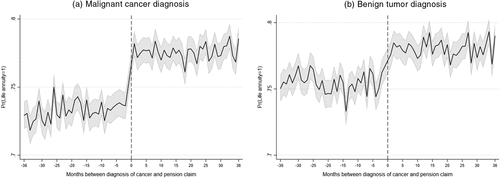
Notes. The x axis represents the time difference between the diagnosis month and the pension-claiming month, with period 0 indicating the month of pension claiming. The y axis shows the average share of retirees opting for a life annuity in each period. The estimates are derived from the regression model in Equation (2) and are presented with 95% confidence intervals.
Figure 1(b) visualizes the effect of benign tumor diagnosis over time, showing that its impact on annuitization is smaller than that of malignant tumors. This suggests that benign tumors are generally considered less serious compared with malignant ones (Patel 2020, Sada et al. 2021).
5.2. Financial Implications of Longevity Shock Responses
Table 3 shows that individuals respond to a malignant cancer diagnosis by reducing demand for life annuities by about four percentage points. To provide a more comprehensive understanding and quantify its implications, we calculate the monetary value of the adverse-selection estimate. Specifically, we follow the approach introduced by Hagen (2015), who calculated the EPDV of a life annuity and compare it with the EPDV of the five-year payout option for the same pension plan and sample of white collar workers in Sweden. The EPDV of payout option p purchased by an individual at age a with cancer type c is given by
Table 4 summarizes the results derived from Equation (3) and indicates that for individuals diagnosed with any form of malignant cancer, the average EPDV of a life annuity is $44,455, whereas the corresponding value for the five-year payout option is $66,012.13 This means that the EPDV of the life annuity is only 67.3% of that of the five-year payout option, implying an average financial loss of $21,558 for individuals who select the annuity. Another way to view this is through the MWR, reported in column (6), which shows a 32.7% reduction in the relative value of the annuity due to decreased life expectancy. Table 4 further shows that for individuals with digestive cancer, the average life annuity EPDV is comparatively lower at $38,423, whereas the average EPDV for the five-year payout option is higher at $60,565. These substantial financial differences indicate a significant loss, underscoring the economic significance of severe longevity shocks on the value of life annuities.
|
Table 4. EPDV and Financial Loss by Cancer Type
| (1) | (2) | (3) | (4) | (5) | (6) | (7) | (8) | (9) | |
|---|---|---|---|---|---|---|---|---|---|
| N | Annual benefits (USD) | EPDV life annuity | EPDV five-year payout | EPDV loss annuity | MWR-1 | Annuity | Annuity/ (MWR-1) | Percentage dead within five years* | |
| All malignant | 14,990 | 3,741 | 44,455 | 66,012 | −21,558 | −32.7 | −5.6 | 0.17 | 18.0 |
| Digestive | 1,690 | 3,457 | 38,423 | 60,565 | −22,142 | −36.6 | −12.2 | 0.33 | 42.7 |
| Skin | 3,934 | 3,915 | 48,867 | 69,312 | −20,444 | −29.5 | −0.9 | 0.03 | 3.4 |
| Breast | 1,491 | 2,069 | 29,076 | 36,923 | −7,847 | −21.3 | −6.1 | 0.29 | 6.6 |
| Genital | 5,535 | 4,302 | 55,670 | 76,373 | −20,703 | −27.1 | −4.4 | 0.16 | 10.0 |
| Other | 2,326 | 3,391 | 36,273 | 59,165 | −22,892 | −38.7 | −11.9 | 0.31 | 48.2 |
Notes. Column (2) shows the average ITP2 benefit under the life annuity option. Columns (3) and (4) show the EPDV of the life annuity and the five-year payout, respectively. Column (5) presents the difference between them that gives the loss in EPDV terms of choosing the life annuity. Column (6) shows the cancer-induced percent change in the MWR. Column (7) shows the annuitization rate difference between individuals diagnosed with cancer before and after retirement. Column (8) shows the percentage change in annuity demand (from column (6)) divided by the percentage change in the MWR (from column (7)). We adopted a discount rate of 1.159%, reflecting the mean yield of 10-year Treasury notes in 2012. We assume that the annuity decision is made at age 65, that is, . We also present the percentage of individuals who died within five years after retirement (*restricted to claims in 2011 or earlier).
The relationship between the reduction in the MWR and the change in annuity demand provides an interpretable measure of price sensitivity. The ratio presented in column (8) offers an estimate of the elasticity of annuity demand with respect to changes in its perceived relative price. Specifically, we define the elasticity for cancer type c as
For malignant cancers, the MWR declines by 32.7% (column (6)), whereas annuity uptake falls by 5.6% (column (7)). These changes allow us to estimate the demand elasticity for annuities—a parameter of interest to academics, policymakers, and the insurance industry. We find an average elasticity of 0.17, indicating a relatively modest behavioral response to a large reduction in annuity value. Bütler et al. (2013) reported a 16.8% decrease in the demand for life annuities in response to a reduction of 7.9% in annuity value, implying higher demand elasticity compared with our findings. In contrast, Chalmers and Reuter (2012) observed a more limited response, suggesting low elasticity. Although these studies examined variation driven by actual price or conversion factor changes, our approach instead relies on exogenous shifts in life expectancy that affect the perceived value of annuities.
Although all cancer types are associated with substantially lower MWRs, behavioral responses differ markedly across diagnoses. Digestive and other cancers exhibit the largest declines in annuitization, and because these types also have the largest drops in MWR, their elasticities are relatively high—around 0.3—providing an upper bound on the demand response to severe longevity shocks. Breast cancer, by contrast, results in a smaller decline in annuity uptake but a comparable elasticity, because the MWR loss for this group is also substantial. For skin cancer, however, the elasticity is just 0.05, despite a significant reduction in the MWR. This pattern suggests that many individuals with less immediately threatening cancer types may not fully perceive or internalize the severity of the condition at the time of the diagnosis. Thus, the observed heterogeneity in behavioral response likely reflects differences in how individuals interpret or react to longevity-relevant information—consistent with variation in subjective survival beliefs—rather than variation in the objective financial incentives.
Because the annuitization decision is irreversible, individuals may act more cautiously, reducing responsiveness to longevity shocks compared with settings where reversal is possible. Although our data reflect only this single irreversible choice, this limitation provides a natural lower bound for demand elasticity. Thus, our estimates likely represent a “worst-case” scenario where caution suppresses responsiveness. These findings offer important insights into consumer behavior in pension systems with irreversible annuitization, a feature common in Sweden, Switzerland, the Netherlands, the United Kingdom, and the United States (Murthi et al. 2000, van Marle 2013).
6. Mechanisms
The previous section indicates that the modest adverse selection effect we document leads to a substantial financial loss. We now explore the underlying mechanisms contributing to this effect, assisting in its interpretation. Section 6.1 describes an incentivized laboratory experiment we devised to study the impact of a default option on the adverse-selection effect. Sections 6.2, 6.3, and 6.4 explore heterogeneous responses to the change in perceived longevity, focusing on the roles of financial literacy, risk preference, and family risk pooling in explaining the adverse selection effect.15
6.1. Defaults
A notable feature of the Swedish annuity market is the existence of a default option. Prior literature has shown the substantial effect of maintaining defaults in a range of markets, including savings plan participation, pension contributions, asset allocation, rollovers, and decumulation (Beshears et al. 2009). Default options are not exclusive to Sweden. For example, in Switzerland, annuitization serves as the default option in many funds, although it is not universally adopted across all of them, and its implementation has been observed to increase annuitization rates (Bütler and Teppa 2007).
The notion of incorporating defaults, full or partial, in the withdrawal phase is a common recommendation among scholars (Brown 2009, Brown and Nijman 2012, Horneff et al. 2025). Moreover, various regulatory bodies, such as the OECD, have been advocating for incorporating default options during the payout phase.16
Experimental studies offer mixed results regarding the role of defaults in annuitization choices. Although an Australian experiment by Bateman et al. (2017) find a substantial impact of defaults on annuity choices, findings from an American experiment by Agnew et al. (2008) indicate that defaults did not significantly affect decisions. More recently, Unger et al. (2024) conducted an experiment to study the impact of default options on annuity uptake but found no evidence supporting a default effect. The experiment described below takes a different approach by introducing variation in experimental longevity, allowing us to investigate the interplay between perceived longevity, defaults, and annuitization choices.
Default options have the potential to mitigate adverse selection and various behavioral biases while preserving individuals’ freedom of choice. However, the impact of defaults on individuals with very low longevity risk, such as those with severely impaired health (as in our study), remains unclear. Building on the aforementioned findings, we adopted a novel approach and conducted an incentivized, preregistered laboratory experiment that randomized longevity expectation treatments and tracked individuals’ investment in annuities both with and without defaults.17 This experiment not only sheds light on the role of defaults in the context of our study but also offers broader insights into the widely endorsed recommendation to incorporate default options in annuity markets.
6.1.1. Laboratory Experiment Design.
Our experimental design consists of two rounds of a computerized task in which participants were asked to allocate funds between a life annuity (providing lifetime payments for the retiree) and a lump sum.18 The design is built on the framework proposed by Hurwitz and Sade (2025) and Hurwitz et al. (2020), which integrates uncertainties in participants’ longevity expectations and future consumption, as well as considerations of bequest motives (Friedman and Warshawsky 1990, Bernheim 1991, Mitchell et al. 1999, Inkmann et al. 2011, Lockwood 2012, Reichling and Smetters 2015). We extend this framework by introducing a novel default option. To streamline the task for participants, we exclude certain real-world complexities such as interest rates and taxes.19
Experiment participants are randomly assigned to either low- or high-longevity conditions, with or without a default option, resulting in four different treatment groups.20 Participants who were randomly assigned to the default treatment were initially presented with a prefilled choice of a full annuity in the input field, requiring active modification if a different option was desired. Those assigned to the no-default treatment were not presented with any default option on the decision screen initially.
To introduce uncertainty about longevity, participants in all conditions are informed that a computer will draw life expectancy from a predefined distribution. We select a simplified distribution to ensure that this uncertainty was reasonably understandable. Specifically, for participants randomly assigned to the high-longevity condition, the computer draws life expectancy from a range spanning 0 to 400 months, with an average of 200 months. In contrast, for those in the low-longevity condition, life expectancy is drawn from a range of 0 to 200 months, with an average of 100 months. Although these figures do not represent precise survival probabilities, their purpose was to illustrate the concepts of uncertainty about longevity and variation in survival expectations among individuals while keeping the information and decision-making process as straightforward as possible. Importantly, despite variations in longevity expectations across different conditions, the annuity pricing remained uniform, with the annuity conversion factor set to 200 on a monthly basis for all conditions.21
The experiment further incorporates uncertainty about future expenses. Participants in all conditions were informed that monthly consumption would be either 3,000, 6,000, or 9,000 “Zuz,” with these amounts being evenly distributed. To simplify the decision-making process, the consumption level was kept constant for each participant and could not be adjusted over the lifetime.
As in real-life circumstances, participants are informed that the results of both the survival and consumption draws would only be revealed after the payout choice was made, leaving uncertainty about the exact amount needed at the time of the decision. Under this setup, individuals must make retirement payment choices based on expectations of longevity and future consumption, both of which can vary.
Throughout the experiment, we track participants’ monthly balances, taking into account both choices and variable realizations. Surpluses are accumulated (when monthly income exceeded consumption), whereas deficits are deducted from the lump sum when possible.
Participants receive a show-up fee of 30 NIS (approximately $8), with an additional 20 NIS awarded if the account balance remains nonnegative at the end of the experiment. Furthermore, any monthly surplus or unused lump sum allocated for consumption are added to participants’ final payments, a feature that was explained in detail at the start of the experiment. This compensation feature aims to reflect bequest motives, which are known to impact annuitization decisions (Lockwood 2012). Given that retiring without income or savings is highly undesirable, participants face penalties for depleting all funds. If the annuity and remaining lump-sum withdrawal are insufficient to cover consumption costs, participants receive only the show-up fee.
The experiment is structured as follows. First, all participants receive verbal instructions and complete two task examples to ensure understanding of the instructions. Before starting the experimental part of fund allocation, participants provide demographic information. The fund allocation task consists of two rounds conducted under identical conditions to account for potential learning effects. Finally, participants complete additional demographic questions.22
6.1.2. Participants and Summary Statistics.
All experiment participants are students at the Hebrew University of Jerusalem and Tel-Aviv University and recruited through advertisements and emails distributed by academic staff. Participants () are randomly assigned to one of four treatment groups (). The mean age of participants is 26 years, and 57% are female. A comparison between the treatment groups shows that personal characteristics are largely balanced. However, despite randomization, there are small differences in age across groups and in years of education for Treatment Group 4. Accordingly, we include these variables as controls in the regressions.23
6.1.3. Experimental Results.
Table 5 presents the main experimental results, combining both rounds of the experiment.24 Panel A shows the impact of low longevity on the decision to fully annuitize, measured by a dummy variable that equals one if participants chose to annuitize the entire fund and zero otherwise. This outcome variable is similar to the one used in the main analysis with administrative data. Panel B presents the analysis of the amount of money allocated to the annuity.
|
Table 5. Impact of Default and Cancer on Annuity Choice Using the Laboratory Experiment
| All | Default | No default | ||||
|---|---|---|---|---|---|---|
| (1) | (2) | (3) | (4) | (5) | (6) | |
| Panel A: Dependent variable: Full Annuity Dummy | ||||||
| Low longevity = 1 Standard error | −0.0993 | −0.0888 | −0.0610 | −0.0222 | −0.136 | −0.170 |
| (0.0421) | (0.0418) | (0.0642) | (0.0690) | (0.0566) | (0.0574) | |
| Baseline mean | 0.188 | 0.188 | 0.213 | 0.213 | 0.163 | 0.163 |
| R2 | 0.0508 | 0.158 | 0.00554 | 0.202 | 0.0408 | 0.220 |
| Controls | No | Yes | No | Yes | No | Yes |
| Number of observations | 330 | 330 | 164 | 164 | 166 | 166 |
| Panel B: Dependent variable: Amount Allocated for Annuity | ||||||
| Low longevity = 1 Standard error | −925.2 | −1,029.0 | −628.0 | −300.8 | −1,216.5 | −1,543.1 |
| (304.9) | (298.2) | (449.4) | (467.3) | (417.3) | (424.7) | |
| Baseline mean | 6,923.9 | 6,923.9 | 7,021.3 | 7,021.3 | 6,827.7 | 6,827.7 |
| R2 | 0.0355 | 0.171 | 0.0119 | 0.257 | 0.0504 | 0.221 |
| Controls | No | Yes | No | Yes | No | Yes |
| Number of observations | 330 | 330 | 164 | 164 | 166 | 166 |
Notes. The table presents the main results of the laboratory experiment, showing how the default option impacts life annuity choice. The estimates are derived from regressions that pool data across the two rounds of the experimental task for each participant.
Columns (1) and (2) present the results for the full experiment sample, highlighting the decrease in demand for life annuities when longevity expectations are low. Splitting the sample by the presence of a default payout option clarifies the source of the low-longevity effect. Columns (3) and (4) reveal that when a default option is available, lower longevity expectations lead to only a modest reduction in annuity demand, closely mirroring the muted cancer response observed in the administrative data. In contrast, columns (5) and (6) demonstrate that in the absence of a default, low longevity expectations significantly reduce demand for life annuities. This key result suggests that the default option significantly masks the impact of longevity expectations and helps explain the relatively small cancer diagnosis response observed in the administrative data.25
6.2. Financial Literacy and Practical Experience
6.2.1. Financial Education.
Financial literacy could potentially explain the modest effect of receiving a cancer diagnosis on annuity choice. Individuals may lack a full understanding or awareness of the financial implications of annuitization choices, which could lead to opt for life annuities regardless of the change in survival probability.
To explore this explanation, we utilize administrative Swedish data on individuals’ fields of study and overall educational background. Specifically, we analyze the response to a malignant cancer diagnosis among individuals majoring in financially related subjects, such as finance, economics, business administration, accounting, taxation, or teacher training in any of these fields, as a proxy for financial literacy. Individuals’ primary education topic is determined based on the highest completed level of education, beginning with high school and progressing to higher levels. We then compare how individuals with and without such study majors respond to the cancer diagnosis.26
The analysis presented in panel A of Table 6 reveals that a cancer diagnosis impacts the decision to annuitize for both individuals with and without financial education. Although the response is higher among those with a financial education, the difference is not statistically significant. Specifically, the diagnosis leads to a 4-percentage-point reduction in the demand for annuities among individuals without a financial education compared with a 4.9-percentage-point reduction among those with such education. This finding suggests that the financial illiteracy mechanism is a limited explanation for the modest adverse selection effect observed.
|
Table 6. Exploring the Mechanism of a Malign Cancer Diagnosis on Investment in Annuity
| Dependent variable: Full Annuity Dummy | |||
|---|---|---|---|
| (1) | (2) | (3) | |
| Panel A: Financial education | |||
| Cancer effect | Financial-related major = 0 | Financial-related major = 1 | |
| Any malignant cancer | −0.041 | −0.040 | −0.049 |
| Standard error | (0.007) | (0.007) | (0.020) |
| Baseline mean | 0.780 | 0.775 | 0.779 |
| N | 14,990 | 13,202 | 1,788 |
| Panel B: Risk preferences | |||
| Cancer effect | Risk averse | Risk loving | |
| Any malignant cancer | −0.040 | −0.047 | −0.012 |
| Standard error | (0.008) | (0.009) | (0.019) |
| Baseline mean | 0.783 | 0.735 | 0.744 |
| N | 10,538 | 8,392 | 2,097 |
| Panel C: Family risk pooling | |||
| Cancer effect | Singles | Married | |
| Any malignant cancer | −0.041 | −0.057 | −0.033 |
| Standard error | (0.007) | (0.012) | (0.008) |
| Baseline mean | 0.780 | 0.768 | 0.780 |
| N | 14,990 | 9,959 | 5,031 |
Notes. This table explores various mechanisms that may account for the adverse-selection effect presented in Table 3, as discussed in Section 6. It reports marginal effects from an interaction model described in Online Appendix E, Section E.1, in which a preclaim cancer diagnosis indicator is interacted with the categories shown in columns (2) and (3). Each panel represents estimates from a different regression model. The first column, labeled “Cancer effect,” reports the main effect from each regression and serves as a weighted average of the estimates in columns (2) and (3), which capture the contributions of the respective subgroups to the overall cancer effect.
6.2.2. Prior Experience.
The laboratory experiment allows us to shed light on whether practical experience helps individuals make more informed annuity decisions. We exploit the experiment’s two-round structure to assess whether participants responded more strongly to the reduced life expectancy in the second round, assuming that the first round provided participants with hands-on experience. The results are striking: Participants showed a significantly stronger response to the longevity shock in the second round.27 In the first round, prior to gaining experience, responses to the longevity shock were limited. In the second round, after participants had a chance to understand the task and the financial consequences of the choices, the response was more pronounced and yielded improved outcomes. This evidence indicates that limited hands-on experience with financial decision making may explain the weak adverse selection effect. It highlights the importance of financial awareness and being well informed in enabling individuals to optimize outcomes. These findings also have important implications for policymakers aiming to enhance retirement welfare, which we elaborate on in Section 7.
6.3. Risk Preferences
We further examine how risk preferences shape individuals’ annuitization responses to a cancer diagnosis. Prior research suggests that insurance demand is shaped not only by risk type but also by individuals’ risk preferences (De Meza and Webb 2001, Fang and Wu 2018), a relationship previously explored in the context of long-term care and health insurance (Finkelstein and McGarry 2006).
To evaluate risk preferences in our context, we construct a proxy based on the volatility of individuals’ financial wealth. This proxy is grounded in the idea that an individual’s risk preferences impact portfolio composition, particularly the allocation to high-risk assets, resulting in variations in portfolio volatility over time. Importantly, prior research shows that changes in wealth do not substantially affect the share of risky assets in a portfolio (Brunnermeier and Nagel 2008), supporting the validity of our proxy. We acknowledge that this measure reflects an ex post realization. An alternative approach, arguably more direct, would measure risk preferences from the composition of individuals’ portfolios, but such data are not available in our setting.
Our aim is to focus on volatility in financial wealth that reflects differences in investment returns rather than changes in income or deposits. To achieve this, we estimate a regression model with the logarithm of financial wealth as the dependent variable and the logarithms of income and lagged wealth as independent variables, following a method similar to that in Atkeson and Irie (2020).28 We use the standard deviation of the residuals from this regression as a proxy for risk preferences. Portfolios with volatility above the 80th percentile of the residuals’ distribution are defined as high-volatility portfolios, indicating risk tolerance, whereas those with lower volatility are classified as risk-averse portfolios.29
The results, presented in panel B of Table 6, reveal that the entire response to a malignant cancer diagnosis comes from risk-averse individuals. Specifically, those diagnosed before retirement are approximately four percentage points less likely to purchase annuities than those diagnosed after retirement. In contrast, risk-tolerant individuals do not adjust annuity demand following the cancer diagnosis. The lack of response among risk-loving individuals in pension choices may reflect greater wealth accumulation due to risk-taking behavior, potentially making this decision less consequential. To account for this, we control for both financial and real wealth throughout our analysis. In a supplementary analysis (available upon request), we find no significant heterogeneity in the response to the cancer shock by wealth. Additionally, we replicate the analysis on a subsample of individuals who experienced a positive average change in wealth during the same period; the results are similar, alleviating this concern.
Given the similarity in effect size for risk-averse individuals compared with the full cancer sample, our results suggest that risk preferences alone are insufficient to explain the small adverse-selection effect. Typically, risk-averse individuals would value the protection annuities provide against longevity risk, making substantial reductions in annuitization in response to longevity shocks less likely. However, the fact that the response to a cancer diagnosis mirrors that of the entire cancer sample—and is greater than that of risk-tolerant individuals—indicates that risk preferences is not the primary factor explaining the low response. These findings align with prior literature, suggesting that, for some, annuities are perceived more as investment tools rather than as insurance against longevity risk (Brown et al. 2008).
Finally, a key insight from our findings is that individuals’ responses to longevity information appear to be driven more by changes in perceived longevity risk than by reductions in expected lifespan. It is not immediately clear whether the new information conveyed by a cancer diagnosis affects annuity decisions through a reduction in anticipated lifespan or through shifts in longevity risk—that is, the uncertainty surrounding the timing of death. However, the finding that only risk-averse individuals respond to the informational shock, whereas risk-tolerant individuals do not, suggests that the behavioral response is likely driven by perceived longevity risk rather than a lower expected lifespan.
6.4. Family Risk Pooling
Next, we ask whether marital status shapes individuals’ responses to the new information revealed by a cancer diagnosis, drawing on the concept of family risk pooling. Prior research suggests that the utility gain from annuitization is smaller for couples than for single individuals because married individuals can share or pool longevity risk (Kotlikoff and Spivak 1981, Kotlikoff et al. 1986). If family risk pooling explains the low response to the malignant cancer diagnosis observed in the data, we would expect married individuals to exhibit a stronger reduction in annuity demand.
To study this issue, we compare married individuals with single individuals (including divorced and widowed) and examine differences in response. As shown in panel C of Table 6, we find that the reduction in demand for a life annuity following a malignant cancer diagnosis is smaller among married individuals compared with single individuals, which is contrary to expectations, although this difference is not statistically significant. These findings suggest that family risk pooling does not substantially contribute to the modest adverse-selection effect.
7. Discussion and Conclusions
This study examines how a severe shock to perceived longevity—a first-time cancer diagnosis—affects the demand for life annuities. Leveraging data from a major Swedish pension provider, we compare retirees diagnosed shortly before making the payout choice to those diagnosed immediately afterward. This quasi-experimental setup enables causal inference under the identifying assumption that the cancer diagnosis timing is independent of the payout decision.
We find that individuals diagnosed with cancer shortly before retirement are four percentage points less likely to annuitize compared with those diagnosed immediately after retirement, despite otherwise similar observable characteristics. The response is especially pronounced for severe cancer types—for instance, a diagnosis of digestive cancer reduces annuity uptake by nine percentage points.
Using cancer-specific life tables, we show that annuitizing after a malignant cancer diagnosis results in a substantial financial loss compared with withdrawing the pension over a fixed five-year period, which corresponds to the minimum payout duration in the studied setting. On average, this loss amounts to $21,558 corresponding to a money’s worth ratio (MWR) of merely 67%. Furthermore, we advance the annuity demand function characterization by estimating its elasticity, providing both lower- and upper-bound values. This causally identified measure serves as a key parameter for researchers, policymakers, and the insurance industry.
To investigate what we consider a key mechanism behind the limited behavioral response in our setting—the default payout as a life annuity—we conducted an incentivized, preregistered laboratory experiment simulating payout decisions under varying longevity expectations and default configurations. The results reveal that default options can mask the effect of private health information: When a default is in place, individuals fail to adjust choices in response to updated longevity expectations.
We acknowledge that specific features of the Swedish pension system—namely, the mandatory choice architecture and predefined annuity options—may not generalize to other contexts. However, our core conclusions regarding how subjective longevity shocks influence irreversible financial decisions and the corresponding elasticity estimates, as well as the role of defaults, are likely to have broader relevance, as further supported by our experimental results.
In particular, the role of defaults extends beyond Sweden and is increasingly embedded in pension systems worldwide.30 From Sweden to Switzerland, although not universally across all funds (Bütler and Teppa 2007), defaults are also under consideration in the United States and recommended by the OECD.31 Although defaults can simplify decisions and improve outcomes for many (Jachimowicz et al. 2018), individuals in poor health may be disproportionately disadvantaged by default settings that do not account for heterogeneity in longevity expectations. Our findings thus raise equity concerns, underscore the complex role that defaults play in financial decision making and highlight the risks of one-size-fits-all default policies (Bütler and Teppa 2007, Agnew et al. 2008, de Bresser and Knoef 2025).
We recommend complementing default policies with flexible designs such as deferred annuities (Horneff et al. 2020), in which some portion of pension savings is used to purchases an annuity that starts payments around age 80, offering longevity protection without constraining early access. Tailored interventions, such as targeted financial education, personalized advice, and informational nudges, can help individuals navigate these complex decisions, particularly when facing health shocks. Our experimental evidence also highlights that experience and feedback improve decision quality. Simulations that make the financial implications of annuitization salient—for example, by illustrating the MWR—may help retirees make better-informed choices. Future research should assess the impact of such tools and explore scalable strategies to support retirees, especially those with impaired health or limited financial literacy.
The authors thank Brent Davis, Hanming Fang, Olivia S. Mitchell, Sven Nolte, Zvi Winner, Spencer Bastani, Niklas Jakobsson, Håkan Selin, Lisa Laun, Raun van Ooijen, Andreas Kotsadam, Oddbjørn Raum, Øystein Hernæs, Ori Heffetz, and participants at the 30th Colloquium on Pensions and Retirement Research, the Center for the Economic Analysis of Risk (CEAR) and Munich Risk and Insurance Center (MRIC) Behavioral Insurance Workshop 2022, the Netspar International Pension Workshop 2023, the 7th International Meeting on Experimental and Behavioral Social Sciences, 2023 Center for the Economic Analysis of Risk and Retirement and Savings Institute (CEAR-RSI) Household Finance Workshop, the 40th annual conference of the Israel Economic Association, 2025 Experimental Finance Conference, the Finance Seminar at The Hebrew University of Jerusalem, the Economics department at the University of Haifa, the Economics Department at Ben Gurion University, the Economics Department at Linnaeus University Research Seminar at the Institute for Evaluation of Labour Market and Education (IFAU), the Research Institute of Industrial Economics (IFN), the Frisch Centre at the University of Oslo, and the 2024 European Economics Association Congress for comments. A version of this manuscript has been distributed as an IFAU Working Paper (2024:4) titled “Health Shocks, Risk Preferences, and Annuity Choices.”
1 The literature has identified several additional factors influencing annuity decisions, including bequest motives, the presence of public social security programs, market incompleteness, frictions, and various behavioral explanations (Brown et al. 2001, Horneff et al. 2008, Benartzi et al. 2011, Hurwitz and Sade 2020, Hagen et al. 2022).
2 The occupational component is provided through collective agreements and covers employees whose employers are affiliated with a pension plan.
3 Although individuals may receive occupational pension income from multiple plans, our data capture annuity choices only within the specific plan we study.
4 The presence of nonreversible decisions in pension systems is not unique to Sweden. Similar features can be found in several other countries, including Switzerland, the Netherlands, the United Kingdom, and the United States (Murthi et al. 2000, van Marle 2013).
5 Additional details about the institutional setting are provided in Online Appendix A.
6 The tradeoff in choosing is between the comparability of the experimental groups—presumably higher when is smaller—and the sample size. We assess the robustness of our analysis to the choice of and find that modifying it between one and three years yields similar results, as presented in the Online Appendix, Table G.1.
7 An alternative dependent variable could have been the realization of the payment duration. However, we only have access to death registry information up to the year 2015, making this outcome infeasible. We also confirmed that including the 15- and 20-year fixed-term payout options as a life annuity choice yields consistent results.
8 We estimate a logit model to utilize variation across the full window of diagnosis dates. Although there is a clear cutoff at the annuity payout month, the effect is not sharply localized at that point; similar reductions are observed for individuals diagnosed up to three years prior to the payout decision month (Figure 1). For robustness, we implement an RDD analysis centered around the payout month. The results closely align with our main estimates and are available upon request.
9 We exclude 925 individuals who received a diagnosis either in the same month as the pension claim or in the month immediately preceding it, as we cannot reliably determine treatment status—that is, whether the diagnosis occurred before or after the claiming decision. Including these individuals produces estimates that are nearly identical.
10 A comparison between individuals with cancer (diagnosed at any time relative to retirement) and those without cancer, separately for annuitants and non-annuitants, provides further justification for the identification assumption, as shown in the Online Appendix B.
11 The results remain robust when excluding high-income individuals (defined as those in the fourth quartile of the gross income distribution), mitigating concerns about the potential impact of tax considerations on annuity choices.
12 Online Appendix C provides details on the methods used to construct these cancer-specific life tables.
13 Absent a cancer diagnosis, the EPDV of the life annuity—calculated using the same average benefit and population life tables—would have been $64,007.
14 Following the findings of Hagen (2015), we assume a baseline MWR of approximately one for individuals with average life expectancy.
15 Details about the estimation procedure are provided in Online Appendix E, Section E.1.
16 See, for example, https://legalinstruments.oecd.org/en/instruments/OECD-LEGAL-0467.
17 The preregistration document is available at https://aspredicted.org/n84s-vptr.pdf.
18 Although the administrative data do not include a lump-sum option, we introduced it in the experiment to ensure that participants and responses are not constrained by the absence of such a choice.
19 A translation of the instructions from Hebrew to English is provided in Online Appendix D.
20 We had originally planned to also include a very low-longevity treatment in our study but encountered challenges with participant recruitment that prevented its inclusion.
21 This is equivalent to 16.6 on a yearly basis, representing the price of the annuity. As a result, some participants may perceive the annuity as unfair, similar to how individuals with impaired health might perceive it in reality.
22 See Online Appendix D for a complete description of the experiment details.
23 See the Online Appendix, Table D.1, for a comparison of the experiment’s treatment groups.
24 Online Appendix D, Section D.2, presents an analysis of each round separately.
25 To enhance external validity, we conducted an additional online survey with 600 U.S. residents aged 40–60 using Prolific (www.prolific.ac) in July 2024. Participants provided advice on a withdrawal decision of $100,000 to vignette individuals with different expected longevity. The results reaffirm the impact of default options.
26 The categorization we employ is based on the following International Standard Classification of Education codes: 340, 343, 344, 314, and related 145. Full details are available at https://www.ung.si/public/doc/mednarodni/ISCED_Code.pdf.
27 The Online Appendix, Tables D.2 and D.3, presents the results.
28 We limit the sample to individuals who maintained positive financial wealth in every year between 1999 and 2007, the period during which the wealth register was available.
29 For robustness, we replicate the analysis, by defining risk-tolerant individuals as those with volatility above the 50th–70th percentiles; the results are robust and available upon request.
30 Aligning with the broader trend of utilizing defaults in public policies across all stages of the pension life cycle (Brown 2009, Brown and Nijman 2012).
31 The ERISA Advisory Council to the U.S. Department of Labor discussed the idea of making lifetime annuities a default option; see https://www.plansponsor.com/erisa-advisory-council-explores-annuity-default-options-in-dc-plans/?sfnsn=wa.
References
- (2008) Who chooses annuities? An experimental investigation of the role of gender, framing, and defaults. Amer. Econom. Rev. 98(2):418–422.Crossref, Google Scholar
- (2021) The leading causes of death in the us for 2020. JAMA 325(18):1829–1830.Crossref, Google Scholar
- (2015) Trends in the lifetime risk of developing cancer in Great Britain: Comparison of risk for those born from 1930 to 1960. British J. Cancer 112(5):943–947.Crossref, Google Scholar
- (2015) Cancer, coping, and cognition: A model for the role of stress reactivity in cancer-related cognitive decline. Psychooncology 24(6):617–623.Crossref, Google Scholar
- (2020) Understanding 100 years of the evolution of top wealth shares in the US: What is the role of family firms? NBER Working Paper No. 27465, National Bureau of Economic Research, Cambridge, MA.Google Scholar
- (2017) Default and naive diversification heuristics in annuity choice. Australian J. Management 42(1):32–57.Crossref, Google Scholar
- (2024) Annuity puzzle: Evidence from a Swiss pension fund. J. Risk Insurance 91(3):653–696.Crossref, Google Scholar
- (2011) Annuitization puzzles. J. Econom. Perspective 25(4):143–164.Crossref, Google Scholar
- (1991) How strong are bequest motives? Evidence based on estimates of the demand for life insurance and annuities. J. Political Econom. 99(5):899–927.Crossref, Google Scholar
- (2009) The importance of default options for retirement saving outcomes. Brown J, Liebman J, Wise DA, eds. Social Security Policy in a Changing Environment (University of Chicago Press, Chicago), 167–195.Crossref, Google Scholar
- (2003) Redistribution and insurance: Mandatory annuitization with mortality heterogeneity. J. Risk Insurance 70(1):17–41.Crossref, Google Scholar
- (2009) Financial education and annuities. OECD J. 2008(3):173–215.Google Scholar
- Brown JR, Nijman T (2012) 10 opportunities for improving pension wealth decumulation in the Netherlands. Bovenberg L, van Ewijk C, Westerhout E, eds. The Future of Multi-Pillar Pensions (Cambridge University Press, Cambridge, UK), 330–370.Google Scholar
- (2008) Why don’t people insure late-life consumption? A framing explanation of the under-annuitization puzzle. Amer. Econom. Rev. 98(2):304–309.Crossref, Google Scholar
- (2001) The Role of Annuity Markets in Financing Retirement (The MIT Press Cambridge, Massachusetts, London, UK).Crossref, Google Scholar
- (2008) Do wealth fluctuations generate time-varying risk aversion? Micro-evidence on individuals’ asset allocation. Amer. Econom. Rev. 98(3):713–736.Crossref, Google Scholar
- (2007) The choice between an annuity and a lump sum: Results from Swiss pension funds. J. Public Econom. 91(10):1944–1966.Crossref, Google Scholar
- (2013) How much does annuity demand react to a large price change? Scandinavian J. Econom. 115(3):808–824.Crossref, Google Scholar
- (2012) How do retirees value life annuities? Evidence from public employees. Rev. Financial Stud. 25(8):2601–2634.Crossref, Google Scholar
- (2003) Optimal defaults. Amer. Econom. Rev. 93(2):180–185.Crossref, Google Scholar
- (2010) Testing for adverse selection in insurance markets. J. Risk Insurance 77(1):39–84.Crossref, Google Scholar
- (1998) Adverse selection in health insurance. Forum Health Econom. Policy 1(1):1–33.Google Scholar
- (2008) Preference heterogeneity and insurance markets: Explaining a puzzle of insurance. Amer. Econom. Rev. 98(2):157–162.Crossref, Google Scholar
- (2005) Annuities and individual welfare. Amer. Econom. Rev. 95(5):1573–1590.Crossref, Google Scholar
- (2025) Different defaults affect different groups differently. J. Econom. Behav. Organ. 231:106876.Crossref, Google Scholar
- (2024) Has it always paid to be rich? Income and cause-specific mortality in southern Sweden 1905–2014. Population Stud. (Cambridge) 78(2):181–201.Crossref, Google Scholar
- (2007) Cancer survivorship and identity among long-term survivors. Cancer Investigation 25(8):758–765.Crossref, Google Scholar
- (2001) Advantageous selection in insurance markets. RAND J. Econom. 32(2):249–262.Crossref, Google Scholar
- (2022) Cancer and portfolio choice: Evidence from Norwegian register data. Rev. Finance 26(2):407–442.Crossref, Google Scholar
- (2010) Optimal mandates and the welfare cost of asymmetric information: Evidence from the UK annuity market. Econometrica 78(3):1031–1092.Crossref, Google Scholar
- (2025) Selection through lapsation in life insurance markets. Working paper, University of Iowa, Iowa City.Google Scholar
- (2018) Multidimensional private information, market structure, and insurance markets. RAND J. Econom. 49(3):751–787.Crossref, Google Scholar
- (2021) Association of wealth with longevity in US adults at midlife. JAMA Health Forum 2(7):e211652.Crossref, Google Scholar
- (2006) Multiple dimensions of private information: Evidence from the long-term care insurance market. Amer. Econom. Rev. 96(4):938–958.Crossref, Google Scholar
- (2004) Adverse selection in insurance markets: Policyholder evidence from the UK annuity market. J. Political Econom. 112(1):183–208.Crossref, Google Scholar
- (1990) The cost of annuities: Implications for saving behavior and bequests. Quart. J. Econom. 105(1):135–154.Crossref, Google Scholar
- (2010) Evaluating the advanced life deferred annuity—An annuity people might actually buy. Insurance Math. Econom. 46(1):210–221.Crossref, Google Scholar
- (2015) The determinants of annuitization: Evidence from Sweden. Internat. Tax Public Finance 22(4):549–578.Crossref, Google Scholar
- (2022) Partial recall: Differences between actual and self-reported annuitization decisions in Sweden. J. Pension Econom. Finance 21(3):375–404.Crossref, Google Scholar
- (2022) A nudge to quit? The effect of a change in pension information on annuitisation, labour supply and retirement choices among older workers. Econom. J. 132(643):1060–1094.Google Scholar
- (2001) Psychiatric disorders and associated factors in cancer: Results of an interview study with patients in inpatient, rehabilitation and outpatient treatment. Eur. J. Cancer (1965) 37(11):1385–1393.Crossref, Google Scholar
- (2020) Putting the pension back in 401 (k) retirement plans: Optimal versus default deferred longevity income annuities. J. Banking Finance 114:105783.Crossref, Google Scholar
- (2025) Defaulting 401 (k) assets into payout annuities for “pretty good” lifetime incomes. NBER Working Paper No. 33915, National Bureau of Economic Research, Cambridge, MA.Google Scholar
- (2008) Following the rules: Integrating asset allocation and annuitization in retirement portfolios. Insurance Math. Econom. 42(1):396–408.Crossref, Google Scholar
- (2015) Adverse selection in the annuity market and the role for social security. J. Political Econom. 123(4):941–984.Crossref, Google Scholar
- (2020) An investigation of time preferences, life expectancy, and annuity versus lump sum choices: Can smoking harm long-term saving decisions? J. Econom. Behav. Organ. 180:812–825.Crossref, Google Scholar
- (2025) Is one plus one always two? Insuring longevity risk while having multiple savings accounts. Management Sci. 71(5):4474–4494.Link, Google Scholar
- (2020) Unintended consequences of minimum annuity laws: An experimental study. J. Econom. Behav. Organ. 169:208–222.Crossref, Google Scholar
- (2019) Retirement policy and annuity market equilibria: Evidence from Chile. NBER Working Paper No. 26285, National Bureau of Economic Research, Cambridge, MA.Google Scholar
- (2011) How deep is the annuity market participation puzzle? Rev. Financial Stud. 24(1):279–319.Crossref, Google Scholar
- (2018) When and why defaults influence decisions: A meta-analysis of default effects. Behav. Public Policy 3(2):159–186.Crossref, Google Scholar
- (1981) The family as an incomplete annuities market. J. Political Econom. 89(2):372–391.Crossref, Google Scholar
- (1986) The effect of annuity insurance on savings and inequality. J. Labor Econom. 4(3, Part 2):S183–S207.Crossref, Google Scholar
- (2025) Annuities and endogenous longevity. Working paper, Escuela de Administración, Pontificia Universidad Católica de Chile, Santiago, Chile.Google Scholar
- (2012) Bequest motives and the annuity puzzle. Rev. Econom. Dynamics 15(2):226–243.Crossref, Google Scholar
- (2001) The power of suggestion: Inertia in 401 (k) participation and savings behavior. Quart. J. Econom. 116(4):1149–1187.Crossref, Google Scholar
- (2018) Mental disorders associated with recent cancer diagnosis: Results from a nationally representative survey. Eur. J. Cancer (1965) 105:10–18.Crossref, Google Scholar
- (2010)
International adverse selection in life insurance and annuities . Tuljapurkar S, Ogawa N, Gauthier AH, eds. Ageing in Advanced Industrial States: Riding the Age Waves - Volume 3 (Springer Netherlands, Dordrecht), 119–135.Crossref, Google Scholar - (2022) Perceptions of mortality. Mitchell OS, ed. New Models for Managing Longevity Risk: Public-Private Partnerships (Oxford University Press, Oxford, UK), 11–33.Crossref, Google Scholar
- (1999) New evidence on the money’s worth of individual annuities. Amer. Econom. Rev. 89(5):1299–1318.Crossref, Google Scholar
- (2000) Annuity costs in the UK. Pensions Internat. J. 5:225–232.Crossref, Google Scholar
- (2023) Survival pessimism and the demand for annuities. Rev. Econom. Statist. 105(3):703–718.Google Scholar
- (2020) Benign vs malignant tumors. JAMA Oncology 6(9):1488.Crossref, Google Scholar
- (2015) Optimal annuitization with stochastic mortality and correlated medical costs. Amer. Econom. Rev. 105(11):3273–3320.Crossref, Google Scholar
- (2009) Adverse selection in annuity markets: Evidence from the British life annuity act of 1808. J. Public Econom. 93(5–6):776–784.Crossref, Google Scholar
- (2021) Comparison of benign and malignant insulinoma. Amer. J. Surgery 221(2):437–447.Crossref, Google Scholar
- (2021) Epidemiology of melanoma. Medical Sci. 9(4):63.Google Scholar
- (2008) The Economic Theory of Annuities (Princeton University Press, Princeton, NJ).Crossref, Google Scholar
- (2008) Physical and psychological long-term and late effects of cancer. Cancer 112(S11):2577–2592.Crossref, Google Scholar
- (2022) Trends of stomach cancer survival: A systematic review of survival rates from population-based cancer registration. J. Digestion Disease 23(1):22–32.Crossref, Google Scholar
- (2024) How default effects and decision timing affect annuity uptake and health consciousness. Geneva Papers Risk Insurance-Issues Practice 49(1):180–211.Crossref, Google Scholar
- (2013) Annuity market participation in the Netherlands. MSc thesis, University of Groningen Faculty of Economics and Business MSc Economics and MSc Finance.Google Scholar
- (1965) Uncertain lifetime, life insurance, and the theory of the consumer. Rev. Econom. Stud. 32(2):137–150.Crossref, Google Scholar

