Polio Eradicators Use Integrated Analytical Models to Make Better Decisions
Abstract
Achieving global polio eradication requires that global stakeholders coordinate and cooperate to invest human and financial resources in interventions that prevent virus transmission. Reaching this goal depends on effective tools and interventions, and their optimal use. Poliovirus transmission occurs in a complex global system with rapidly evolving viruses that readily cross international borders. The U.S. Centers for Disease Control and Prevention, one of four spearheading partners of the Global Polio Eradication Initiative (GPEI), initiated a collaboration with Kid Risk, Inc. to develop and apply integrated analytical models to answer high-stakes policy questions related to managing the risks of polioviruses with consideration of human health and economic outcomes. Over the last decade, the collaboration innovatively combined numerous operations research and management science tools, including simulation, decision and risk analysis, system dynamics, and optimization to help policy makers understand and quantify the implications of their choices. These integrated modeling efforts helped motivate faster responses to polio outbreaks, leading to a global resolution and significantly reduced response time and outbreak sizes. Insights from the models also underpinned a 192-country resolution to coordinate global cessation of the use of one of the two vaccines after wild poliovirus eradication (i.e., allowing continued use of the other vaccine as desired). Finally, the model results helped us to make the economic case for a continued commitment to polio eradication by quantifying the value of prevention and showing the health and economic outcomes associated with the alternatives. The work helped to raise the billions of dollars needed to support polio eradication. The investments will prevent devastating cases of polio and realize an estimated $40–$50 billion in net benefits by the countries covered by the GPEI, while protecting the significantly larger net benefits enjoyed by the countries that stopped wild poliovirus transmission without support of the GPEI.
Polio is an ancient scourge caused by a virus with three serotypes (types 1, 2, and 3), which means that polio control requires managing three separate viruses. Wild polioviruses (WPVs) transmit among people primarily through a fecal-oral route in countries with relatively poor hygiene, and also through oral-oral routes. As WPVs spread, most infections do not lead to any symptoms. However, paralysis (i.e., the disease called poliomyelitis) occurs in approximately one in 200 infections in fully susceptible individuals (i.e., those individuals never previously infected by or effectively vaccinated against the specific polio serotype).
Before development of polio vaccines, polio outbreaks terrified people as WPVs spread through communities; in the absence of widespread control efforts or eradication, such outbreaks could easily return. Without warning, healthy individuals, mostly children, can become ill with poliomyelitis, and no drugs exist to treat infections once they occur. Thus, although most WPV infections do not lead to any symptoms, in the approximately 0.5 percent of infections that lead to permanent paralysis (i.e., disease) in fully susceptible individuals, the neurovirulent effects of the virus destroy nerve cells in the spinal cord, which prevent movement of the corresponding limb muscles, often in the lower extremities. Severe cases sometimes result in paralysis of the breathing muscles; as a result, prior to the development of polio vaccines, hospitals in the United States maintained large, expensive polio wards with iron lungs, and some patients needed the support of an iron lung for their lifetimes.
Following intensive research efforts by Drs. Jonas Salk and Albert Sabin (Oshinsky 2005), the polio vaccines introduced in the 1950s and 1960s changed the world. In the United States, with the rapid expansion of disease control efforts, people lined up to get vaccinated, and the numbers of reported cases dropped significantly (Thompson and Duintjer Tebbens 2006). The United States successfully eliminated indigenous WPV transmission by 1979, and the entire western hemisphere eliminated it in 1991. The progress in the Americas helped to motivate world health leaders to resolve to eradicate polio by the year 2000 by stopping WPV transmission (World Health Assembly 1988). We define WPV eradication as stopping transmission of WPVs, and we define polio eradication as ending all cases of polio from all sources. In contrast, we define disease control as maintaining some level of vaccination to prevent or mitigate cases and outbreaks, but doing so without an objective of permanently stopping transmission. Countries that successfully stop transmission within their borders must maintain high immunity to prevent any cases imported from elsewhere from reestablishing transmission; this requires ongoing commitment and investments. With the global commitment to eradication, the Global Polio Eradication Initiative (GPEI) began in 1988 with four spearheading partners: Rotary International, the World Health Organization (WHO), UNICEF, and the U.S. Centers for Disease Control and Prevention (CDC).
As the largest national public health government organization in the world and with an annual budget of nearly $11 billion, the CDC works 24/7 to save lives and protect people from health threats. The CDC invests resources in disease surveillance, immunization program implementation, operations research, and the evaluation of field and laboratory methods in practice that support its use of evidence to advance scientific knowledge, develop optimal immunization policies, and improve public health decisions. As a spearheading partner and the primary technical partner of the GPEI, the CDC annually contributes more than $100 million of its budget and significant human resources to polio eradication activities, for which it expects cost-effective use of its resources and maintains high standards for developing evidence-based policies. Over the past decade, the CDC significantly increased its investment in and use of operations research and management science (OR/MS) tools. This included the creation of a collaboration with Kid Risk, Inc. in late 2001 to develop and use integrated analytical models to quantify the risks, costs, and benefits of post-WPV eradication options and manage the high-stakes transition to a polio-free world. From the beginning, the collaborators recognized that success in the public health community depended on building confidence in and acceptance of the results by publishing data, models, and analyses in peer-reviewed literature, and by providing easily accessible high-level summaries of the findings for a wide variety of stakeholders from our more than 38 papers published to date; with summaries and a list of abbreviations available at http://www.kidrisk.org.
Challenges
Globally eradicating a human disease represents a challenging and complex task, and the goal of WPV eradication implies eradicating three viruses because of the three WPV serotypes. The GPEI uses three key programmatic strategies to stop WPV transmission. First, routine immunization services provide vaccines to children of specific ages in clinics. Second, supplemental immunization activities (SIAs) are mass campaigns that take vaccines out into communities with the aim of vaccinating as many children as possible within days. Finally, surveillance tracks the spread of polioviruses by searching for paralyzed children and then testing their stool samples in accredited labs. The GPEI supports countries by using donated funds and providing technical advice; however, countries maintain responsibility for their own performance and make their own decisions, which implies a large number of decision makers. Between 1988 and late 2001, countries and the GPEI (1) reduced the overall estimated paralytic polio cases from approximately 350,000 to 2,000 per year, (2) reduced the number of countries reporting cases from approximately 125 to 10, (3) successfully eradicated WPV serotype 2 (World Health Organization 2001), and (4) achieved WPV elimination of all three serotypes from three of the six WHO regions.
At the time the CDC initiated the Kid Risk collaboration in late 2001, the GPEI faced several key challenges despite all of its progress. First, the GPEI missed the original target date of eradicating all WPVs by the year 2000, and it lacked the resources to finish the job. Second, the reliance on paralytic cases as the signal to detect virus transmission and the high proportion of asymptomatic infections mean the virus may spread widely prior to detection, which delays appropriate immunization response. As overall immunity increases and the surveillance system detects fewer cases, tracking the virus can become more difficult.
Third, although prior infection with a live poliovirus or effective immunization with either oral poliovirus vaccine (OPV) or inactivated poliovirus vaccine (IPV) appears to provide lifelong protection from paralysis, even these individuals protected from paralysis can become reinfected and potentially participate in transmission. WPV eradication requires stopping all virus transmission. Thus, the potential for asymptomatic reinfection of previously infected or vaccinated individuals means that anyone could potentially become a source of infection to others. The highest risk of becoming infected and infectiousness (i.e., contribution to transmission to others) occurs in fully susceptible individuals (i.e., those with no prior exposure to polio vaccine or virus). Individuals with prior exposure only to IPV and those with decreased immunity as a result of waning antibodies derived from historical exposure to live wild poliovirus or OPV over time will not become paralyzed when reinfected, but can participate in transmission.
Fourth, as the world approaches eradication, the relative benefits and risks of the two types of vaccine, OPV and IPV, change. The GPEI recommends the use of OPV as the primary vaccine for countries that it supports because of its low cost and ease of delivery. In addition, because OPV is a live, attenuated (i.e., weakened) virus, it causes an infection in vaccine recipients, who can spread their infections (with these weakened viruses) to other people, which provides or boosts immunity. Because OPV causes an infection, it provides good protection from reinfection, but its use implies some risks. Specifically, OPV causes very rare vaccine-associated paralytic polio (VAPP) in approximately one in a million vaccine recipients (Duintjer Tebbens et al. 2006b), which pales in comparison to the risk associated with WPV. However, once WPVs no longer pose a threat, the risk of VAPP from OPV use may become unacceptable, as occurred in the United States (Thompson and Duintjer Tebbens 2006). In addition to the risk of VAPP, in 2000, the laboratory network made an important discovery about another risk associated with OPV. Following investigation of a polio outbreak on the island of Hispaniola (i.e., Haiti and the Dominican Republic), the CDC documented the ability of OPV to revert back toward both the neurovirulence and transmissibility of WPVs (Kew et al. 2002). Specifically, in the absence of circulating WPVs, populations with low vaccine coverage can begin to accumulate enough susceptible individuals to sustain transmission of OPV-related viruses. These viruses can continue to evolve and cause outbreaks of circulating vaccine-derived poliovirus (i.e., cVDPVs), which behave like WPVs. Because of VAPP and cVDPV risks, continued use of OPV implies an ongoing burden of polio; therefore, achieving the global goal of polio eradication requires stopping the use of OPV.
Most of the developed world uses IPV as the vaccine of choice. In contrast to OPV, IPV does not cause infection in the vaccine recipient, which means no VAPP or cVDPV risk; however, IPV costs significantly more to produce and administer, and global supplies have been limited to those willing to pay the relatively high costs. Moreover, IPV only protects the vaccine recipient, because it does not cause an infection or spread to others. Because of its properties, IPV might not provide enough immunity within the population to stop transmission in poor-hygiene settings; compared to OPV, it does not provide as much immunological protection from subsequent participation in transmission for the vaccine recipient.
Finally, in light of the progress made between 1988 and 2001, the GPEI needed to begin planning for the polio endgame in the context of the complex dynamics of three different WPVs, two different vaccines (each covering all three serotypes), and stochastic events (e.g., social disruptions, political unrest, insecurity, vaccine supply disruptions, and reestablished transmission events from importations). National, regional, and global health leaders faced complex and varying choices with high stakes (i.e., human health and financial costs) in an uncertain future in which they would need to cooperate to achieve and maintain a polio-free world. In 2001, no analytical models existed to provide decision support related to developing and implementing policies for the polio eradication endgame. The CDC launched a collaboration with Kid Risk, Inc. to use a range of OR/MS tools, combined with the best available scientific evidence and field knowledge, to develop integrated analytical models to evaluate the global risks, benefits, and costs of polio eradication policy choices.
Problem Formulation
The collaboration began with a focus on the endgame, as world health leaders asked the following questions that demanded rigorous answers:
What vaccine (if any) should countries use after WPV eradication, considering both health and economic outcomes?
What risks will need to be managed to achieve and maintain a world free of polio?
At the time of the 1988 commitment to polio eradication, most countries expected to stop polio vaccinations after WPV eradication, as had occurred for smallpox. Would world health leaders still want to do so after the successful eradication of WPVs?
As we began to formulate the problem of identifying the optimal post-WPV eradication options, we spoke with many stakeholders. We found that discussions quickly became complicated by other categories of related decisions, differing implicit assumptions, and uncertainty about the risks. The magnitude and complexity of polio eradication made it difficult to communicate effectively about the choices, and the lack of organization of the endgame decisions suggested the need to use decision analysis tools (e.g., decision trees, influence diagrams) to bring structure to the problem.
At the same time, we recognized that decision analysis tools alone would not capture critical dynamics. Our review of the existing simple disease models for polio revealed that they failed to adequately address key complexities, including (1) the different types of immunity associated with the two different vaccines, (2) the potential for individuals to become reinfected, and (3) the ability of OPV to provide secondary protection to unimmunized individuals and to cause cVDPV outbreaks in certain situations. We recognized the need to use system dynamics tools to build a transmission model that would capture the connections throughout the system, track all of the individuals in different epidemiological states (i.e., stocks) and their movements (i.e., flows) to different states to model, characterize the overall amount of immunity in the population by aggregating over all the individuals, and allow for the possibility of feedback loops.
With respect to the risks and costs, we considered static risk and economic analyses, which provide an answer for a snapshot in time, perhaps with consideration of variability and (or) uncertainty. However, the dynamics of poliovirus transmission and the evolving policy discussion meant that our analyses of future options would need to address changes over time. The possibility of a world free of polio without any source of immunity from vaccination or natural poliovirus exposure represents an unprecedented situation for which direct extrapolation from the current state of the world could provide inadequate and potentially misleading projections.
The process of problem formulation and review of prior work led us to recognize that characterizing future global policies for managing polioviruses would require the development and integration of multiple OR/MS tools spanning decision analysis (e.g., decision trees, influence diagrams), systems dynamics (e.g., stock-and-flow models, feedback or causal loop models), probabilistic risk analysis (e.g., probability modeling, statistical analysis, Monte Carlo simulation), and economic analysis (e.g., cost estimation, valuation). Our models would need to account for variability, uncertainty, and time. In addition, we needed to ensure that we could effectively communicate with high-level policy makers by providing quantitative estimates of health and economic outcomes, with compelling visualizations of such results and simple messages that they could use. We focused on listening carefully to the policy makers so that we could frame and rigorously answer important policy questions as they emerged and evolved.
To analyze the trade-offs between health and economic outcomes associated with different policy options and support evidence-based choices by the countries and the GPEI, we use two different objective functions that matter to the decision makers:
Ci = discounted expected cumulative costs for option i,
CSQ = discounted expected cumulative costs for status quo,
Pi = discounted expected cumulative paralytic polio cases for option i,
PSQ = discounted expected cumulative paralytic polio cases for status quo,
D = disability-adjusted life years (DALY) per paralytic polio case,
H = economic value of a prevented paralytic polio case.
The first objective function involves minimizing the incremental cost-effectiveness ratio (ICER) metric, which is a standard metric used by some health ministers. In this context, the ICER measures the cost-per-unit improvement in disability-adjusted life year (DALY), which accounts for morbidity and mortality. The second objective function involves maximizing the incremental net benefit (INB) metric, which requires that we monetize the health outcomes by incorporating the economic value of a prevented paralytic polio case (H). The INB provides a useful metric for other government leaders (e.g., finance ministers) and donors. For global health challenges like polio eradication, quantifying the inputs of these equations is complex and requires the integration of multiple OR/MS tools.
Modeling Approach
We use the development of the post-WPV eradication model as an example to illustrate the process with which we integrated various OR/MS tools. The main steps involved (1) systematic review and structuring of the decision options, (2) development of a system dynamics model to simulate the dynamics that govern virus transmission and the characteristic exponential growth and decay of outbreaks, (3) probabilistic characterization of the risks of outbreaks and uncertainties in model inputs, and (4) integration of all components to compute expected costs and cases associated with different policy options. Throughout the process, we consulted and iterated with subject-matter experts to use the best available evidence and characterize uncertainty as appropriate.
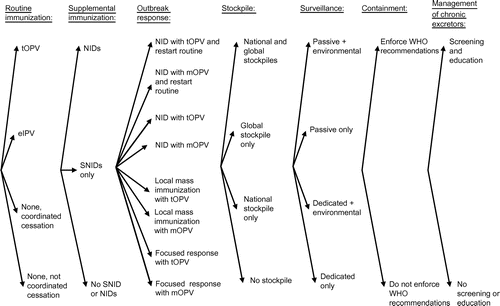
We systematically identified the decision options for the post-WPV eradication endgame using the summary decision tree shown in Figure 1. Straight permutation of all of the branches in the tree implies 6,144 permutations (i.e., combinations of decisions) to model. However, we used the trees to demonstrate that countries would consider different sets of post-WPV eradication options (e.g., 256, 96, and 768 permutations for countries using OPV, IPV, and no routine vaccination after global eradication, respectively), depending on their current vaccine use (see animated versions of Figure 1 with permutations at http://www.kidrisk.org/mainFrame/poliopub1.html). For example, countries currently using IPV would not go back to using OPV, but countries currently using OPV could pursue any of the three post-WPV eradication routine vaccination options. Recognizing this variability between countries made it clear that a single analysis that treated all countries the same would not work. Even for a global analysis, we needed to stratify the world to some degree to account for this variability; therefore, we decided to characterize the risks and costs of the relevant permutations by World Bank income level: low-, lower middle-, upper middle-, and high-income countries, which we abbreviate as LOW, LMI, UMI, and HIGH, respectively.
Achieving polio eradication requires stopping poliovirus transmission, which can occur in any given population when the fraction of individuals effectively immune to poliovirus transmission (i.e., population immunity) becomes high enough to make any circulating viruses die out. To model the dynamic interactions between virus prevalence and policy choices that affect population immunity (i.e., vaccination), we developed a dynamic disease model for poliovirus transmission using a system dynamics approach coded in MathematicaTM, which we implemented separately in VensimTM to provide a tool that would allow the collaborators to explore different options. The differential equation-based transmission model allowed us to capture the complexity of different types of immunity and the potential for reinfection (Duintjer Tebbens et al. 2005). The model included five immunity states, with individuals in four of these states entering an associated latent state followed by an active infection state if exposed (i.e., 12 states), and the remaining immunity state including all individuals who had recovered from recent infection (i.e., the 13th state). We further stratified by 25 age groups for a total of 325 stocks (i.e., 13 × 25 state variables), which we used to simulate all types of live poliovirus infections and the impact of immunization on immunity. We numerically solved the set of nonlinear ordinary differential equations in Mathematica using numerical integration to generate estimates of paralytic cases, which could occur as a function of time and the policy permutation. We assessed the performance of the model by simulating various historical outbreaks, which facilitated discussions with subject-matter experts and increased confidence in the model development process among the collaborators and stakeholders. Building on this work, our more recent expansions of the model include more complexity to address emerging policy decisions and account for evolving knowledge, and further assessment of model performance by verifying that the model behaves consistently with the evidence available on outbreaks and poliovirus immunity and transmission (Duintjer Tebbens et al. 2013).
We estimated the post-WPV eradication risks of poliovirus outbreaks associated with the current and potential future use of OPV and the possibilities of reintroduction of the poliovirus based on review of the available evidence (Duintjer Tebbens et al. 2006b). We characterized the probability of outbreaks associated with the risks using 86 Poisson rates per 100 million people over time for different policy permutations, income levels, and starting points of population immunity (for animations of permutations for countries of the four income levels, see links at the bottom of http://www.kidrisk.org/mainFrame/poliopub5.html). We characterized the uncertainty about the risks using probability distributions for inputs to the time-varying Poisson rate functions (Duintjer Tebbens et al. 2008) to reflect a wide range of assumptions. Similarly, we characterized the uncertain costs for 23 policy and income-level permutations for post-WPV eradication using 47 probability distributions for individual cost inputs (Duintjer Tebbens et al. 2006a). We also collected cost data from the Global Polio Laboratory Network, which represents the most comprehensive and largest global laboratory surveillance system currently in place, and used a value of information framework to put these costs in context (de Gourville et al. 2006).
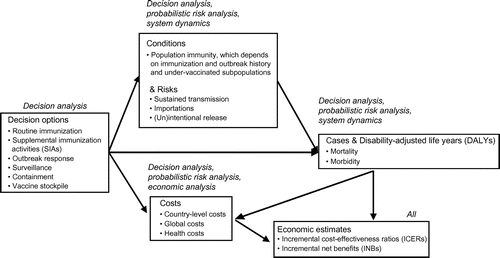
Figure 2 highlights the different types of OR/MS tools that we used for the various components. Decision analysis tools used included decision trees, influence diagrams, and value of information analysis. The probabilistic risk analysis tools used included statistical analysis of data, probability modeling, Monte Carlo simulation, uncertainty analysis, and sensitivity analyses. The system dynamics tools used included differential equation-based modeling of the system of stocks, flows, and dynamic feedback. Economic analysis tools included cost estimation, valuation, cost-effectiveness analysis, benefit-cost analysis, and basic game theory. For more technical publication and discussions, we used the more detailed influence diagram in Figure 3.
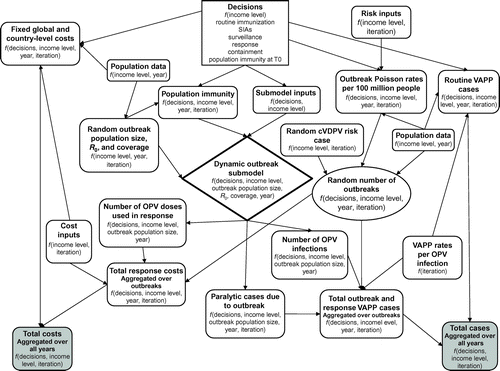
For the overall integrated post-WPV eradication analysis, we performed 10,000 stochastic iterations of the polio vaccine policy options for each income level to obtain distributions of total financial costs and total paralytic cases, which we used to identify the optimal options for the different metrics; we also considered various valuation assumptions. We characterized each stochastic iteration using one set of uniform random draws to ensure that each policy permutation would draw from the same values for uncertainty distributions and random events. Thus, for any stochastic iteration, we first obtained random realizations for the cost and risk inputs by evaluating the associated inverse probability distributions. We then obtained realizations of outbreak occurrences over time for each stochastic iteration. After randomly drawing outbreak population sizes for each outbreak based on projected national populations, we estimated the number of paralytic polio cases and number of doses used for response for each outbreak using the dynamic disease model. For computational efficiency (i.e., to avoid running the same outbreak multiple times), we characterized the space of outbreaks that could occur at different times and for different policy and income-level permutations. Finally, we integrated all the pieces to estimate the expected costs and cases and the two summary metrics (i.e., ICERs and INBs) associated with the vaccine policy options.
By providing both analytical structure and a synthesis of the existing evidence, we could effectively engage a wide range of stakeholders with diverse perspectives and values, and help them visualize and quantify the expected impacts of their options, which encouraged effective dialogue and shared understanding of critical issues and uncertainties. We used similar approaches and models to perform other integrated economic analyses to characterize the health and economic outcomes of historical U.S. investments in polio control and elimination efforts (Thompson and Duintjer Tebbens 2006), control versus eradication alternatives (Thompson and Duintjer Tebbens 2007), and the net benefits of the GPEI (Duintjer Tebbens et al. 2011).
Insights and Impacts
Throughout more than a decade of collaboration, the iterative process we followed and our application of OR/MS tools provided significant insights and impacts, which we organize into three themes.
Theme 1: Optimizing Programmatic Performance and Demonstrating That Speed Trumps Coverage for an Outbreak
Recognizing the risks of outbreaks after eradication and the need for preparedness, our discussions with the GPEI leaders about the model and outbreak response for post-WPV eradication led them to ask the question: how should countries respond to outbreaks now? To address this question, we simulated hypothetical prospective outbreaks to show how responding earlier impacts the epidemiological curve (see Figure 4(a)) (Thompson et al. 2006a). We also simulated and analyzed approximately 18,000 combinations of response scenarios and policy permutations to create surface plots (see Figure 4(b)) of the estimated expected cases as a function of two key inputs identified in our statistical analyses: the time delay between detecting the outbreak and starting the outbreak response immunization (y-axis) and the vaccine coverage of the first campaign round (x-axis). These results demonstrated that faster outbreak response would yield fewer estimated cases (Thompson et al. 2006a) even with reduced coverage for the first round (i.e., speed trumps coverage).
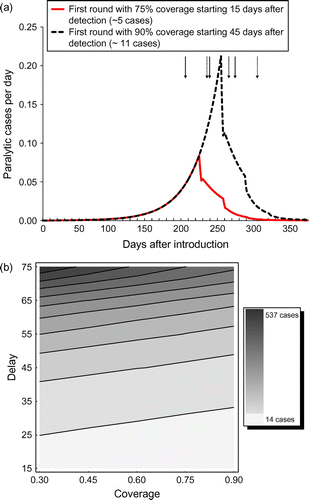
We presented the preliminary insight that speed trumps coverage at the beginning of outbreak response at a polio eradication technical advisory committee meeting (World Health Organization 2005) with the simple message that “faster response is better.” The polio partners immediately appreciated the insights and acted on the message. Reflecting on the experience, Dr. Bruce Aylward, WHO Assistant Director General and long-time leader of the GPEI, recently stated: “Seeing and understanding the trade-offs between speed and vaccination coverage for the first round of a polio outbreak response really shifted our way of thinking at the global level and eventually translated into real changes right down to the field level across this entire global program, which was operating in over 72 countries around the world. We focused, as a result of this analytic work, on working with our partners to find ways to ensure that we could more rapidly mobilize resources and respond faster. As a result of this analytic work, we had to change our global polio outbreak response policies and we had to challenge our teams in the field and in the lab to look for opportunities to really reduce the time delays in the system so that we were operating much, much faster … Most indicative of the depth of the impact of this new understanding on our work is that it underpinned a World Health Assembly resolution … agreed by over 192 ministers of health ….” (referring to World Health Assembly 2006) “to issue internationally-agreed guidelines for polio outbreak response by which countries would be bound and operate going forward” (Aylward 2014).
In 2010, the WHO highlighted the significant progress made by the Global Polio Laboratory Network: “Since 2006, new laboratory procedures have reduced the time needed to confirm polio by 50 percent (from 42 days to 21 days)” (World Health Organization 2010a). These efforts significantly reduced the magnitude of subsequent outbreaks, prevented cases of paralysis by getting more people immunized before the WPV could infect them, and saved costs by preventing further spread and exportation to other areas that would have triggered additional response campaigns. Our modeling results also emphasized the need for a readily available stockpile of vaccine to support outbreak response activities. This recognition and our quantification of risks helped the GPEI partners prepare a successful investment case for the GAVI Alliance to fund the creation of a global poliovirus vaccine stockpile in 2006 (GAVI Alliance 2014).
Our analysis of managing outbreaks also led us to demonstrate the important opportunity of preventing the outbreaks from occurring by managing population immunity (Thompson et al. 2013a). We use an expanded dynamic disease model (Duintjer Tebbens et al. 2013) to support the analysis of pre-eradication and transition policies to focus on encouraging a global shift toward better management of population immunity, because the exportation of polioviruses into previously polio-free countries continues to lead to outbreaks that occur when a country does not maintain sufficiently high immunity to prevent transmission. Between 2001 and 2013, 50 countries experienced re-importations that led to outbreaks (Thompson et al. 2013b). Our work supports concerted efforts initiated in 2010 to anticipate the risks of outbreaks in various locations and balance the resources available by addressing the population immunity gaps, and a GPEI policy, which started in late 2011, of responding to new outbreaks by vaccinating individuals in broader target age groups (Duintjer Tebbens et al. 2014). The modeling process contributes significantly to the collective understanding of the dynamics of poliovirus transmission and population immunity and the impacts of different options to manage population immunity. As we identify critical sources of uncertainty, the GPEI partners invest in studies to improve the quality of the evidence, and this leads to iteration, expansion, further development of the living-model platform, and better information to support complex decisions.
Theme 2: Visualization of Possible Futures and the Need for Coordinated Global OPV Cessation
Although many stakeholders qualitatively appreciate the various risks they face, quantifying these risks and the associated uncertainties allows them to understand their potential impacts. To demonstrate the overall implications of potential outbreak risks over time, we used Monte Carlo simulation of the 20-year period after WPV eradication for each income group and policy permutation to characterize the expected numbers of outbreaks resulting from cVDPVs or WPV containment failure. Although we communicated significant uncertainties, we demonstrated that cVDPVs represent the most significant risk immediately after WPV eradication and that the risks rapidly decrease after OPV cessation (assuming effective coordination and outbreak response). The risks of intentional or unintentional reintroduction (e.g., from a vaccine producer or laboratory) and potential reintroduction from chronic excretion of vaccine-derived polioviruses from individuals with immunodeficiencies (iVDPVs) would require long-term management and additional strategies. Figures 5(a) and 5(b) show one realization of the stochastic simulation of the expected number of outbreaks each year for 20 years aggregated for the three lowest income groups (i.e., LOW, LMI, and UMI) for two policies: (1) continued OPV use after WPV eradication, but without any SIAs to maintain high population immunity, and (2) coordinated global cessation of OPV use after WPV eradication (except for OPV use in aggressive outbreak response).

We cannot predict which realization of the model might best represent the uncertain future; however, our risk analysis showed the reality of nonzero risks of outbreaks after WPV eradication, and that continued use of OPV without SIAs after WPV eradication would represent the riskiest option with the highest expected number of outbreaks (i.e., Figure 5(a) shows more outbreaks than Figure 5(b)).
Recognizing that some countries might consider starting to prematurely back off on their OPV use, we extended our insights using a game-theoretic approach to demonstrate the critical importance of globally coordinating OPV cessation. We considered the actions of two bordering countries, and demonstrated the need to minimize exportations of live polioviruses across borders and to create a vaccine stockpile to support post-WPV eradication outbreak response (Thompson and Duintjer Tebbens 2008a). Specifically, if one country (country A) decides to stop using OPV prior to its neighbor (country B), which will lead country A to accumulate susceptible individuals over time, then any OPV from country (B) (i.e., the neighbor) that comes across the border could potentially begin to circulate and ultimately cause a cVDPV outbreak in country A; that risk will increase with time. Consequently, in the absence of coordination, the incentives would lead all countries to continue using OPV, leading to a never-ending burden of VAPP and cVDPVs, whereas globally coordinated OPV cessation provides the optimal way to minimize the expected future cases (Thompson and Duintjer Tebbens 2008a). We also demonstrated how a linear programming approach might help to optimize the supply chain involved in the creation and maintenance of a post-WPV eradication vaccine stockpile (Duintjer Tebbens et al. 2010).
The quantitative estimates of cVDPV risks that we presented helped to build a shared understanding among the GPEI partners about the importance of the expected risks posed by cVDPVs. As noted by Dr. Bruce Aylward: “Seeing these risks quantified for the first time supported our efforts to use evidence-based planning for managing these cVDPV risks going forward. It was particularly important in making the case, globally, for eventually coordinating the cessation of the use of the oral polio vaccine, which would require getting consensus and coordination across 140 countries around the world. This work was fundamental to help building the evidence base that people would agree to coordinate and synchronize such a massive activity. These concepts represented a huge strategy shift from the original vision of the world’s leaders who had not foreseen the challenges we’d have and the need to manage these risks with the same rigor that we’re bringing to the eradication of the wild virus itself” (Aylward 2014). This work supported a 2008 global resolution to coordinate OPV cessation after the eradication of WPVs (World Health Assembly 2008).
Our efforts supported GPEI discussions and recognition by an Institute of Medicine committee of the importance of research and development of potential antiviral compounds (National Research Council 2006). The Bill & Melinda Gates Foundation subsequently invested more than $30 million to support research and development of polio antiviral compounds, which may result in a compound to end the excretion of iVDPVs, and thus reduce the risk of poliovirus reintroduction after WPV eradication (McKinlay et al. 2014). Our efforts to quantify the uncertain iVDPV risks also motivated studies (McKinlay et al. 2014) to reduce some of the associated uncertainties. More recently, we also provided critical information for the partners related to managing cVDPV risks in the transition from the interruption of WPV transmission to OPV cessation and beyond (e.g., Thompson and Duintjer Tebbens 2014, Duintjer Tebbens and Thompson 2014).
Theme 3: Quantification of the Health and Economic Trade-Offs and Benefits of Finishing the Job
Table 1 provides an overview of the four analyses that we performed to date using multiple, integrated OR/MS tools to estimate expected health and economic outcomes associated with various policy decisions, both probabilistically and dynamically.
|

| Key qualitative insights (reference) | Key quantitative results | Main impact on GPEI partners |
|---|---|---|
| Thompson and Duintjer Tebbens 2006 | ||
|
|
|
| Thompson et al. 2008 | ||
|
|
|
| Thompson and Duintjer Tebbens 2007 | ||
|
|
|
| Duintjer Tebbens et al. 2011 | ||
|
|
|
Note. DALY, disability-adjusted life years; GNI, average annual per-capita gross national income; GPEI, Global Polio Eradication Initiative; ICER, incremental cost-effectiveness ratio; INB, incremental net benefits; IPV, inactivated poliovirus vaccine; OPV, oral poliovirus vaccine; RI, routine immunization; SIAs, supplemental immunization activities; US, United States of America; WPV, wild poliovirus.
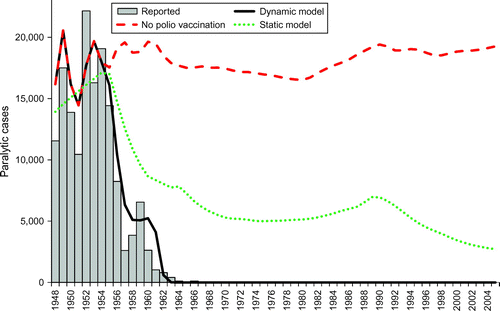
In our first integrated analysis, we quantified the health and economic benefits of the past, present, and expected U.S. investments in national polio control and elimination efforts (Thompson and Duintjer Tebbens 2006). The solid line in Figure 6 shows our estimates of the numbers of cases that occurred, which are associated with the actual path the United States took; these cases compare well to the reported cases shown in the gray bars. We also used the model to show the expected cases that would have occurred without polio control and elimination; see the long dashes in Figure 6. The difference between the long dashes and the gray bars represents the human health benefits of our investments. We also demonstrated the misleading and significant underestimation of the benefits that would come from using a static model, as shown by the short dashes, which only account for direct protection of vaccine recipients and ignore the impact of their vaccination on others. We found that the U.S. investments in polio control and elimination were cost- and life-saving, and we estimated incremental net benefits of over $180 billion in 2002 U.S. dollars (i.e., US$2002), which helped to strengthen U.S. support for both domestic and global investments. Methodologically, this work represented the first demonstration for a real and significant public health decision of the importance of using a dynamic disease model to correctly estimate health economic metrics, as Edmunds et al. (1999) discuss for a hypothetical example.
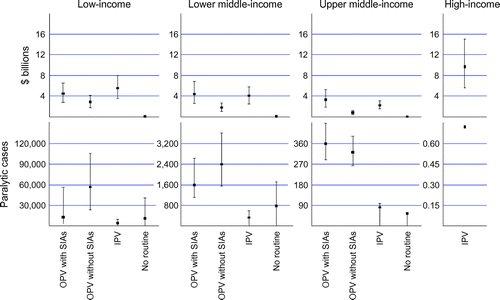
Our second integrated analysis quantified the trade-offs between costs and cases for the various post-WPV eradication policy options (Thompson et al. 2008). As Figure 7 shows, we reported expected values and 5th and 95th percentiles of costs and cases aggregated over 20 years and discounted at a three percent rate, which showed that after successful eradication, globally coordinated OPV cessation represented the best policy option, with or without IPV. IPV offered the lowest expected number of cases, but the highest costs, and we highlighted the need to reduce the costs of IPV to make it a more cost-effective option in the future. This analysis suggested that continued OPV use after eradication did not represent a good economic option. We further documented the full simulation methods, probability distributions of outputs, and sensitivity analyses (e.g., regression plots, product moment correlations, rank correlations, and correlation ratios) (Duintjer Tebbens et al. 2008).
In 2006, as we were working on the post-WPV eradication analysis, some stakeholders began questioning whether we could stop polio in very difficult places like northern India, and whether continued investment in polio eradication made sense. This led the first two authors to perform the third integrated analysis that explored three issues related to control versus eradication (Thompson and Duintjer Tebbens 2007). Given the GPEI and its efforts up to that time, we assumed that countries would most likely continue high levels of control, but they could opt to do less.
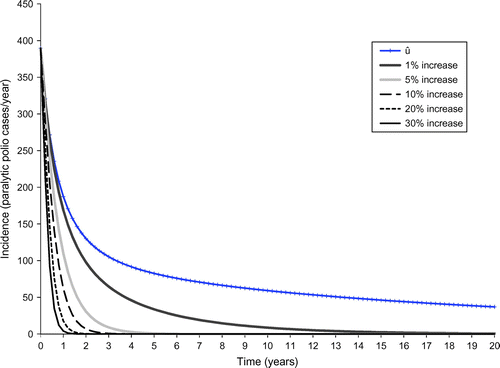
The first part of our analysis of control versus eradication (Thompson and Duintjer Tebbens 2007) simulated the situation in northern India and explored the dynamics of stopping WPV circulation as a function of immunization intensity (see Figure 8). Specifically, we showed that if India increased its coverage to only the threshold level required to eventually stop polio transmission (see the top curve in Figure 7), then it would take a very long time; however, with increasing amounts of intensification of immunization, transmission stops more quickly. Our results showed that India could stop polio, and that failure or success, and the time it would take to succeed, depended on the intensity of immunization efforts. The Government of India significantly intensified its immunization efforts in 2007, and reported its last indigenous polio case in January 2011. In March 2014, the WHO certified the Southeast Asia Region as the fourth of six regions to become free of WPVs (World Health Organization 2014).
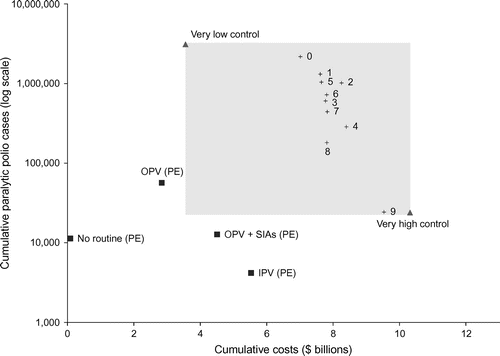
In the context of the high-profile suggestions that the GPEI should abandon eradication and switch to control, the second part of our analysis of control versus eradication characterized the expected costs and cases associated with the various control options for all low-income countries over a period of 20 years (Thompson and Duintjer Tebbens 2007), using the same simulation approach that we used for the post-WPV eradication model (Thompson et al. 2008). The results of this analysis demonstrated that control implied high cases and low costs or low cases and high costs (see the upper right part of Figure 9 in the gray box), but not low cases and low costs. We compared these to the post-WPV eradication results (see Figure 9 using squares), which demonstrated that eradication represents the better option.
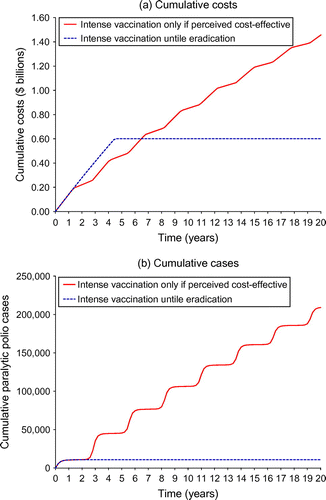
In the third part of our analysis of control versus eradication, we extended our system dynamics model to simulate a wavering commitment by adding a negative feedback loop with a first-order time delay between reaching a certain cost-per-case threshold and the resulting change in immunization intensity (Thompson and Duintjer Tebbens 2007). Using this model, we showed that reducing immunization intensity as we approached (but had not yet achieved) success led to a resurgence of cases after a time delay, which we modeled as then motivating renewed intensity of efforts to get the situation back under control. Figures 10(a) and 10(b) show the oscillations that lead to greater accumulation of costs and cases over a 20-year period for a wavering commitment than for an eradication policy of pursuing intensive efforts until sometime after success. We later extended our insights related to wavering commitments by modeling the potential impacts of shifting priorities in a discrete stochastic model of two infectious diseases (Duintjer Tebbens and Thompson 2009). We also urged the polio partners to see polio eradication as a major project in need of stable financing (Thompson and Duintjer Tebbens 2008b).
Our analysis of the health and economic outcomes associated with control versus eradication (Thompson and Duintjer Tebbens 2007) provided critical analytical context for policy makers. As discussions about control emerged as a proposed alternative to eradication, we helped policy makers frame the choice and address the benefits and consequences of each alternative. In February 2007, the WHO Director General, Dr. Margaret Chan, called for an urgent stakeholder consultation. At the consultation, Dr. Chan told the partners that their “commitment must not waver” (Chan 2007) and told attendees that they would be “seeing today new data that show why, over a 20-year period, every proposed option for controlling polio will cost more, in human suffering and dollars, than finishing eradication. In other words, getting the job done is your best buy” (Chan 2007). The analysis and discussion provided compelling insights for stakeholders’ commitment to polio eradication (Roberts 2007, World Health Organization 2007) and energized the GPEI and its partners (McKenna 2008). Reflecting on the importance of this work, Dr. Bruce Aylward stated: “The estimates that were generated in terms of both the human and financial costs of control of polio, as compared to eradication of the disease, laid to rest any doubts about the benefits of eradicating this virus. These results became fundamental to the case for completing polio eradication and also it’s been fundamentally important in bringing in new partners to this program” (Aylward 2014).
Finally, we performed a fourth integrated analysis that characterized the expected costs and cases with and without the GPEI considering all of its past and expected future efforts (Duintjer Tebbens et al. 2011). This analysis estimated incremental net benefits of $40–50 billion (US$2010) for the GPEI between 1988 and 2035, compared to a policy that relies only on routine immunization for the countries that benefitted directly from the GPEI. We further explored the benefits of the Vitamin A delivered to these countries during polio SIAs and showed that this positive externality implied an additional $17–90 billion benefit. In a press release related to this analysis, Dr. Tachi Yamada, then president of the Bill & Melinda Gates Foundation’s Global Health Programs stated: “This study presents a clear case for fully and immediately funding global polio eradication, and ensuring that children everywhere, rich and poor, are protected from this devastating disease” (World Health Organization 2010b). In 2011, Bill and Melinda Gates made polio eradication the highest priority for their foundation (Gates 2011). Dr. Carol Pandak, Director of PolioPlus for Rotary International, stated: “We regularly use the $40–50 billion estimate of net benefits of the GPEI as we raise funds to finish polio eradication both within and outside of Rotary. The modeling work made a compelling case for stable and sustained funding, and this helped all of us as we plan ahead” (Pandak 2014). The partners used our results to make the economic case for completing polio eradication (World Health Organization 2013), which the Bill & Melinda Gates Foundation shared with attendees when it hosted a Vaccine Summit in April 2013 in Abu Dhabi; this summit raised $4 billion to support the GPEI for 2013–2018, with broad celebration from the partners (Rotary International 2013).
The Road Ahead
Recognizing the iterative nature of the choices that could emerge and the learning that would occur, the CDC and Kid Risk, Inc. committed throughout the process to giving the time required to build and support a living model that would expand and evolve as the policy questions, information, and opportunities changed (Thompson et al. 2006b). This commitment translated into significant investments of time and resources by the collaborators to effectively bridge disciplines and create a process that continues to facilitate learning and teamwork. Some of the messages appeared obvious after we demonstrated them; however, others required some thought, because to some they appeared counterintuitive. Our use of OR/MS methods contrasted with the results of traditional epidemiological analyses, which provided inferences about the past, but did not support good extrapolation into the future.
The CDC and the GPEI partners continue to use the findings and insights from our collaboration to progressively bring structure and important insights to stakeholder discussions about eradication strategies and managing the endgame. The models, with evolving complexity, allow the partners to address major challenges facing the GPEI, and they help the GPEI save both lives and money. Our continued effectiveness depends largely on our active participation in discussions, such that we can understand the real issues and all of their complexities, and making the model as simple as possible, but not overly simple. Engaging directly and listening carefully allows us to understand and anticipate key questions so that we can perform analyses that support decision makers. Our recent efforts relate to demonstrating the dynamics of coordinated OPV cessation by serotype (i.e., stopping serotype 2 first, and then later the other two serotypes), understanding the potential role of IPV, and emphasizing the importance of managing population immunity (Thompson and Duintjer Tebbens 2014; Duintjer Tebbens and Thompson 2014; Kalkowska et al. 2014a, b; Thompson 2014).
In the context of the GPEI, the collaborators play an important role by continuously framing the critical questions in ways that focus the global program on consistent improvement as it adjusts to changing circumstances and incorporates new information. Overall, our use of integrated OR/MS tools to support global polio eradication policy represents an important part of the GPEI legacy (Thompson 2013), and we contributed to creating a future in which children who otherwise would have been paralyzed by polio will run, jump, play, and enjoy healthy and productive lives; we also see many extension opportunities.
We hope that this work will serve as an example that will encourage greater use of OR/MS tools in global health (Royston 2011), and we recently initiated efforts to extend this approach to measles and rubella. More broadly, our use of integrated OR/MS tools enables us to focus on the fundamental questions: what future do we want and what will it take to get there? Following the eradication of smallpox, one of the leaders of the effort, Dr. D.A. Henderson, reportedly responded that the “next disease that needs to be eradicated is bad management” (Hopkins 1989, p. 134). Throughout the process of our collaboration, we appreciated the opportunities to use analytical models to support more informed and better choices, which can enable global efforts to obtain audacious goals. The World Health Assembly recently supported a global vaccine action plan (GVAP) that aspires to create “a world in which all individuals and communities enjoy lives free from vaccine-preventable diseases. Its mission is to extend, by 2020 and beyond, the full benefits of immunization to all people, regardless of where they are born, who they are, or where they live” (Decade of Vaccines Collaboration 2013). In addition to successful polio eradication, the GVAP also expects the achievement of all of the existing regional goals for measles elimination.
In general, our approach and methodology extend much more broadly to other diseases and other topics and industries, and we foresee increased integration of probabilistic and dynamic modeling efforts to tackle complex problems. Unlike problem sets used in OR/MS training aimed at teaching proper use of tools, real global health data are messy, incomplete, and difficult to obtain. We frequently find it important to perform preliminary analyses based on the best available data and then use discussion of the preliminary results with stakeholders as an opportunity to make the case for obtaining better information. Iterative discussions and engagement of subject-matter experts increase our ability to better understand and translate the available evidence. Particularly for health interventions, data collection often occurs in the context of research efforts, and analysts need to collaborate with the researchers who own the data. Ultimately, analytical models created using OR/MS tools can help us see the possibilities of a world free of devastating diseases and other preferred futures, and they allow us to appreciate and communicate the risks, costs, and benefits of strategies we might use to create a better future.
We thank Dr. Bruce Aylward for providing the video recorded quotes about the impacts of our work, which we used in the Edelman Award presentations, and Drs. Aylward, Carol Pandak, and Walter Orenstein for providing stakeholder perspectives in discussions with the Edelman judges. We thank Katerina Alves, Sona Bari, Thomas Bell, Christopher Black, Ivana Boko, Lee Bookman, Louis Boviero, James Cosgrove, Christine Fares, Christine Feig, Jean-Marc Glinz, Brian Hirten, Alan Janssen, Todd Jordan, Sarah Poser, Oliver Rosenbauer, Bryon Skinner, and Jeanette St. Pierre for their help with preparing the audiovisual materials for our presentation, and the GPEI partners for the images used. We thank Sid Hess, Pelin Pekgun, Carrie Beam, and all of the Edelman judges and editors for providing comments. The first two authors acknowledge support for this article from CDC Cooperative Agreement [U66 IP000169]. The collaborative work described in this piece includes research performed with financial support for Kid Risk, Inc. and research in the form of grants and contracts from the U.S. Centers for Disease Control and Prevention (CDC) [Grants U50/CCU300860, U01 IP000029, NVPO N37 (FY2005) 200-2010-M-33379, 200-2010-M-33679, 200-2010-M-35172, and U66 IP000169]; the World Health Organization (WHO) [APW200179134]; the Bill & Melinda Gates Foundation [4533-17492, 4533-18487, 4533-21031, 4533-23446]; and unrestricted gifts to the Harvard Kids Risk Project. Finally, we thank collaborators from Kid Risk, Inc., including Dominika Kalkowska, Jong-Hoon Kim, and Kasper Kisjes; from CDC, including James Alexander, Lorraine Alexander, Larry Anderson, Gregory Armstrong, Albert Barskey, Carla Boudreau, Brenton Burkholder, Cara Burns, Victor Cáceres, Jason Cecil, Susan Chu, Paul Chenoweth, Kathleen Gallagher, Howard Gary, John Glasser, Steve Hadler, Karen Hennessey, Hamid Jafari, Julie Jenks, Denise Johnson, Bob Keegan, Olen Kew, Nino Khetsuriani, Robb Linkins, Benjamin Lopman, Naile Malakmadze, Rebecca Martin, Eric Mast, Steve McLaughlin, Steve Oberste, Patrick O’Connor, Becky Prevots, Hardeep Sandhu, Nalinee Sangrujee, Anne Schuchat, Jean Smith, Philip Smith, Peter Strebel, Linda Venczel, Gregory Wallace, Margie Watkins, and Bruce Weniger; and from the WHO, including (in addition to those mentioned previously) Fred Caillette, Claire Chauvin, Philippe Duclos, Esther de Gourville, Hans Everts, Marta Gacic-Dobo, Tracey Goodman, Ulla Griffiths, David Heymann, Scott Lambert, Asta Lim, Jennifer Linkins, Patrick Lydon, Chris Maher, Linda Muller, Roland Sutter, Rudi Tangermann, Chris Wolff, and David Wood. We also thank the Global Polio Laboratory Network, Harrie van der Avoort, Francois Bompart, Anthony Burton, Konstantin Chumakov, Laurent Coudeville, Walter Dowdle, Paul Fine, Michael Galway, Shanelle Hall, Neal Halsey, Tapani Hovi, Kun Hu, Jacob John, Samuel Katz, Tracy Lieu, Marc Lipsitch, Anton van Loon, Apoorva Mallya, Elizabeth Miller, Phil Minor, John Modlin, Van Hung Nguyen, Peter Patriarca, Christina Pedreira, Stanley Plotkin, Hazhir Rahmandad, Robert Scott, John Sever, Thomas Sorensen, John Sterman, Robert Weibel, Jay Wenger, and Peter Wright.
References
- (2014) Quote provided via personal communication with the authors, March 10.Google Scholar
- (2007) Urgent stakeholder consultation on interrupting wild poliovirus transmission. Accessed January 4, 2014, http://www.who.int/dg/speeches/2007/280207_polio/en/.Google Scholar
Decade of Vaccines Collaboration (2013) Global vaccines action plan 2011–2020. Accessed January 4, 2014, http://issuu.com/decadeofvaccines/docs/globalvaccineactionplan/1?e=7336822/1584382.Google Scholar- (2006) Global surveillance and the value of information: The case of the global polio laboratory network. Risk Anal. 26(6):1557–1569.Crossref, Google Scholar
- (2009) Priority shifting and the dynamics of managing eradicable infectious diseases. Management Sci. 55(4):650–663.Link, Google Scholar
- (2014) Modeling the potential role of inactivated poliovirus vaccine to manage the risks of oral poliovirus vaccine cessation. J. Infectious Diseases 210(S1):S485–S497.Crossref, Google Scholar
- (2006a) The costs of future polio risk management policies. Risk Anal. 26(6): 1507–1531.Crossref, Google Scholar
- (2010) Optimal vaccine stockpile design for an eradicated disease: Application to polio. Vaccine 28(26):4312–4327.Crossref, Google Scholar
- (2014) The potential impact of expanding target age groups for polio immunization campaigns. BMC Infectious Diseases 14:45.Crossref, Google Scholar
- (2013) Characterizing poliovirus transmission and evolution: Insights from modeling experiences with polioviruses. Risk Anal. 33(4):703–749.Crossref, Google Scholar
- (2005) A dynamic model of poliomyelitis outbreaks: Learning from the past to help inform the future. Amer. J. Epidemiology 162(4):358–372.Crossref, Google Scholar
- (2011) Economic analysis of the global polio eradication initiative. Vaccine 29(2):334–343.Crossref, Google Scholar
- (2006b) Risks of paralytic disease due to wild or vaccine-derived poliovirus after eradication. Risk Anal. 26(6):1471–1505.Crossref, Google Scholar
- (2008) Uncertainty and sensitivity analyses of a decision analytic model for post-eradication polio risk management. Risk Anal. 28(4):855–876.Google Scholar
- (1999) Evaluating the cost-effectiveness of vaccination programmes: A dynamic perspective. Statist. Medicine 18(23):3263–82.Crossref, Google Scholar
- (2011) Annual letter 2011. Accessed January 4, 2014, http://www.gatesfoundation.org/who-we-are/resources-and-media/annual-letters-list/annual-letter-2011.Google Scholar
GAVI Alliance (2014) International Finance Facility for Immunisation (IFFIm) Polio eradication campaign: IFFIm helps lead the fight to eradicate polio. Accessed January 4, 2014, http://www.iffim.org/funding-gavi/results/polio-eradication-campaign/.Google Scholar- (1989) The Eradication of Smallpox: Organizational Learning and Innovation in International Health (Westview Press, Boulder, CO).Google Scholar
- (2014a) Modeling strategies to increase population immunity and prevent poliovirus transmission in two high-risk areas in northern India. J. Infectious Diseases 210(S1):S398–S411.Crossref, Google Scholar
- (2014b) Modeling strategies to increase population immunity and prevent poliovirus transmission in the high-risk area of northwest Nigeria. J. Infectious Diseases 210(S1):S412–S423.Crossref, Google Scholar
- (2002) Outbreak of poliomyelitis in Hispaniola associated with circulating type 1 vaccine-derived poliovirus. Science 296(5566):356–359.Crossref, Google Scholar
- (2008) Coalition declares “final push” to end polio. Accessed January 4, 2014, http://www.cidrap.umn.edu/cidrap/content/other/news/jun1808polio.html.Google Scholar
- (2014) Progress in the development of poliovirus antiviral agents and their essential role in reducing risks that threaten eradication. J. Infectious Diseases 210(S1):S447–S453.Crossref, Google Scholar
National Research Council (2006) Exploring the Role of antiviral drugs in the eradication of polio. Report, The National Academies Press, Washington, DC.Google Scholar- (2005) Polio: An American Story (Oxford University Press, Oxford, UK).Google Scholar
- (2014) Quote provided via personal communication with the authors, February 17.Google Scholar
- (2007) Polio: No cheap way out. Science 316(5823): 362–363.Crossref, Google Scholar
Rotary International (2013) Global vaccine summit yields US$4 billion in funding commitments to polio endgame plan. Accessed January 4, 2014, http://www.rotary.org/en/global-vaccine-summit-yields-us4-billion-funding-commitments-polio-endgame-plan.Google Scholar- (2011) Meeting global health challenges through operational research and management science. Bull. World Health Organ. 89(9):683–688.Crossref, Google Scholar
- (2003) Policy decision options during the first 5 years following certification of polio eradication. Accessed January 4, 2014, http://www.medscape.com/viewarticle/464841_3.Google Scholar
- (2013) Modeling poliovirus risks and the legacy of polio eradication. Risk Anal. 33(4):505–515.Crossref, Google Scholar
- (2014) Polio endgame management: Focusing on performance with or without inactivated poliovirus vaccine. Lancet 384(9953):1480–1482.Crossref, Google Scholar
- (2006) Retrospective cost-effectiveness analyses for polio vaccination in the United States. Risk Anal. 26(6):1423–1440.Crossref, Google Scholar
- (2007) Eradication versus control for poliomyelitis: An economic analysis. Lancet 369(9570): 1363–1371.Crossref, Google Scholar
- (2008a) The case for cooperation in managing and maintaining the end of poliomyelitis: Stockpile needs and coordinated OPV cessation. Accessed January 4, 2014, http://www.medscape.com/viewarticle/578396.Google Scholar
- (2008b) Using system dynamics to develop policies that matter: Global management of poliomyelitis and beyond. System Dynam. Rev. 24(4):433–449.Crossref, Google Scholar
- (2014) Modeling the dynamics of oral poliovirus vaccine cessation. J. Infectious Diseases 210(S1):S475–S484.Crossref, Google Scholar
- (2006a) Evaluation of response scenarios to potential polio outbreaks using mathematical models. Risk Anal. 26(6):1541–1556.Crossref, Google Scholar
- (2013a) Modeling population immunity to support efforts to end the transmission of live polioviruses. Risk Anal. 33(4): 647–663.Crossref, Google Scholar
- (2013b) Preeradication national vaccine policy options for poliovirus infection and disease control. Risk Anal. 33(4):516–543.Crossref, Google Scholar
- (2006b) Development and consideration of global policies for managing the future risks of poliovirus outbreaks: Insights and lessons learned through modeling. Risk Anal. 26(6):1571–1580.Crossref, Google Scholar
- (2008) The risks, costs, and benefits of future global policies for managing polioviruses. Amer. J. Public Health 98(7):1322–1330.Crossref, Google Scholar
World Health Assembly (1988) WHA41.28: Global eradication of poliomyelitis by the year 2000. Accessed January 4, 2014, http://www.who.int/ihr/polioresolution4128en.pdf.Google ScholarWorld Health Assembly (2006) WHA59.1: Eradication of poliomyelitis. Accessed January 4, 2014, http://www.polioeradication.org/Portals/0/Document/Resources/WHA59_1_Eradication_poliomyelitis.pdf.Google ScholarWorld Health Assembly (2008) WHA61.1: Poliomyelitis: Mechanism for management of potential risks to eradication. Accessed July 16, 2014, http://www.polioeradication.org/content/general/WHA61_Resolution_English.pdf.Google ScholarWorld Health Organization (2001) Transmission of wild poliovirus type 2—apparent global interruption. Weekly Epidemiological Record 76:95–97.Google ScholarWorld Health Organization (2005) Polio outbreak response: the faster, the better. Accessed January 4, 2014, http://www.polioeradication.org/content/polionews/polionews25.pdf.Google ScholarWorld Health Organization (2007) Polio global eradication initiative May 2007. Accessed January 4, 2014, http://www.polioeradication.org/Mediaroom/Monthlysituationreports/2007/May.aspx.Google ScholarWorld Health Organization (2010a) Enhancing global poliovirus surveillance and outbreak response. Accessed January 4, 2014, http://www.polioeradication.org/Portals/0/Document/Media/FactSheet/ EnhancingSurveillanceandOutbreakResponse.pdf.Google ScholarWorld Health Organization (2010b) Economic benefits of the Global Polio Eradication Initiative estimated at US$40–50. Accessed January 4, 2014, http://www.polioeradication.org/tabid/167/iid/82/Default.aspx.Google ScholarWorld Health Organization (2013) Economic case for polio eradication. Accessed January 4, 2014, http://www.polioeradication.org/Portals/0/Document/Resources/StrategyWork/EconomicCase.pdf.Google ScholarWorld Health Organization (2014) Polio-free certification: WHO South-East Asia. Accessed January 4, 2014, http://www.searo.who.int/entity/immunization/topics/polio/eradication/sea-polio-free/en/.Google Scholar
Kimberly M. Thompson is president of Kid Risk, Inc. and professor of preventive medicine and global health at the University of Central Florida, College of Medicine. She created and directed the Kids Risk Project at the Harvard School of Public Health from 2000–2009 and established Kid Risk, Inc. as a self-standing, non-profit organization in late 2008. Professor Thompson maintains long-standing interests in the issues related to managing risks for children and potential risk trade-offs associated with policies designed to protect them, and in the development and application of analytical tools used to support models that explicitly consider variability, uncertainty, and/or time.
Radboud J. Duintjer Tebbens is vice president of Kid Risk, Inc. He completed his graduate and post-doctoral research with the Harvard Kids Risk Project and held an assistant professor position in risk and decision analysis at Delft University of Technology before returning to Kid Risk, Inc. in 2010. His research focuses on integrating quantitative tools such as risk and decision analysis, system dynamics modeling, uncertainty and probabilistic sensitivity analysis, and optimization to help inform policies related to achieving and maintaining a polio-free world.
Mark A. Pallansch is director of the CDC Division of Viral Diseases. He leads nearly 200 laboratory and epidemiology scientists, laboratory technicians, data managers, and program analysts who are responsible for many aspects of domestic and global viral vaccine-preventable diseases, including laboratory support for global efforts at polio eradication. He has also collaborated to provide technical expertise and conceptual evaluation of issues for risk assessment and management, including multiple modeling approaches, and strategic planning within the polio eradication program.
Steven G.F. Wassilak is the CDC team lead for Science, Innovation and Research for the Polio Response, Emergency Operations Center. He has worked for more than 30 years as a medical epidemiologist in CDC’s domestic and international immunization programs on vaccine safety and the epidemiology and control of polio, pertussis, and other diseases. He was assigned to the WHO European Regional Office during 1996–2004 to help countries strengthen surveillance and interrupt poliovirus transmission; the Region was certified polio-free in 2002.
Stephen L. Cochi is senior advisor to the director of the CDC Global Immunization Division, which he previously directed. He has worked for 33 years in various roles in the field of immunization, including leading and directing the U.S. National Immunization Program and its international activities. From 1993–2003, he led CDC’s global immunization activities through partnerships with the Global Polio Eradication Initiative, the Measles and Rubella Initiative, the Global Alliance for Vaccines and Immunization (GAVI), and other priority global immunization activities.
This article appears in INFORMS Analytics Collections Vol. 15: 25 Years of INFORMS.
Visit this collection for free access to more articles showcasing the evolution of INFORMS over the past 25 years.